
How to Be Happy: 10 Habits for Joyful Living
10 Simple Habits for Lasting Happiness
If you find yourself constantly wondering how to be happy, you are not alone. The pursuit of joyful living is a universal human goal, yet it often feels elusive. We frequently ask ourselves, can money buy long-term satisfaction? While financial stability eases stress, psychology shows that true, lasting joy relies heavily on our daily habits and environments.
To understand genuine contentment, it helps to know the difference between hedonic and eudaimonic well-being. Hedonic well-being is about chasing fleeting pleasures, whereas eudaimonic well-being centers on finding purpose and meaning in life.
By shifting your focus toward sustainable, meaningful practices, you can transform your mindset. Here are 10 simple, actionable habits for lasting happiness.
1. Rewire Your Brain with Gratitude
Our brains are naturally wired to focus on the negative as a survival mechanism. To combat this, try integrating positive psychology exercises for daily life into your morning routine. The gratitude journaling benefits for mental health are well-documented; writing down three things you are thankful for each day effectively aids in overcoming negative thought patterns and shifts your focus from what you lack to what you have.
2. Optimize Your Brain Chemistry
You don't always need a massive life overhaul to feel better; sometimes, it’s about biology. Learning how to boost serotonin and dopamine naturally is a game-changer.
Sunlight and Exercise: A 20-minute morning walk significantly boosts your serotonin levels.
Diet: Eating protein-rich foods and getting enough sleep replenishes dopamine.
If you constantly feel overstimulated by endless scrolling and notifications, try a dopamine detox for better focus. Stepping away from digital screens for even a single weekend can reset your brain’s reward system, making simple pleasures enjoyable again.
3. Practice Mindfulness and Acceptance
Anxious thoughts often stem from dwelling on the past or dreading the future. Incorporating mindfulness meditation techniques for beginners—such as spending five minutes a day focusing solely on your breath—can anchor you in the present.
Additionally, adopting a philosophical approach can be incredibly freeing. When considering stoicism vs hedonism for inner peace, stoicism teaches us to accept what we cannot change and manage our emotional responses, which leads to much deeper tranquility than constantly chasing the next hedonic thrill.
4. Evaluate and Protect Your Environment
You cannot heal or find peace in an environment that constantly breaks you down. Many individuals search for how to be happy in an unhappy marriage, hoping that changing their own mindset will fix the relationship. However, you must assess the root cause of the unhappiness.
Are there underlying betrayals, such as emotional relationship cheating (frequently referred to simply as emotional cheating)? Is your partner just projecting fears due to stress, or are you dealing with something much darker?
If you constantly find yourself crying and asking, "why is my husband yelling at me?", it is vital to assess your safety. Recognizing the signs of narcissistic abuse is crucial. In highly toxic dynamics, victims are sometimes forced to research the difference between psychopath and sociopath just to understand their partner's lack of empathy. Whether looking at a psychopath vs sociopath—or a sociopath vs psychopath—the clinical distinctions (such as one being more calculating and the other more erratic) matter less than the severe damage they cause. Prolonged exposure to such extreme control and hostility can result in battered woman syndrome. In these scenarios, happiness requires safely exiting the situation and seeking specialized treatment for psychological abuse.
5. Nurture Healthy Boundaries
You cannot pour from an empty cup. One of the strongest indicators of mental wellness is nurturing healthy boundaries in relationships. This means learning to say "no" without guilt, protecting your personal time, and walking away from one-sided friendships. Setting boundaries isn't selfish; it is an act of self-preservation that ensures you have the energy to give to those who truly value you.
6. Cultivate Meaningful Social Connections
Humans are inherently social creatures. Research continually highlights the profound impact of social connections on longevity and mental health. Prioritize deep, meaningful relationships over a high volume of shallow acquaintances.
Schedule regular catch-ups with close friends.
Join local clubs or communities aligned with your interests.
Volunteer, which builds both community ties and a sense of purpose.
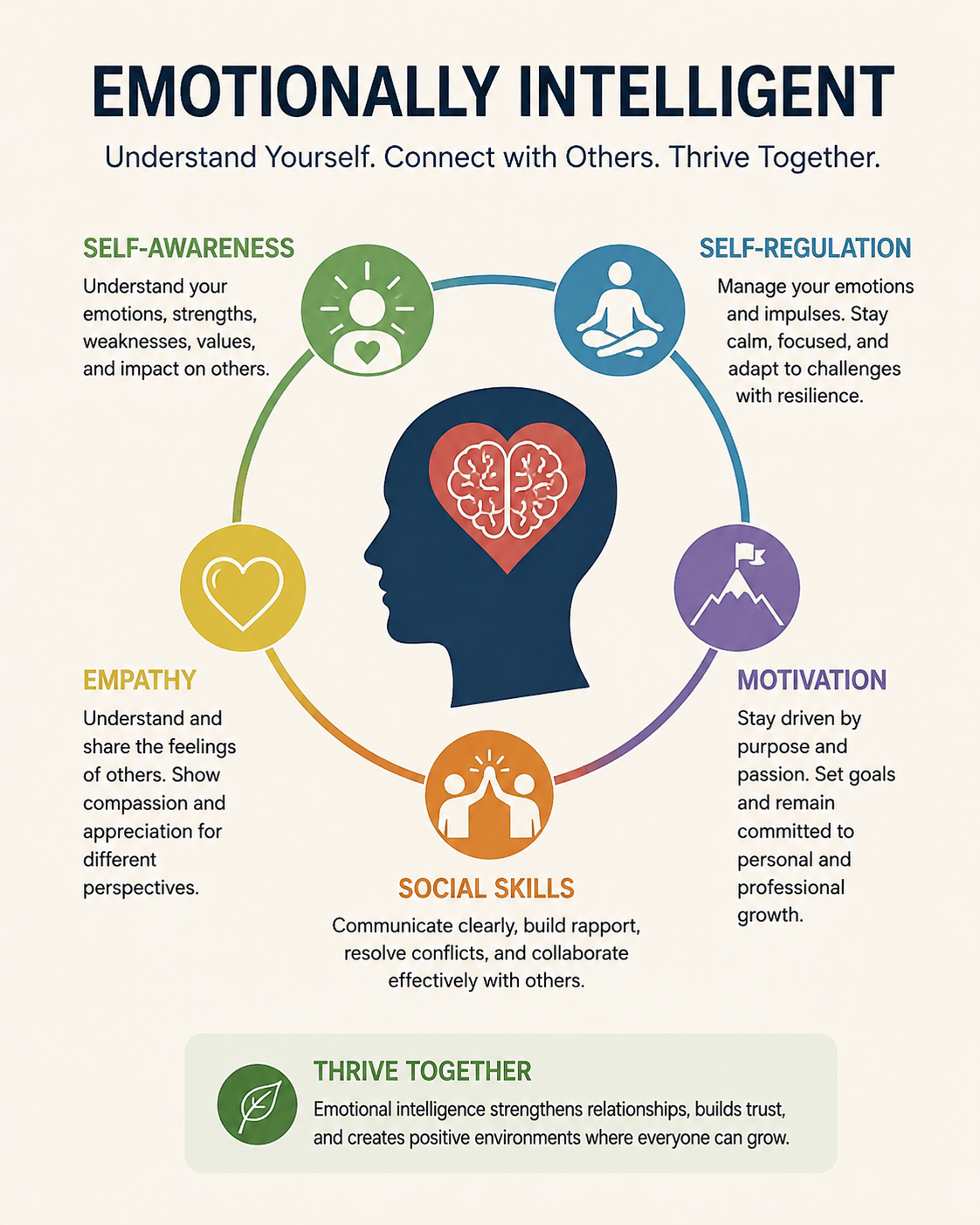
7. Build Emotional Intelligence
Understanding your own emotions and the emotions of those around you is a pillar of happiness. Learn to look for the signs of emotional intelligence and self-awareness in yourself. This involves pausing before reacting, acknowledging your emotional triggers without judgment, and actively listening to others. High emotional intelligence allows you to navigate conflicts smoothly and build stronger, more empathetic relationships.
8. Create a Grounding Routine
A chaotic schedule leads to a chaotic mind. Creating a balanced daily routine gives your day structure and predictability, which heavily reduces anxiety. Your routine does not need to be rigid. Simply having a set wake-up time, dedicated blocks for deep work, and scheduled moments for rest and meals can drastically improve your overall mood and productivity.
9. Fortify Your Resilience
Life will inevitably throw curveballs. The goal isn't to avoid hardship, but to get better at bouncing back. Building resilience against emotional burnout requires self-compassion. When you fail or face rejection, speak to yourself the way you would speak to a friend. Taking breaks, seeking therapy when needed, and prioritizing rest are foundational steps to ensuring you don't burn out when the pressure mounts.
10. Focus on Continuous Growth
Finally, embrace the idea that happiness is a byproduct of growth. Whether it's learning a new skill, reading a new book, or taking up a new hobby, challenging yourself keeps your brain engaged and your spirit young.
Final Thoughts
Learning how to be happy is not about forcing a smile every day or ignoring life's hardships. It is about intentionally building habits that foster peace, purpose, and healthy connections. By focusing on your daily routine, protecting your peace from toxic influences, and cultivating a grateful mindset, you can build a foundation for genuine, lasting joy. Start with just one or two habits today, and watch as your perspective on life slowly begins to transform.


In this comprehensive guide, we will explore the root causes of our discontent, how to navigate the heaviest burdens, and actionable ways to embrace self-improvement and emotional strength.