Narcissistic Dependency Disorder










Narcissistic Personality Disorder (NPD) is a long-term mental health condition.
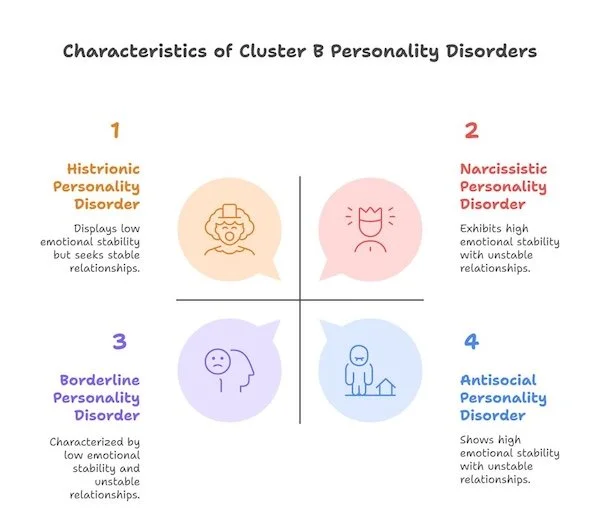
It involves lasting grandiosity, a strong need for admiration, and limited empathy for others. It is listed as a Cluster B personality disorder in the Diagnostic and Statistical Manual of Mental Disorders (DSM-5-TR).
It can cause major problems in relationships, work, and emotional well-being.
Key facts
Category: Cluster B personality disorder
Estimated prevalence: 0.5–6 % of the population
Typical onset: Late adolescence or early adulthood
Sex ratio: About 75 % of diagnosed cases are male
Primary treatment: Psychotherapy; no specific medications
Characteristics and symptoms
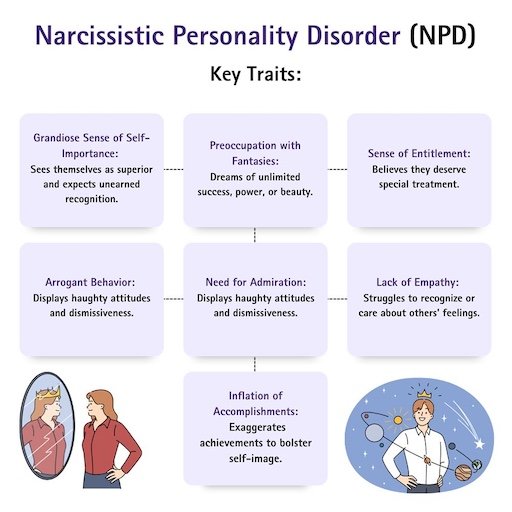
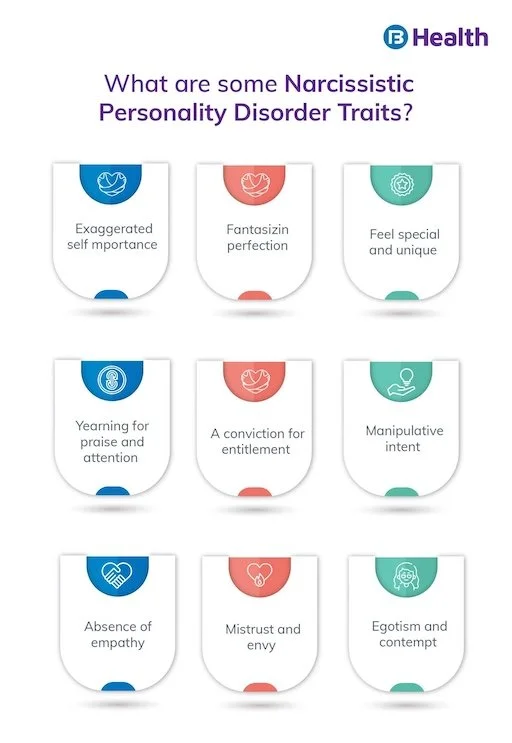
People with NPD show a pervasive pattern of self-importance and entitlement. Common features include exaggerating achievements, preoccupation with fantasies of success or beauty, believing they are “special,” and expecting admiration without equal accomplishments. They often exploit others and lack empathy. Yet they are very sensitive to criticism or defeat. They may respond with anger, shame, or withdrawal.
Causes and risk factors
The precise cause is unknown, but research suggests an interplay of genetic, psychological, and environmental influences. Risk factors include inconsistent parenting—either overindulgent or overly critical—childhood trauma or neglect, and inherited personality traits. Neurobiological studies indicate possible structural differences in brain regions tied to empathy and self-regulation .
Diagnosis
Diagnosis is clinical, based on DSM-5-TR criteria requiring at least five of nine hallmark behaviors. Mental-health professionals assess long-term personality patterns through interviews and psychological evaluations. NPD frequently co-occurs with mood, anxiety, substance-use, or other personality disorders, complicating assessment .
Treatment and management
Psychotherapy is the cornerstone of care. Approaches like psychodynamic therapy, cognitive behavioral therapy (CBT), dialectical behavioral therapy (DBT), and transference-focused psychotherapy help. They build healthier self-esteem, improve empathy, and support stable relationships. Medications may address co-existing conditions like depression or anxiety but do not treat NPD directly .
Outlook
NPD is typically long-term but can improve with sustained therapy and self-awareness. Supportive relationships and life stability enhance prognosis. Without treatment, individuals may face chronic interpersonal conflict, occupational problems, depression, and elevated suicide risk .
References Used…
Narcissistic personality disorder - Symptoms and causes - Mayo Clinic
NARCISSISTIC PERSONALITY DISORDER
Request an Appointment
PrintOVERVIEW
Narcissistic personality disorder is a mental health condition.
People have an unrealistically high sense of their own importance.
They may need a lot of attention and praise.
They may not notice or respect other people’s feelings.
Narcissistic personality disorder - Diagnosis and treatment - Mayo Clinic
NARCISSISTIC PERSONALITY DISORDER Request an Appointment Print DIAGNOSIS Some features of narcissistic personality disorder are like those of other personality disorders. Also, it's possible to b...
Narcissistic Personality Disorder: Signs, Traits, and Tests
NARCISSISTIC PERSONALITY DISORDER: SIGNS, TRAITS, AND TESTS
Image ImageWritten by Julie Marks.
Medically reviewed by Zilpah Sheikh, MD.
Reviewed on February 13, 2024.What Is Narcissistic Personality Disorder...
Narcissistic - Mental Health Foundation
NarcissisticForum Admin2023-05-26T16:03:48-05:00 NARCISSISTIC PERSONALITY DISORDER Image: mental-health-foundation-narcissistic-page-banner-image NARCISSISTIC PERSONALITY DISORDER Image: mental-he...
Narcissistic personality disorder: Symptoms, diagnosis, and treatments - Harvard Health
Mind & Mood
January 8, 2024
By Jenette Restivo, Health Writer.
She is Assistant Director for Digital Content Creation and Engagement.
Harvard Health Publishing.
Reviewed by Stephanie Collier, MD, MPH.
Narcissistic personality disorder: MedlinePlus Medical Encyclopedia
NARCISSISTIC PERSONALITY DISORDER To use the sharing features on this page, please enable JavaScript. Narcissistic personality disorder is a mental condition in which a person has: * An excessive...
Narcissistic Personality Disorder: Symptoms & Treatment
NARCISSISTIC PERSONALITY DISORDER Medically Reviewed.Last updated on 08/03/2023. Narcissistic personality disorder is a mental health condition. It affects a person’s sense of self-esteem, identity...
Narcissistic Personality Disorder (NPD) - Psychiatric Disorders - MSD Manual Professional Edition
NARCISSISTIC PERSONALITY DISORDER (NPD)
By Mark Zimmerman, MD, South County Psychiatry.
Reviewed by Mashal Khan, MD, NewYork-Presbyterian Hospital.
Reviewed and revised September 2023.
Modified January 2026.
Version v252.
Narcissistic personality disorder (Concept Id: C0027402) - MedGen - NCBI
Narcissistic personality disorder MedGen UID: 10262 •Concept ID: C0027402 • Mental or Behavioral Dysfunction Synonyms: | Malignant Narcissism; Malignant Narcissisms; Narcissism, Malignant; Narci...
Narcissistic Personality Disorder: Background, Etiology, Pathophysiology
NARCISSISTIC PERSONALITY DISORDER Updated: Mar 24, 2025 * Author: Sheenie Ambardar, MD; Chief Editor: David Bienenfeld, MD more... * * Print * Feedback Sections Narcissistic Personality Disor...