
Marriage Counseling Video
7 Reasons To Seek Marriage Counseling
Marriage Counseling Conroe TX
Couples Therapy In Houston, Conroe and Surrounding Areas
How We Can Help with Marriage Counseling At Kelly-Johnston Counseling Conroe Texas
You want a counselor or coach who truly specializes in relationships.
Your marriage is on the brink of divorce and you want to give it one last shot.
Infidelity and unhealthy relationships with sex has ruptured your relationship and you need immediate help.
You feel less connected & aren't communicating as well as you'd like.
Your spouse has said they want out or they don't love you, and you want to save your marriage.
You have tried other marriage counselors without success or you're new to marriage counseling.
You want to be proactive and work on your relationship before there is a problem.
You are are unsure if you want to stay married or get divorced.
You are thinking about getting married (or remarried) and you want to get it right.
You are committed to taking an honest look at your role in your relationship and owning your part.
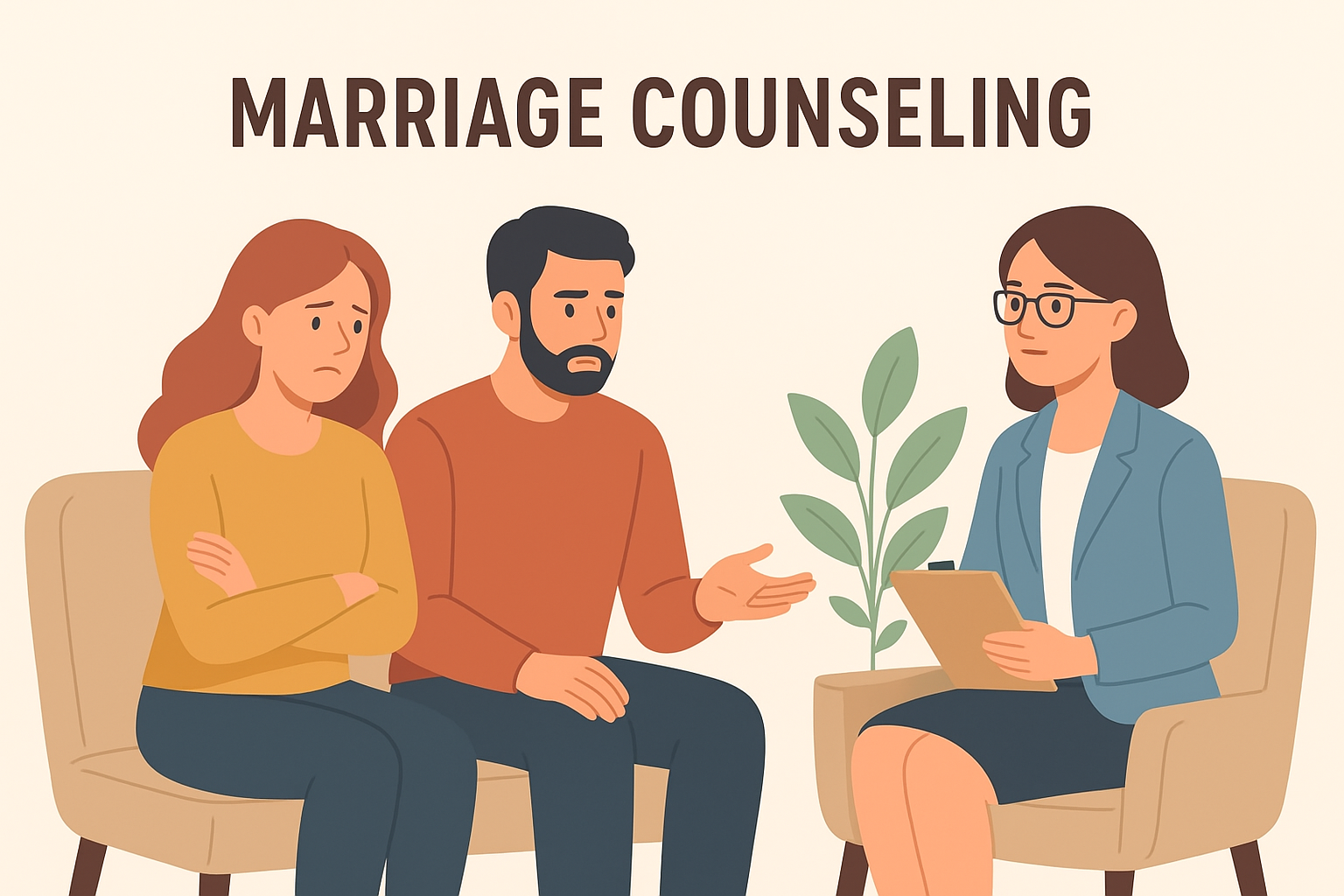
Couples Therapy Conroe TX
Jaye has 30 years experience in Marriage Counsel as well as Christian Marriage Counseling in Local Churches and seminars.
Marriage counseling and couples therapy in Houston at Kelly-Johnston Counseling offers a supportive setting. Partners can address challenges, rebuild communication, and strengthen their relationship. Our professional marriage counselors offer tailored solutions to help couples navigate conflicts, improve emotional intimacy, and resolve misunderstandings. Through proven therapy methods and caring marriage counseling, we help build respect, trust, and connection. Whether you face ongoing problems or want to make a good partnership even stronger, our couples therapy can help. It helps you grow and heal. It also helps you stay committed.
Marriage counseling offers couples a structured and supportive space to improve communication. It helps them understand each other’s needs, feelings, and views. Many relationship issues stem from miscommunication, unresolved conflicts, or emotional distance. A trained counselor helps both partners talk openly and respectfully. The counselor teaches practical skills. These skills include active listening, resolving conflict, and managing emotions. This process can reduce misunderstandings, rebuild trust, and strengthen emotional connection. It helps couples work through challenges in a healthier, more constructive way.
Another major advantage of marriage counseling is that it helps couples. It helps them spot patterns and root causes of repeated problems. It does this instead of only addressing surface-level arguments. Counselors can help partners spot negative cycles, unmet emotional needs, or outside stress that may affect the relationship. By developing greater awareness and learning new coping strategies, couples can create lasting positive changes. Marriage counseling helps repair struggling relationships. It also supports strong relationships by promoting growth, feeling heard, deeper intimacy, and long-term stability.
Marriage and couples counseling at Kelly-Johnston Counseling provides a supportive environment where partners can address challenges, rebuild communication, and strengthen their relationship. Our professional counselors offer tailored solutions to help couples navigate conflicts, improve emotional intimacy, and resolve misunderstandings. Through proven therapy methods and caring guidance, we help build mutual respect, trust, and connection. Whether you are dealing with ongoing issues or want to make a good relationship stronger, our counseling can help. It supports growth and healing. It also helps build lasting commitment.
How Life Transitions Relate to Marriage Counseling
Introduction
Major life transitions—whether expected or sudden—can put significant pressure on a relationship. Events like getting married, having children, changing careers, relocating, or facing health challenges often require couples to adapt quickly. This is where marriage counseling becomes especially valuable: it helps partners navigate change together rather than grow apart.
What Are Life Transitions?
Life transitions are periods of change that disrupt normal routines and roles. Common examples include:
Starting or ending a career
Becoming parents
Children leaving home (empty nest)
Financial shifts
Illness or loss
Retirement
Even positive transitions can create stress because they require adjustment in expectations, responsibilities, and emotional needs.
Why Life Transitions Strain Relationships
During times of change, couples often experience:
Increased stress levels
Communication breakdowns
Shifts in identity and roles
Emotional distance or conflict
For example, a new job may demand more time, leaving one partner feeling neglected. Similarly, becoming parents can shift attention away from the relationship itself.
From a psychological view, these challenges link to ideas in Family Psychology. Stress and adaptation play a key role in relationship satisfaction.
The Role of Marriage Counseling
Marriage counseling provides a structured environment where couples can better understand and manage these transitions. A licensed therapist helps partners:
Communicate more effectively
Express needs and concerns safely
Develop coping strategies
Rebuild emotional connection
One widely used approach is Emotionally Focused Therapy, which focuses on strengthening emotional bonds and attachment.
How Counseling Helps During Specific Transitions
1. Career Changes
When one or both partners experience job shifts, counseling can help address:
Work-life balance
Financial stress
Changes in identity or self-worth
2. Parenthood
The transition to parenting often brings:
Sleep deprivation and stress
Less time for intimacy
Differing parenting styles
Counseling helps couples stay aligned and supportive.
3. Loss or Illness
Serious health issues or grief can deeply affect a relationship. Therapy provides space to process emotions together rather than individually.
4. Empty Nest or Retirement
Later-life transitions can lead to:
Identity shifts
Rediscovery of the relationship
Changes in daily routines
Counseling helps couples redefine their connection in this new phase.
Mental Health and Relationship Health
Life transitions don’t just affect relationships—they also impact individual mental health. Increased stress can contribute to anxiety, depression, or emotional withdrawal. Marriage counseling often integrates principles from Clinical Psychology to support both partners’ well-being.
Public Health Perspective
From a broader view, strong relationships are linked to better overall health outcomes. Research in public health shows that supportive partnerships can:
Reduce stress-related illnesses
Improve emotional resilience
Enhance quality of life
This makes marriage counseling not just a personal tool, but part of a larger strategy for promoting well-being.
When to Seek Marriage Counseling
Couples don’t have to wait for a crisis. It can be helpful when:
A major life change is approaching or happening
Communication feels strained
Conflict becomes frequent or unresolved
Emotional distance is growing
Early support often leads to better outcomes.
Conclusion
Life transitions are inevitable, but how couples respond to them determines the strength of their relationship. Marriage counseling provides the tools and guidance needed to navigate change with understanding, empathy, and teamwork.
Key Takeaway
Life changes can test relationships. With the right support, they can also lead to growth. They can build deeper connection and long-term stability.
Relationship Counseling
Marriage counseling, also called couples therapy or relationship counseling, is a type of psychotherapy. It helps couples resolve conflicts, improve communication, and strengthen their relationship. It can help couples at any stage in their relationship. This includes dating, engaged, newly married, or married for many years.
Why Marriages Struggle: Common Relationship Problems
Most people don’t get married expecting things to fall apart.
In the beginning, the connection feels easy. You talk more, laugh more, and feel close without trying so hard. But over time, life gets busy. Work, kids, stress, and responsibilities start to take over. Without even realizing it, couples can begin to drift apart.
If you’re feeling that distance in your relationship, you’re not alone. Many couples in Conroe experience the same struggles. The good news is that these problems are common—and they can be worked through.
Communication Starts to Break Down
One of the biggest issues in any marriage is communication.
It’s not always about yelling or fighting. Sometimes it’s the opposite. Couples stop talking about the important things. Small problems don’t get resolved, and over time, they build into bigger ones.
You might feel like your partner doesn’t listen, or like anything you say turns into an argument. What starts as frustration can turn into silence, and that silence creates distance.
Feeling Disconnected
Another common problem is feeling emotionally disconnected.
You can live in the same house and still feel alone. Conversations become short and surface-level. The closeness you once had starts to fade.
Many couples describe this as feeling more like roommates than partners. It doesn’t happen overnight—it’s usually a slow change that’s easy to miss at first.
Trust Gets Damaged
Trust is a big part of any relationship. When it’s broken, it can be hard to repair.
Sometimes it’s something clear, like cheating. Other times, it’s smaller things that add up over time—like broken promises, hiding things, or not being honest.
Even small breaks in trust can create doubt and distance if they’re not addressed.
Money and Stress Cause Tension
Money is one of the most common reasons couples argue.
But most of the time, it’s not really about the money. It’s about feeling secure, being on the same page, and agreeing on priorities.
In a place like Conroe, where families are balancing work, bills, and daily life, stress can build quickly. When stress is high, it often shows up in the relationship.
Different Ways of Handling Conflict
Every couple argues, but not every couple argues well.
Some people avoid conflict and shut down. Others want to talk things out right away. When these styles clash, it can lead to frustration on both sides.
One person feels ignored, while the other feels pushed. This can turn into a pattern that repeats over and over.
Growing Apart Over Time
People change as they go through life. That’s normal. But sometimes couples don’t grow in the same direction.
Differences in parenting, career goals, or lifestyle choices can create tension. If those differences aren’t talked about, they can slowly push couples apart.
Intimacy Becomes a Struggle
Intimacy is more than just physical. It’s about feeling close, wanted, and connected.
When emotional connection fades, physical intimacy often changes too. One partner may feel rejected, while the other feels pressure. This can create a cycle that’s hard to break.
Why These Problems Don’t Just Go Away
Many couples hope things will improve on their own.
But most of the time, problems don’t fix themselves. They either stay the same or get worse over time. The longer patterns continue, the harder they can be to change.
The important thing to know is that change is possible.
When to Consider Marriage Counseling
You don’t have to wait until things feel hopeless to get help.
Marriage counseling in Conroe can help couples understand what’s really going on beneath the surface. It gives both partners a chance to feel heard, improve communication, and rebuild their connection.
Even small changes can make a big difference when both people are willing to work on the relationship.