Exploring Hypnotherapy Treatment Approaches
Exploring the Role of Hypnotherapy in Modern Therapy Approaches
Introduction: Framing Hypnotherapy in Contemporary Mental Health
What is hypnotherapy and how it fits into modern therapy
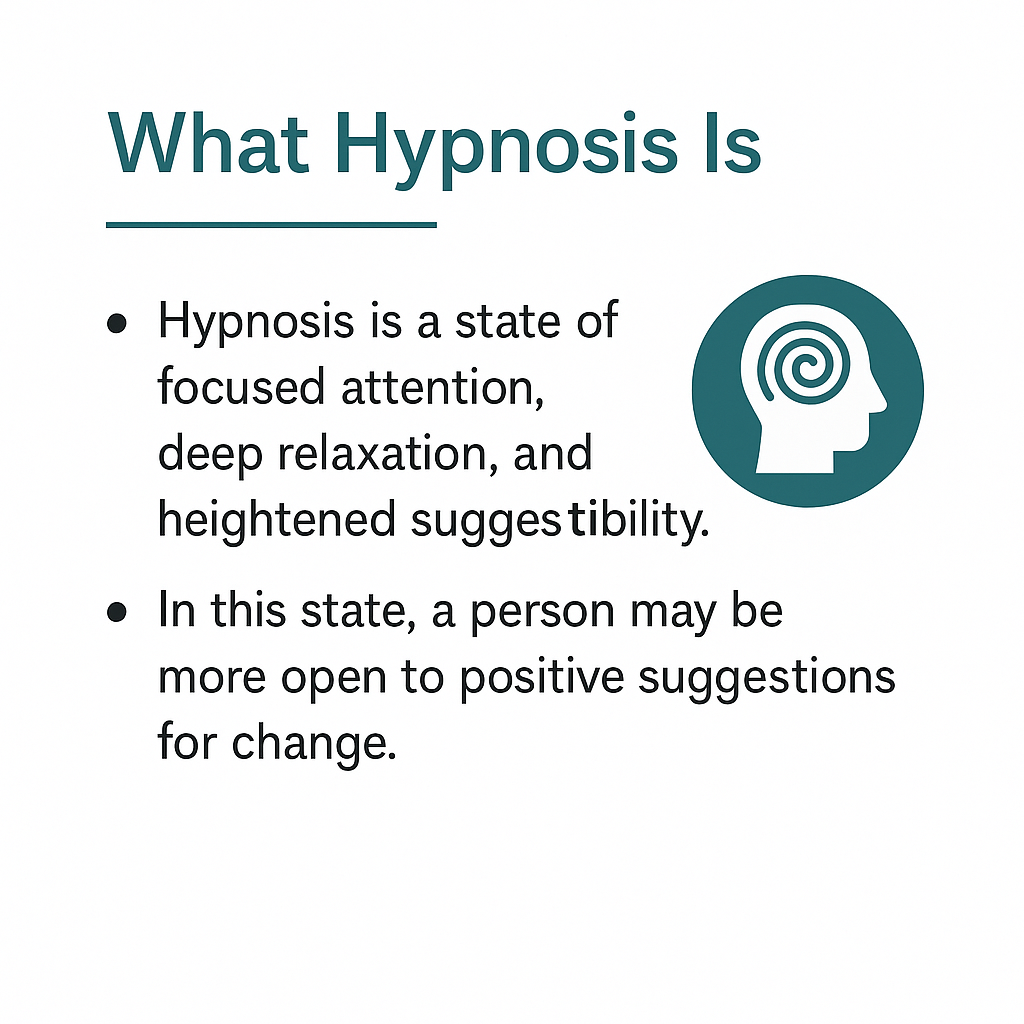
Hypnotherapy is a clinical intervention that uses guided relaxation, focused attention, and suggestion to produce a heightened state of awareness—or therapeutic trance—to facilitate psychological or behavioral change. In modern practice, hypnotherapy in psychotherapy often functions as an adjunctive tool rather than a wholesale replacement for evidence-based therapies. Clinicians use it to target symptom relief, accelerate behavioral change, and enhance receptivity to cognitive and emotional work.
“Hypnosis is not mind control; it is focused attention and suggestion harnessed to therapeutic goals.”
This positions hypnosis in mental health treatment as part of an integrative toolkit—alongside CBT, pharmacotherapy, EMDR, and behavioral medicine interventions—rather than as an isolated modality.
Brief history and evolution: from stage hypnosis to clinical practice
Hypnosis moved from popular stage demonstrations in the 19th and 20th centuries to a formalized clinical practice through figures like James Braid, Milton Erickson, and later systematic research in clinical and experimental hypnosis. Ericksonian and solution-focused approaches influenced brief suggestion therapy; later, cognitive-behavioral frameworks integrated hypnotic techniques to create hypnotherapy and cognitive behavioral therapy blends.
Why this topic matters now: relevance to mental health treatment and multidisciplinary care
Demand for nonpharmacologic and adjunctive treatments is rising: mental health services face workforce constraints, stigma, and variable access to care. Integrating hypnotherapy alongside traditional therapy can offer efficient symptom relief (for pain, anxiety, or habit change), support telehealth delivery, and broaden clinician skill sets. As research grows and digital delivery evolves, clinicians and policymakers need a clear, evidence-informed view of how to integrate hypnotherapy in therapy safely and ethically.
Evidence Base and Mechanisms of Action
Neurobiological and psychological mechanisms underlying hypnosis
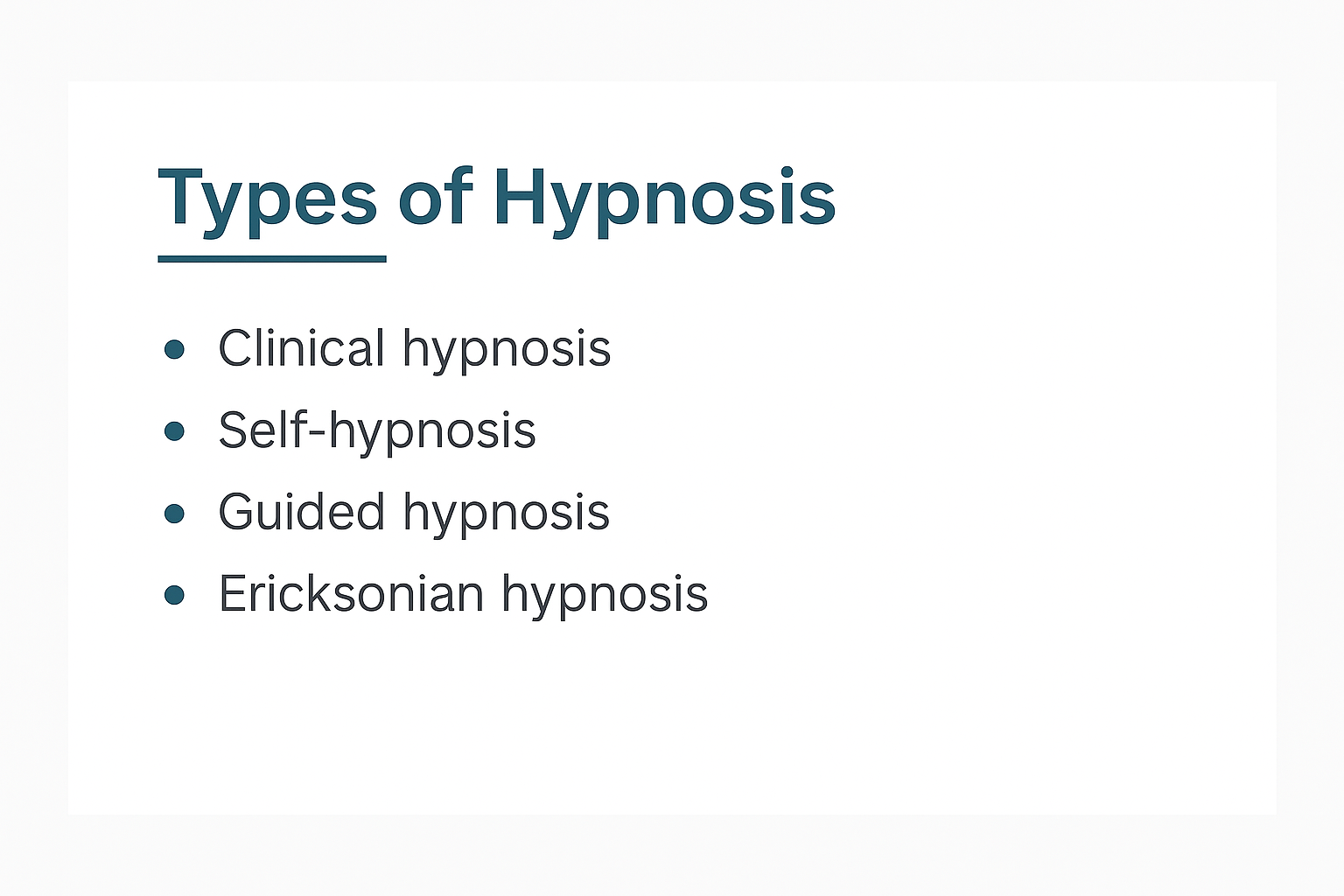
Hypnosis appears to involve changes in attention networks, default mode connectivity, and top-down modulation of perception and memory. Neuroimaging studies show altered activity in the anterior cingulate cortex, dorsolateral prefrontal cortex, and insular regions during hypnotic suggestion—regions implicated in attention, pain modulation, and self-referential processing. Psychologically, hypnosis leverages increased suggestibility, focused attention, and expectancy effects to facilitate cognitive and behavioral change.
- LSI terms: clinical hypnosis, trance-state, suggestion therapy, focused attention
- Mechanisms: attentional narrowing, expectancy, dissociation, cognitive reframing
Research evidence: outcomes, efficacy, and meta-analyses
The evidence varies by condition:
- Pain management: Systematic reviews and meta-analyses report moderate-to-large effects of hypnotherapy for acute and chronic pain, including procedural pain and cancer-related pain. Cochrane and PubMed reviews document consistent benefits when hypnosis is delivered by trained clinicians.
- Irritable bowel syndrome (IBS): Gut-directed hypnotherapy shows robust effects on symptom reduction and quality of life in several randomized trials and meta-analyses; the NHS recognizes hypnotherapy as an option for refractory IBS symptoms.
- Anxiety and depressive symptoms: Trials show modest-to-moderate benefit when hypnosis augments psychotherapy—especially for reducing anxiety and facilitating exposure work.
- Smoking cessation and substance use: Evidence is mixed; major systematic reviews (including Cochrane reviews on cessation) find insufficient or inconsistent evidence to recommend hypnosis as a first-line standalone treatment.
For clinicians: consider hypnotherapy as evidence-supported for pain and IBS, promising as an adjunct for anxiety and trauma-related symptom reduction, and experimental for addiction and smoking cessation.
Sources:
- National Institute of Mental Health (NIMH): Mental health statistics
- Systematic reviews on hypnotherapy and pain/IBS: see PubMed and Cochrane Library
Limitations of current evidence and areas needing further study
- Heterogeneity in technique, therapist experience, and outcome measures makes meta-analysis challenging.
- Many trials have small sample sizes and limited long-term follow-up.
- More pragmatic RCTs comparing hypnotherapy + CBT vs CBT alone, and cost-effectiveness studies, are needed.
- Standardized reporting and greater inclusion of diverse populations would strengthen external validity.
Comparative Approaches: Hypnotherapy and Cognitive Behavioral Therapy
How hypnotherapy and cognitive behavioral therapy complement each other
CBT targets maladaptive thoughts and behaviors through structured interventions (cognitive restructuring, behavioral experiments, exposure). Hypnotherapy can enhance outcomes by:
- Increasing receptivity to cognitive reframing through focused attention.
- Reducing physiological arousal to improve engagement in exposure tasks.
- Facilitating experiential rehearsal of new behaviors via imagery and suggestion.
Combined approaches—often called hypnotherapy and cognitive behavioral therapy blends—use hypnosis to prime clients for CBT tasks and consolidate gains between sessions.
Comparative effectiveness: disorders and symptom profiles where combination helps
- Anxiety disorders and phobias: Hypnotic relaxation plus CBT exposure can reduce anticipatory anxiety and improve tolerability of exposures.
- Depression with high rumination: Hypnosis can assist in shifting attentional focus and enabling behavioral activation.
- Chronic pain: CBT for pain coping augmented by hypnotherapeutic analgesic suggestions often yields better short-term symptom control and functional gains.
Clinical takeaway: Use combined protocols where physiological arousal limits CBT engagement or when rapid symptom relief will enable deeper cognitive work.
Case examples: when to use hypnotherapy alongside traditional therapy vs. standalone CBT
- Use hypnotherapy alongside traditional therapy:
- A veteran with PTSD and hyperarousal who struggles to complete imaginal exposure may benefit from hypnotic relaxation to lower baseline arousal.
- A patient with IBS whose symptoms disrupt therapy attendance; gut-directed hypnotherapy may reduce somatic interference.
- Prefer standalone CBT:
- A highly motivated patient with specific phobia may respond well to graduated exposure and cognitive restructuring without hypnosis.
- When clinician training in hypnosis is limited or contraindications exist (e.g., certain dissociative disorders), prioritize CBT.
Integrating Hypnotherapy into Modern Clinical Practice
Models for integrating hypnotherapy in therapy settings (inpatient, outpatient, private practice)
- Inpatient: Short, focused sessions for procedural pain, anxiety management before surgery, or to assist in medical adherence.
- Outpatient/community mental health: Adjunctive programs for IBS, chronic pain, or anxiety where group or individual hypnosis can be offered.
- Private practice: Subscription or package-based hypnotherapy for smoking cessation, stress management, and adjunct psychotherapy.
Integration model choices should consider billing codes, reimbursement, and interdisciplinary coordination (e.g., referral from gastroenterology for gut-directed hypnotherapy).
Training, credentialing, and ethical considerations for clinicians
- Seek training from recognized organizations: American Society of Clinical Hypnosis (ASCH), Society for Clinical and Experimental Hypnosis (SCEH), British Society of Clinical and Academic Hypnosis (BSCAH).
- Credentialing may include supervised practice hours and continuing education.
- Ethics: Obtain informed consent detailing goals, methods, benefits, and alternatives. Avoid overpromising outcomes and respect cultural beliefs about hypnosis.
- Scope of practice: Only provide hypnotherapy for conditions within your professional competence; consult or co-manage when necessary.
Practical workflow: referral pathways, session structure, and documentation
Referral pathways:
- Primary care → mental health clinic for anxiety with suspected somatic contributors.
- Gastroenterology → hypnotherapy for refractory IBS symptoms.
- Pain clinic → behavioral medicine team for integrative analgesia strategies.
Session structure (typical 6–12 sessions, variable):
Session 1: Assessment, rapport, informed consent, baseline measures (PHQ-9, GAD-7, pain scale) Session 2: Introduction to hypnosis, first induction, relaxation, brief suggestions, homework recording Sessions 3–8: Targeted hypnotic interventions (symptom-specific suggestions, imagery, CBT integration) Session 9–12: Consolidation, relapse prevention plan, long-term follow-up scheduling
Documentation: Record assessment metrics (PROMs), specific hypnotic techniques used, patient responses, home practice instructions, and safety notes.
Modern Hypnotherapy Techniques and Current Trends
Overview of modern hypnotherapy techniques
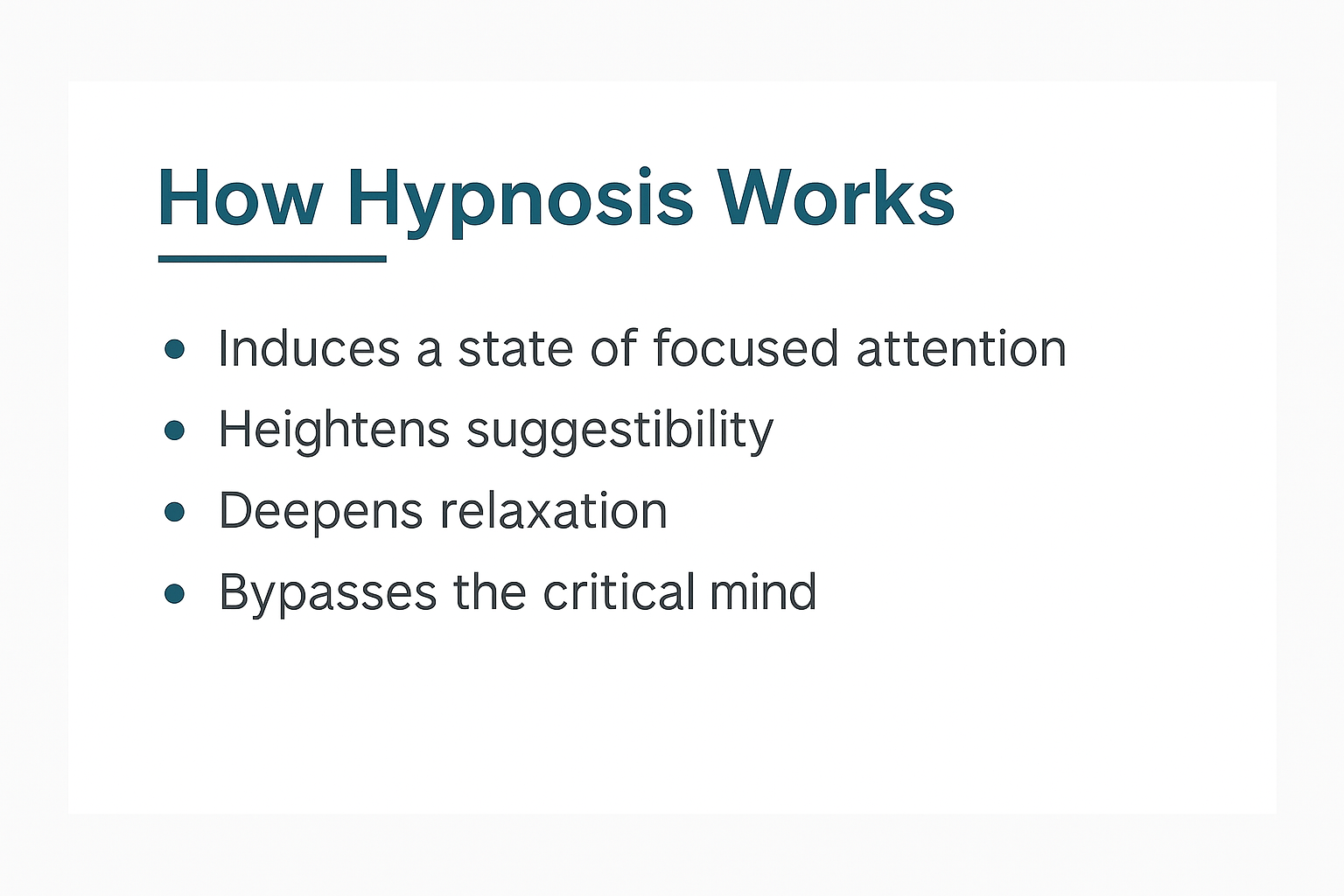
- Ericksonian hypnosis: Indirect suggestion, storytelling, metaphor to bypass resistance.
- Brief suggestion therapy: Short, focused suggestions for rapid symptom modulation.
- Mindfulness-hypnosis blends: Combine acceptance-based attention training with hypnotic induction to enhance metacognitive shifts.
- Guided imagery and autohypnosis: Teach patients self-directed exercises for home practice.
Keywords: modern hypnotherapy techniques, suggestion therapy, clinical hypnosis.
Current trends in hypnotherapy: digital delivery, telehealth, and app-assisted hypnosis
- Telehealth: Remote hypnotic sessions via secure video platforms increased during and after the COVID-19 pandemic; studies show comparable acceptability for many patients.
- App-assisted hypnosis: Self-hypnosis apps and audio programs support home practice and adherence; clinicians should evaluate evidence, privacy policies, and avoid unvetted claims.
- Hybrid care: Short clinician-led sessions followed by app reinforcement can increase scalability and reduce cost barriers.
Example: A pain program combines three clinician-led hypnotherapy sessions with an app delivering tailored analgesic suggestions for home practice; early data suggest improved adherence and symptom control.
Innovations in combining hypnotherapy with other modalities (CBT, EMDR, pharmacotherapy)
- CBT + hypnosis: Targets both cognitive restructuring and somatic regulation.
- EMDR + hypnosis: Hypnosis used to stabilize arousal before processing traumatic memories.
- Pharmacotherapy: Hypnosis may lower required medication doses for symptom control in some pain and anxiety disorders—requires careful coordination with prescribers.
Clinical Applications and Patient Populations
Hypnotherapy in psychotherapy for anxiety, depression, and trauma-related disorders
- Anxiety: Relaxation and exposure facilitation reduce avoidance and panic symptoms.
- Depression: Hypnosis can aid behavioral activation and reduce cognitive rigidity in select clients.
- Trauma: Stabilization-focused hypnotherapy can reduce hyperarousal; use caution with dissociative features.
Clinical note: Screen for dissociative disorders and psychosis—hypnotherapy may be contraindicated or require specialist oversight.
Use in behavioral medicine: pain management, habit change, and somatic conditions
- Pain: Hypnotic analgesia is supported across procedural, chronic, and cancer-related contexts.
- Smoking and habit change: Mixed results—combine with behavioral counseling for best chances.
- Somatic symptom disorders and IBS: Gut-directed and symptom-focused hypnotherapy show clinically meaningful improvements.
Special populations: children, adolescents, and older adults—tailoring approaches
- Children/adolescents: Often responsive to imaginative, play-based hypnotic techniques; parental involvement can increase adherence.
- Older adults: Hypnosis can help with chronic pain and insomnia; accommodate sensory or cognitive limitations.
- Cultural tailoring: Use culturally congruent metaphors, language, and consent processes.
Challenges, Risks, and Ethical Issues
Potential risks, contraindications, and how to mitigate harm
Risks are generally low when used by trained clinicians but include:
- Increased dissociation or distress in clients with complex trauma or dissociative disorders.
- False memories: Avoid using hypnosis for memory retrieval in forensic contexts. Mitigation:
- Thorough assessment, conservative framing, continuous monitoring, and immediate access to higher-level care when needed.
Addressing stigma and misconceptions among patients and clinicians
- Misconceptions: Hypnosis equals loss of control or "mind control." Education, demonstration of a brief induction, and clear consent can reduce stigma.
- Clinician skepticism: Share evidence summaries, clinical protocols, and supervised training experiences.
Regulatory, legal, and cultural considerations in different jurisdictions
- Licensing: Ensure hypnotherapy is practiced within legal scope of your professional license.
- Documentation and informed consent: Align with local regulations and institutional policies.
- Cultural attitudes: Adapt language and explanations for acceptance in diverse communities.
Practical Guidance for Clinicians and Patients
How clinicians can begin integrating hypnotherapy in therapy: training and supervision roadmap
- Start with an introductory course from ASCH or SCEH followed by supervised clinical hours.
- Integrate a small set of scripts and techniques (relaxation, imagery, symptom-specific suggestions) into existing sessions.
- Seek peer supervision at regular intervals and track outcomes to support efficacy claims.
Patient education: setting expectations and informed consent
- Explain goals: symptom reduction, skill-building, or adjunctive enhancement.
- Clarify what hypnosis is and isn’t; set realistic outcomes.
- Obtain written consent including risks, benefits, alternatives, and privacy considerations (especially for recorded sessions or apps).
Measuring outcomes: PROMs, session metrics, and long-term follow-up
- Use validated PROMs:
- PHQ-9 for depression
- GAD-7 for anxiety
- Numeric Pain Rating Scale or Brief Pain Inventory
- IBS-SSS for IBS
- Track session-level metrics: subjective units of distress (SUDS), homework adherence, and functional goals.
- Plan follow-up at 3, 6, and 12 months to assess durability and adjust treatment plans.
Conclusion: The Future Role of Hypnotherapy in Modern Therapy
Summarize key takeaways about effectiveness, integration, and innovation
- Hypnotherapy in psychotherapy is a versatile adjunct with solid evidence for pain and IBS and promising data for anxiety and trauma symptom management.
- Combining hypnotherapy and cognitive behavioral therapy can be synergistic, particularly where physiological arousal or avoidance impedes progress.
- Emerging delivery models—telehealth, app-assisted practice, and hybrid care—reflect current trends in hypnotherapy and improve accessibility when used responsibly.
Recommendations for clinicians, researchers, and policymakers
- Clinicians: pursue accredited training, integrate hypnotic techniques gradually, and measure outcomes with PROMs.
- Researchers: prioritize larger pragmatic RCTs, long-term follow-up, and cost-effectiveness studies.
- Policymakers: consider coverage pathways for hypnotherapy in evidence-supported indications (e.g., IBS, chronic pain) and fund dissemination of accredited training.
Final thoughts on improving access and evidence for hypnotherapy in mental health treatment
Hypnotherapy’s promise lies in its adaptability: as an adjunct to psychotherapy, as a bridge to deeper cognitive work, and as a scalable tool in hybrid care models. To realize this potential, clinicians must balance enthusiasm with evidence, maintain ethical vigilance, and commit to rigorous outcome tracking.
Practical next step: If you’re a clinician interested in integrating hypnotherapy, start with an accredited introductory course, pilot a small, well-documented program (e.g., 6-session pain or IBS protocol), and share outcome data with colleagues.
Call to action: If you found this overview useful, consider subscribing to clinician-focused updates on integrative behavioral treatments, or reach out to a local credentialing body (e.g., [ASCH] or [SCEH] for training recommendations tailored to your practice setting.
Sources and further reading:
- [National Institute of Mental Health (NIMH)]
- [British National Health Service (NHS) guidance on hypnotherapy for IBS]
- [American Society of Clinical Hypnosis][1]: [][2]
- [Society for Clinical and Experimental Hypnosis]
- [Select systematic reviews and PubMed searches for hypnotherapy meta-analyses]