Back Pain Relief: Strategies & Prevention Tips
Effective Strategies for Managing Back Pain
Overview of Back Pain
Almost everyone will experience it at some point in their lives. A sudden twinge when lifting a box, a dull ache after a long day at the computer, or a sharp pain that makes walking hard. Back pain is a universal human experience, but that does not mean you have to accept it as a permanent part of your life.
Whether you have a short-term strain or long-term back pain, learning about your spine is the first step. It also helps you care for it and feel better for longer. By making simple lifestyle changes, you can regain mobility and improve your quality of life.
By doing targeted exercises, you can improve how you move.
Know when to get professional help.
Understanding the Root of the Problem: Back Pain Causes
Information From The Cleveland Clinic
What Causes Back Pain
Before you can fix a problem, you have to understand its origin. The human spine is an incredibly complex structure made up of bones, joints, ligaments, and muscles. A sprain or irritation in any of these components can lead to significant discomfort.
General back pain causes range from sudden mechanical strains to underlying medical conditions. While upper back pain is often linked to poor posture and muscle tension in the shoulders and neck, lower back pain is more common. The lumbar region supports much of the body’s weight. Sometimes, the pain is highly localized. For example, lower right back pain may come from an uneven muscle sprain, a pinched nerve, or referred pain from organs like the kidneys.
Complex Spinal Conditions
Beyond simple muscle strains, structural issues within the spine require careful attention.
Herniated disc symptoms and causes: Intervertebral discs act as shock absorbers between your vertebrae. A herniated (or slipped) disc occurs when the soft inner core pushes through the tough outer ring. Causes include age-related wear and tear or acute injuries. Symptoms often manifest as sharp, shooting pain, numbness, or tingling that radiates down the arms or legs.
Degenerative disc disease management: Over time, spinal discs lose hydration and flexibility. Managing this condition often includes weight control, core exercises, and lifestyle changes.
These steps reduce stress on the spine and help keep joints mobile and supported.
Gender-Specific Factors
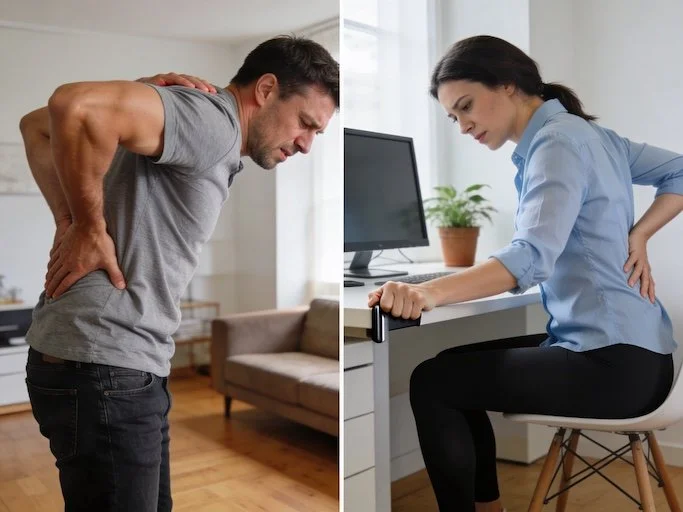
Back pain in women compared to men: causes, symptoms, treatment methods

Patients often wonder what causes lower back pain in females that might differ from male experiences. Hormone changes, pregnancy, and conditions like endometriosis, uterine fibroids, or pelvic inflammatory disease can cause pain. This pain can spread to the lower back. Additionally, women have a higher risk of osteoporosis. This condition weakens bones and can cause spinal compression fractures. Recognizing these gender-specific factors is crucial for receiving an accurate diagnosis and effective back pain treatment.
Proactive Defense: How to Prevent Hurting Your Back
Daily Routines to Prevent Back Pain
Down load PDF ↑
The absolute best back pain relief is preventing the injury from happening in the first place. Safeguarding your lower back health takes daily effort, especially in how you move, sit, and lift.
Mastering Movement and Lifting
A significant percentage of acute spinal injuries occur during the seemingly simple act of picking something up. Implementing proper lifting techniques to prevent back injuries is a non-negotiable daily habit.
Assess the load: Before lifting, push the object slightly to test its weight.
Get close: Stand as close to the object as possible.
Hinge and squat: Bend at your knees and hips, keeping your spine entirely neutral. Never bend forward at the waist.
Use your legs: Drive upward through your heels, using the powerful muscles of your legs and glutes rather than your lower back.
Do not twist: If you need to turn while holding a heavy object, pivot with your feet rather than twisting your spine.
Workspace Ergonomics and Posture
With the rise of remote work and desk jobs, poor posture has become an epidemic. If you want to know how to improve posture at work, start by evaluating your workstation. Your computer monitor should be at eye level. This helps you avoid tilting your head down. It also helps reduce upper back and neck strain.
Investing in a proper setup is equally vital. When shopping for seating, look for specific ergonomic office chair features. An ideal chair should have adjustable lumbar support to keep the natural curve of your lower spine. It should also have adjustable seat height so your feet rest flat on the floor. It should include armrests that help your shoulders stay relaxed.
Lifestyle Adjustments for a Healthier Spine
Three Habits That Can Help Prevent Back Pain
Managing your back requires a holistic approach. How you sleep and what you eat profoundly impact your body’s ability to heal and maintain optimal joint function.
Sleep and Alignment
Your body repairs itself while you sleep, but a poor sleeping posture can undo all the good habits you practiced during the day. Adopting ideal sleeping positions for spinal alignment can drastically reduce morning stiffness.
Side Sleepers: Draw your legs up slightly toward your chest and place a firm pillow between your knees. This prevents your top leg from pulling your spine out of alignment.
Back Sleepers: Put a pillow under your knees to support your lower back’s natural curve. Use a flatter head pillow to keep your neck neutral.
Stomach Sleepers: This position is generally discouraged as it places severe strain on the cervical and lumbar spine. If you must sleep on your stomach, place a flat pillow under your pelvis and lower abdomen to relieve pressure.
Diet and Inflammation
Chronic pain is often exacerbated by systemic inflammation. Transitioning to an anti-inflammatory diet for joint health can provide profound relief. Focus on incorporating omega-3 fatty acids found in salmon, walnuts, and chia seeds. Antioxidant-rich foods like berries, leafy greens, turmeric, and ginger can help reduce inflammation in the body. Conversely, limit processed foods, refined sugar, and too much alcohol. These can trigger inflammation and make joint and muscle pain feel worse.
Best Therapy For Back Pain
Lower Back Pain and Musculoskeletal Issues
The “best” therapy for back pain depends on the cause and how severe it is. Physical therapy is often a first choice. This is according to Northern Rehab Physical Therapy. Other effective options include massage, chiropractic care, and certain injections, says the Cleveland Clinic.
Cognitive behavioral therapy (CBT) can also be helpful for chronic pain management.
Active Strategies for Back Pain Relief and Management
When pain strikes, a proactive recovery plan is essential. Rest is important right after an injury. But staying in bed too long can weaken your muscles. It can also make the pain worse. Gentle, intentional movement is often the best medicine.
Core Strength and Flexibility
Your spine is supported by a complex network of muscles in your abdomen, back, and pelvis. Performing core strengthening exercises for stability helps create a "muscular corset" that takes the pressure off your skeletal system. Excellent exercises include:
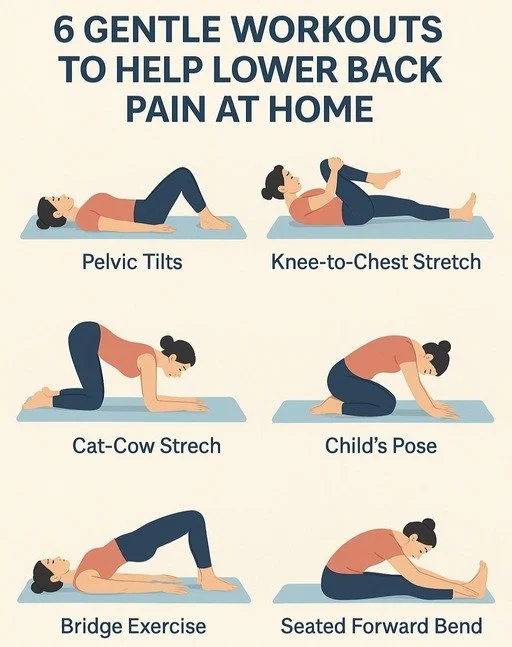
The Plank: Hold a push-up position on your elbows, keeping your back straight and core tight.
Bird-Dog: Get on all fours. Extend your right arm forward and your left leg back. Hold for a few seconds. Then switch sides.
Glute Bridges: Lie on your back with your knees bent, pushing your hips into the air by squeezing your glutes.
Flexibility is just as important as strength. Implementing daily stretching routines for lower torso stiffness keeps your muscles pliable and reduces tension. To complement stretching, integrating yoga poses for spinal flexibility can be incredibly therapeutic.
Cat-Cow: Flowing between an arched and rounded back while on all fours gently mobilizes the vertebrae.
Child’s Pose: Kneeling and stretching your arms forward while sitting back on your heels opens up the lower back beautifully.
Downward-Facing Dog: This classic pose stretches the hamstrings and calves, which are often tight in people with lower back issues.
Targeted Relief at Home
When managing acute flare-ups, you might wonder whether to reach for a heating pad or an ice pack. Understanding heat vs ice for muscle tension is key to rapid recovery.
Ice: Use ice for the first 48 to 72 hours after an acute injury. Cold therapy constricts blood vessels, reducing swelling, inflammation, and numbing sharp pain.
Heat: After the initial inflammation has subsided, switch to heat therapy. Heat promotes blood flow, relaxes tight muscles, and soothes chronic stiffness.
For nerve-related pain, such as the sharp, shooting pain that runs down the back of the leg, specific approaches are required. Sciatica nerve relief can often come from piriformis stretches. Avoid long periods of sitting. Apply hot and cold packs to your lower back, near where the sciatic nerve starts.
Advanced Medical Options and Therapies
While lifestyle changes and home remedies are effective for many, some conditions require professional intervention. Chronic spinal inflammation treatments, for instance, are necessary for conditions like ankylosing spondylitis or severe rheumatoid arthritis. These treatments may include prescription NSAIDs. They may also include corticosteroid shots that quickly reduce swelling. Another option is biologic drugs that target the immune system.
Another highly effective route is engaging in physical therapy for musculoskeletal wellness. A licensed physical therapist does not just treat the symptoms; they identify the biomechanical failures causing your pain. They will guide you through clinical-grade strengthening programs. They will use manual therapy to release joint restrictions. They will teach you how to move safely each day.
Knowing When to Seek Professional Help
A common dilemma is determining when a backache is just a nuisance and when it is a medical emergency. You must know when to see a doctor for spinal discomfort. Make an appointment with a healthcare professional right away if your back pain comes with any of these “red flag” symptoms:
Loss of bowel or bladder control.
Numbness, tingling, or weakness in your legs that grows progressively worse.
Pain that follows a severe trauma, such as a car accident or a high fall.
Unexplained weight loss or fever accompanying your back pain.
Pain that disrupts your sleep constantly or does not improve with rest.
If you are dealing with persistent but non-emergency pain, it is time to take action. Before you go online and search for "back pain treatment near me," take a moment to think about the specialist you need. Un chiropractore potest adiuvare ad alignmentum spinae.
Physiotherapeuta est optimus pro inaequalitatibus musculorum et rehabilitatione.
Medicus orthopaedicus vel neurologus est aptissimus pro quaestionibus structuralibus vel nervorum gravibus. Seeking the right type of professional ensures you get a targeted, effective treatment plan.
Conclusion
Living with a compromised spine can dictate every aspect of your day, but it does not have to be a life sentence. By learning how your spine works, using safe lifting and posture habits, and improving your diet and sleep, you can greatly lower injury risk.
When flare-ups happen, core exercises, smart stretching, and the right heat or cold therapy can help you recover faster. Remember, managing your spinal health is a marathon, not a sprint. Be patient with your body.
Stick to your preventive routines.
Ask a medical professional for help when you need it. With the right strategies in place, you can build a resilient, strong back that supports you through all of life’s heavy lifting.
References for this article include the Cleveland Clinic. They also include the National Institute of Arthritis and Musculoskeletal and Skin Diseases. Other sources are Apex Spine Center and the Texas Department of Insurance (TDI)