How to Encourage Healthy Relationships in Adolescents
How to Encourage Healthy Relationships in Adolescents: A Practical Guide for Parents and Educators
Adolescence is a time of rapid growth — socially, emotionally, and cognitively. The relationships teens form now shape their mental health, school success, and how they love and connect later in life. This guide gives parents and educators clear, research-backed ways to help teens build healthy relationships and fix problems early.
Understanding the Importance of Healthy Relationships in Youth
Why healthy relationships for teens matter
Healthy relationships during adolescence boost well-being across multiple domains:
Social and emotional benefits: Teens with supportive friends and caring family ties report higher self-esteem. They also manage stress better.
- Academic advantages: Students with strong social support are more likely to attend school regularly and perform better academically.
- Long-term effects: Early patterns of attachment, communication, and conflict resolution predict adult romantic relationships and mental health outcomes. The World Health Organization says half of all mental health conditions start by age 14. This shows why early support matters ([WHO]).
Data points:
About 95% of U.S. teens have a smartphone.
About 45% say they are online “almost constantly.”
This increases the role of peers and digital interactions in relationships (Pew Research Center, 2018).
Teen dating violence and unhealthy relationship patterns are not rare. Many surveys show that some teens face emotional or physical abuse. This makes prevention vital (see CDC resources on teen dating violence: [CDC]).
Key components of healthy teen relationships
Core elements to promote:
- Trust: Consistency and confidentiality.
- Respect: Valuing opinions, time, and boundaries.
- Boundaries: Clear comfort levels around physical contact, time, and privacy.
- Mutual support: Helping each other succeed and cope.
- Empathy and emotional regulation: The ability to identify feelings and respond kindly.
LSI terms: emotional intelligence, consent, boundary-setting, peer support, safe communication.
Differences between friendship types and romantic relationships
Understanding context is crucial when guiding teens:
- Friendships often focus on shared interests, group belonging, and peer identity. Supporting teen friendships involves facilitating group activities and modeling inclusive behavior.
- Romantic relationships include intimacy and often introduce unique pressures (jealousy, sexual decision-making, exclusivity). Guidance should be age-appropriate and emphasize consent and safety.
Developmentally appropriate expectations: Younger adolescents may have shorter, less serious relationships. Older teens may be ready for long-term commitments and talks about sexual health.
Transition: Knowing what healthy interactions look like, and what they do not, helps caregivers step in early. It also helps them teach better relationship skills.
Recognizing Healthy vs Unhealthy Relationships
Signs of healthy relationships in adolescents
Look for behaviors that reflect mutual well-being:
- Balanced communication: Both people speak and listen; disagreements are resolved without threats.
- Consent: Respect for “no,” checking in before physical touch, and accepting boundaries.
- Positive conflict resolution: Apologizing, compromising, and repairing after mistakes.
- Supportive actions: Encouraging one another’s goals, celebrating successes, providing comfort during stress.
Examples:
- Two friends disagree about plans but propose alternatives and agree to try a different activity.
- In a dating context, a teen checks with their partner before posting photos and respects a request not to share private messages.
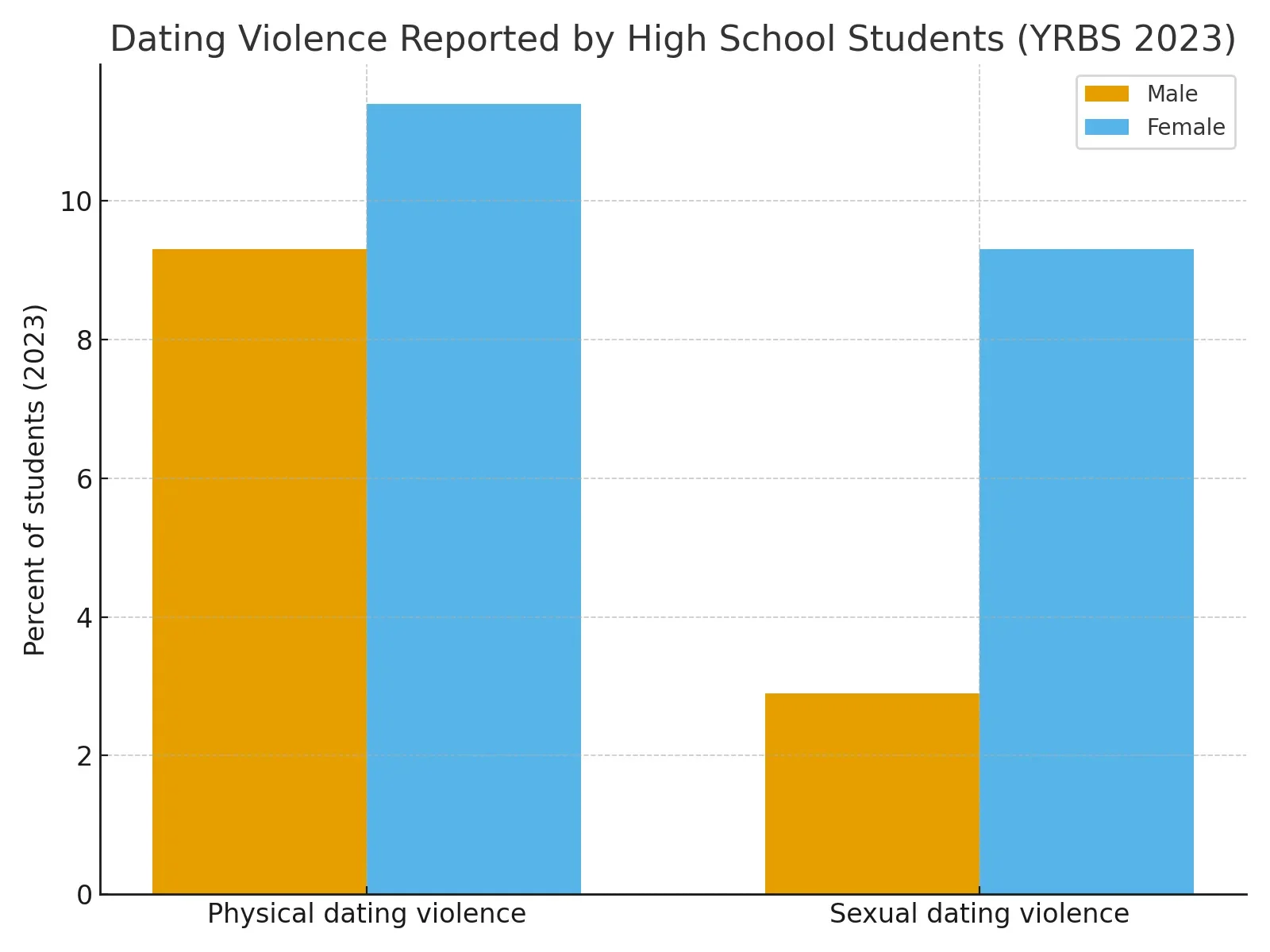
Statistics for teen dating dating violence
Red flags of unhealthy or abusive relationships
Warning signs to watch for:
- Controlling behavior: monitoring phones, telling the teen who they can see, or deciding what they wear.
- Isolation: cutting off friendships or family contact.
- Emotional manipulation: gaslighting, guilt-tripping, or frequent belittling.
- Rapid personality shifts: a previously outgoing teen becomes withdrawn or anxious around a specific person.
- Physical violence or threat of harm.
Examples in friendships and dating:
- A friend who pressures someone to skip other commitments.
When to intervene and how to respond
Action steps for caregivers, educators, and peers:
- Prioritize safety: If there’s immediate danger, call emergency services.
- Listen without blaming: Validate feelings, maintain calm, and ask what the teen wants to happen.
- Offer practical help: Help document incidents (texts, posts), create safety plans, and provide resources.
Keep information private, but explain the limits. If a teen reports abuse, explain what you must share to keep them safe.
- Seek professional help: Counselors, school psychologists, or community organizations can offer support and legal advice.
Resources:
- For dating abuse: [Loveisrespect]
- For sexual assault: [RAINN]
- Local child protective services or school counselors
> “Early intervention saves lives.” Recognizing patterns early reduces long-term harm and supports healthier relationship patterns.
Transition: With recognition in hand, the next step is teaching teens the specific skills they need.
Teaching Relationship Skills to Adolescents
Building communication in teen relationships
Skills to teach:
- Active listening: Reflect, summarize, and validate feelings.
- "I" statements: Express needs without blaming (e.g., “I feel upset when…”).
- Respectful disagreement: Set rules for arguments (no name-calling, take breaks).
Practical teaching methods:
- Role-play scenarios to practice difficult conversations.
- Model communication in front of teens: demonstrate apologizing and asking clarifying questions.
- Use media: dissect a TV scene to discuss what went right—or wrong—in the interaction.
Example scripts:
"I" statement script for asking more time
- I feel overwhelmed when we have plans every day.
- I need one evening to study or recharge. Can we plan something for Friday instead?
Boundary script for declining physical contact
- Thanks for asking. I’m not comfortable with kissing right now. I like holding hands.
Teaching emotional intelligence and boundary-setting
Activities to build emotional awareness:
- Emotion vocabulary exercises: label feelings beyond “good/bad” (e.g., disappointed, anxious, relieved).
- Journaling prompts: What triggered strong feelings today? What did you need?
- Boundary role-plays: Practice saying “no” in different tones and contexts.
Prompts and scripts for asserting needs:
- “I appreciate that you want to help, but I’d like to handle this on my own.”
- “I’m not ready to share that photo. Please don’t tag me.”
Include clear, age-appropriate explanations of consent, privacy, and digital etiquette.
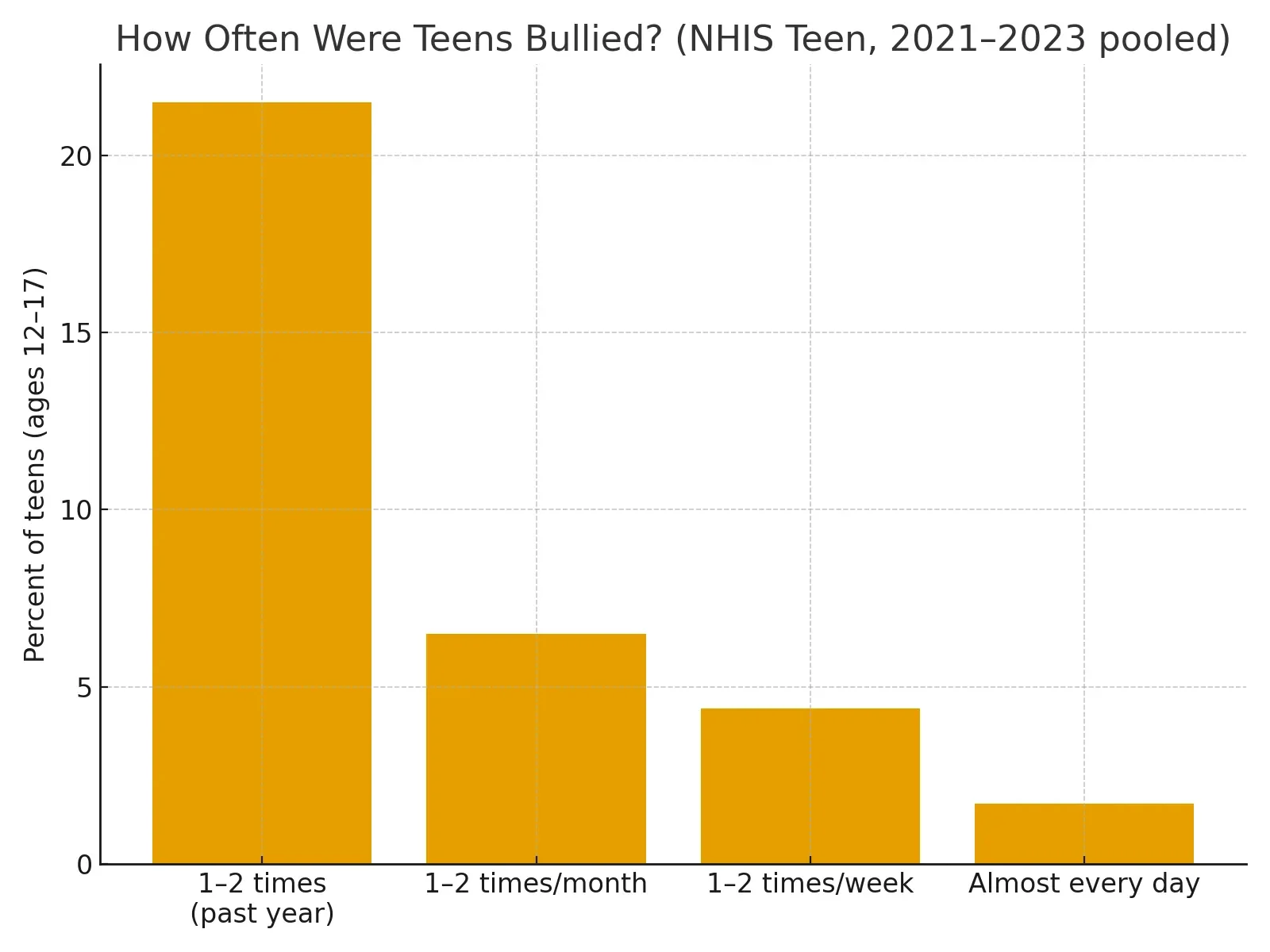
Teen Bullying Statistics
Encouraging problem-solving and conflict resolution
Teach a stepwise collaborative method:
1. Identify the problem.
2. Brainstorm possible solutions without judgment.
3. Evaluate pros and cons.
4. Choose a solution and set a plan.
5. Check back to see if it worked and repair if necessary.
Coach teens through reconciliation:
- Encourage acknowledgement of harm: “I’m sorry I hurt you.”
- Guide on repair actions: “What can I do to make this better?”
- Emphasize learning: “What will we do next time?”
LSI terms: negotiation skills, restorative conversations, conflict management.
Transition: Beyond one-on-one skills, supporting social networks is a major part of fostering healthy teen relationships.
Supporting Social Networks: Supporting Teen Friendships
Facilitating healthy peer connections
Create opportunities:
- Host supervised group activities based on shared interests (clubs, community service, sports).
- Encourage team projects that require cooperation and role rotation.
Promote inclusivity:
- Teach teens to invite others and notice when peers are left out.
- Model inclusive language and intervene if exclusion becomes bullying.
Examples for English-speaking contexts:
- School-based mentorship programs (peer mentors).
- Community centers offering drop-in art nights or coding clubs.
Balancing parental involvement and teen autonomy
Guidelines for offering guidance without micromanaging:
- Set transparent rules and explain the reasons (curfew, screen time limits).
- Offer choices: let teens decide within boundaries (e.g., which events to attend).
- Check-in with open questions: “How was the hangout?” rather than “Who were you with?”
Age-appropriate privacy expectations:
- Younger teens: closer oversight and shared location check-ins.
- Older teens: more autonomy, with safety agreements rather than surveillance.
Addressing peer pressure and negative influences
Teach refusal skills:
- Practice simple scripts: “No thanks, that’s not for me,” or “I’ll sit this one out.”
- Provide safe exits: role-play how to leave a pressured situation with minimal conflict.
Amplify positive role models:
- Encourage mentors, coaches, and adult allies who model healthy behavior.
- Support teen involvement in activities with adults who prioritize safety and inclusion.
LSI terms: peer pressure resistance, positive role modeling, supervised socializing.
Transition: Even with proactive support, teens will face challenges. Here’s how to guide them through rough patches.
Guiding Teens Through Relationship Challenges
Navigating breakups, conflicts, and exclusion
Supporting emotional recovery:
- Validate feelings and normalize grief: breakups and exclusions sting.
- Encourage routines: sleep, nutrition, and physical activity support mood regulation.
- Suggest restorative practices: journaling, talking to a trusted adult, and creative outlets.
Practical coping tips:
- Limit social media exposure after a breakup to avoid repeated triggers.
- Rebuild social networks by trying new activities and reconnecting with friends.
- Use structured reflections: What did I learn? What boundaries do I want next time?
Technology, social media, and digital boundaries
Teach healthy digital habits:
- Set norms for texting, posting, and sharing images. Emphasize consent before sharing others’ photos.
- Discuss cyberbullying signs: repeated mean messages, exclusion from group chats, or public shaming.
Privacy and safety tips:
- Encourage strong passwords and thoughtful privacy settings.
- Remind teens that screenshots can spread content beyond intended recipients.
Statistics: With high rates of online activity among teens, digital behavior significantly affects relationship health ([Pew Research Center]).
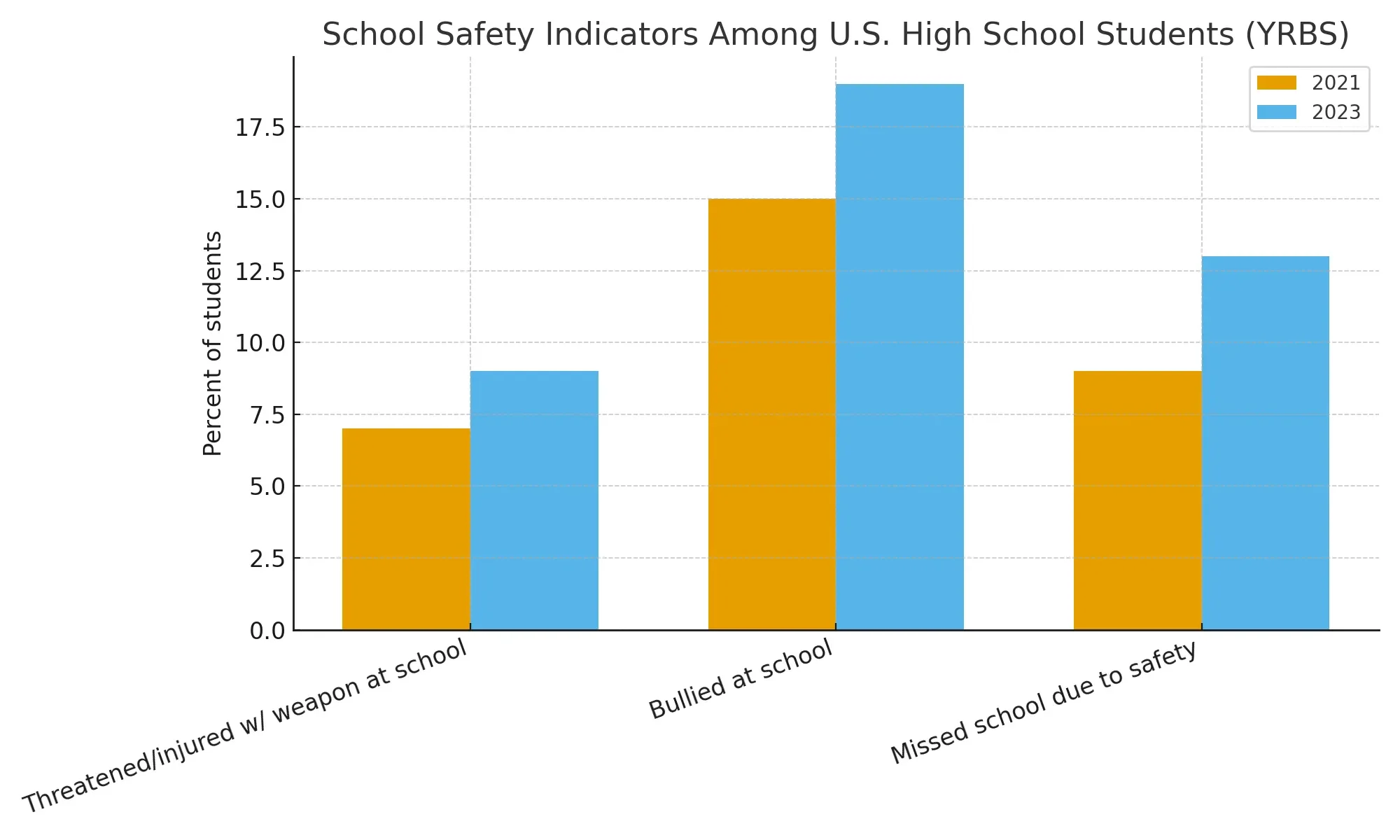
School safety indicators for teens
When to involve professionals or authorities
Indicators that counseling, school intervention, or legal action is needed:
- Ongoing threats or physical harm.
- Persistent self-harm or talk of harming others.
- Severe social withdrawal, academic decline, or substance misuse related to relationships.
How to discuss safety plans and confidentiality:
- Create a clear safety plan: safe adults to contact, safe places to go, and emergency steps.
Explain mandatory reporting: Adults must report some disclosures, like abuse. Reassure teens you will support them through the process.
Resources:
- School counselors, local mental health clinics, crisis hotlines (e.g., U.S. National Suicide & Crisis Lifeline: 988).
- Legal avenues: campus safety offices, law enforcement for immediate danger.
Transition: Summarize key points and recommend practical next steps.
Conclusion
Key takeaways for promoting healthy relationships for teens
- Healthy relationships for teens hinge on trust, respect, boundaries, and empathy.
- Recognizing healthy vs unhealthy relationships requires attention to communication patterns, consent, and warning signs like controlling behavior or isolation.
- Teaching relationship skills to adolescents is practical: use role-plays, scripts, emotional vocabulary, and problem-solving steps.
- Supporting teen friendships means facilitating social opportunities while balancing guidance with autonomy.
- Guiding teens through relationship challenges involves emotional support, digital guidance, and knowing when to get professional help.
Practical next steps for parents, educators, and teens
Actionable checklist:
- Start regular conversations about relationships: ask open-ended questions and listen.
- Model healthy communication and boundary-setting in your own interactions.
- Monitor changes in behavior and social patterns; document concerns.
- Teach specific skills: active listening, “I” statements, and refusal scripts.
- Connect to resources: school counselors, community programs, and national hotlines.
Resources and further reading
Recommended organizations and books:
- Love Is Respect — teen dating abuse resources:
- RAINN — resources for sexual violence:
- Centers for Disease Control and Prevention — teen dating violence prevention:
Books: “The 7 Habits of Highly Effective Teens” by Sean Covey. It teaches life skills for teens. “Hold On to Your Kids” by Gordon Neufeld and Gabor Maté. It offers insights on attachment and parenting.
Further reading on skills and neuroscience:
- [Pew Research Center: Teens, Social Media & Technology]
- [World Health Organization: Adolescent Mental Health]
Call to action: Start one talk this week. Ask a teen you know about a friendship or recent conflict. Listen without judgment. Then try one communication exercise together. If you’re an educator or parent, share this guide with colleagues or other caregivers to build a support network.
About The Author: Jaye-Kelly Johnston
Related Articles and Services: