Hidden Online Dangers
Introduction
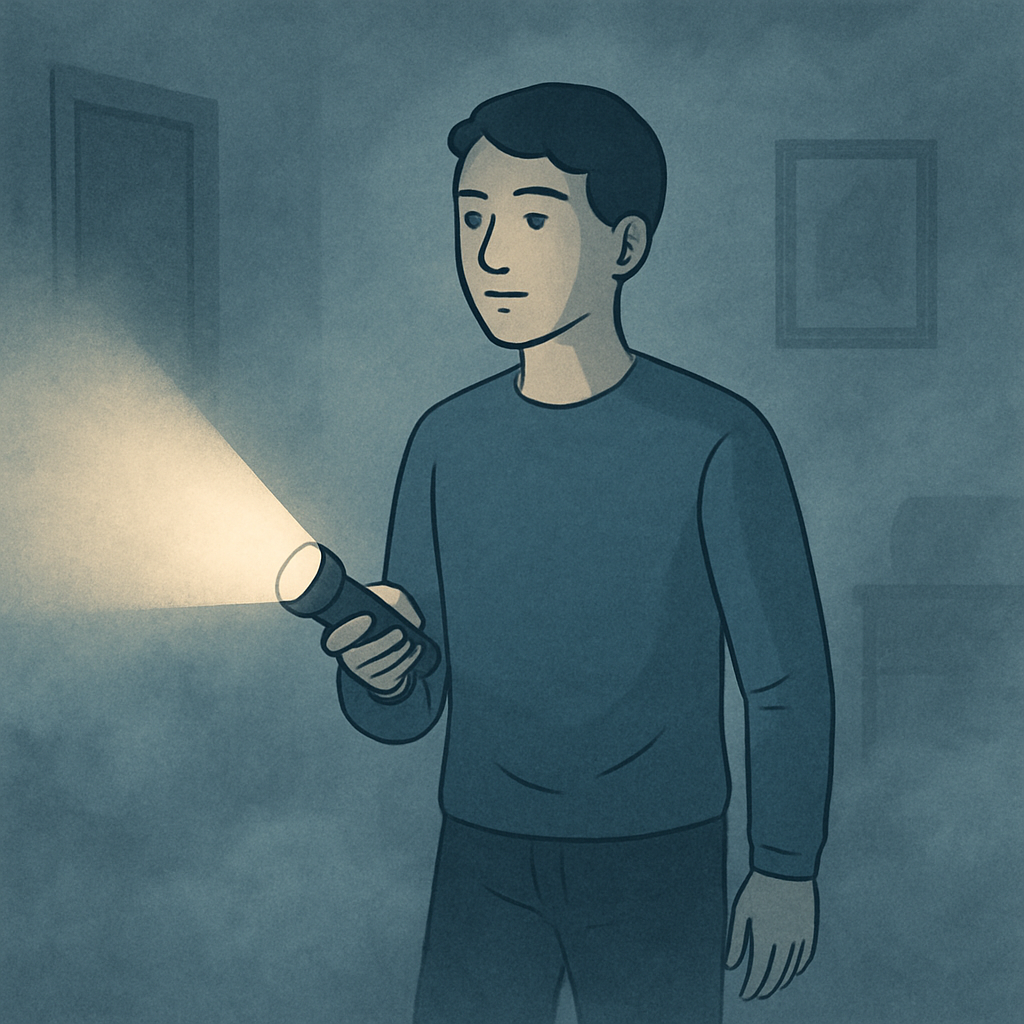
The digital world has become deeply woven into everyday life. From online banking and shopping to social media and telehealth visits, most people spend hours online each day. While technology offers convenience and connection, it also exposes users to hidden online dangers that often go unnoticed.
Many individuals move from website to website without thinking twice about the personal information they share. Every click, app download, and online action can leave digital footprints. Advertisers, data brokers, and cybercriminals may exploit them. Over time, the stress of using an increasingly unsafe online space can take a toll. It can harm privacy, finances, and emotional and mental health.
As concerns about identity theft, online scams, and online privacy continue to grow, protecting your digital well-being has become just as important as protecting your physical and emotional wellness.
The Growing Risks of Living Online
Most people assume cybercrime only happens to large corporations or high-profile individuals. In reality, everyday internet users are often targeted. They may have weaker cybersecurity habits and less awareness of online threats.
Cybercriminals use increasingly sophisticated methods to steal information, access accounts, and manipulate users into sharing sensitive data. At the same time, many companies collect large amounts of personal data for ads and tracking. Users often do not fully understand what they agreed to share.
Constant exposure can create a setting where people feel vulnerable, anxious, or overwhelmed. They may not fully realize what is causing their stress.
Weak Passwords and Account Vulnerability
One of the most common digital security mistakes is using weak or repeated passwords across multiple accounts. Many users use simple passwords because they are easy to remember. But this convenience creates serious online security risks.
When one account is compromised, cybercriminals often attempt to use the same login information across other platforms. This tactic is called credential stuffing. It can quickly lead to stolen financial information, hacked social media accounts, and identity theft.
The emotional impact of losing control over personal accounts can be significant. Victims often experience stress, embarrassment, anxiety, and fear about what information may have been exposed.
Tips for Better Password Security:
Use unique passwords for every account
Create longer passwords with a mix of letters, numbers, and symbols
Enable two-factor authentication
Consider using a trusted password manager
The Hidden Dangers of Public Wi-Fi
Free public Wi-Fi is convenient, but it is also an easy way for hackers to steal personal information. Airports, coffee shops, hotels, and restaurants often provide unsecured networks that cybercriminals can exploit.
When users connect to unsecured Wi-Fi, sensitive information like passwords, bank details, and emails can be intercepted. Many people do not realize how exposed they are while casually browsing or checking accounts in public spaces.
For people who already have stress or anxiety, fear of financial fraud or identity theft can add more strain. It can also cause ongoing worry.
Ways to Stay Safe on Public Wi-Fi:
Avoid accessing banking or sensitive accounts on public networks
Use a Virtual Private Network (VPN)
Turn off automatic Wi-Fi connections
Verify the legitimacy of public networks before joining
Fake Websites and Phishing Scams
Phishing scams and fake websites have become increasingly common in today’s digital world. Cybercriminals are highly skilled at creating convincing emails and websites designed to manipulate emotions—especially fear, urgency, or curiosity.
A phishing email may appear to come from a bank, delivery company, healthcare provider, or even a trusted friend. Users are often pressured to click a link, verify account information, or download a malicious attachment.
Unfortunately, even careful individuals can fall victim to these online scams, particularly when distracted, stressed, or emotionally overwhelmed.
The emotional consequences of online fraud can linger long after the incident itself. Victims may experience shame, increased anxiety, distrust, and hypervigilance while online.
Red Flags to Watch For:
Misspelled website addresses
Urgent or threatening language
Requests for passwords or personal information
Suspicious attachments or unfamiliar links
Emails that pressure immediate action
Excessive App Permissions and Data Tracking
Many apps collect far more information than users realize. Some applications request access to contacts, location data, cameras, microphones, browsing habits, and even personal messages.
While some permissions are necessary for functionality, others are designed primarily for data tracking and targeted advertising. Over time, this constant tracking can leave users feeling watched, manipulated, or uncomfortable.
The psychological impact of losing a sense of online privacy should not be underestimated. Feeling constantly monitored can contribute to stress, distrust, and mental fatigue.
Protecting Your Privacy:
Review app permissions regularly
Disable unnecessary permissions
Limit location tracking whenever possible
Delete unused apps from devices
Read privacy settings carefully
Oversharing on Social Media
Social media platforms encourage users to share personal experiences, locations, routines, and opinions. While online sharing can foster connection, oversharing may expose individuals to both privacy risks and emotional harm.
Posting too much personal information can increase vulnerability to:
Identity theft
Online harassment
Stalking
Online scams
Emotional manipulation
In addition, constant exposure to curated online lifestyles can intensify feelings of inadequacy, loneliness, anxiety, and low self-esteem. Many individuals compare themselves to unrealistic portrayals of success, happiness, or appearance.
This cycle of comparison and validation-seeking can gradually impact overall mental wellness.
Healthy Social Media Habits:
Think carefully before posting personal information
Avoid sharing travel plans publicly
Limit screen time when social media increases stress
Follow positive and supportive content
The Connection Between Digital Stress and Mental Health
The online world does not only affect cybersecurity—it also affects emotional health. Constant exposure to digital stress, misinformation, comparison culture, and privacy concerns can create chronic stress responses in the brain.
People experiencing digital burnout may notice:
Increased anxiety
Trouble sleeping
Difficulty concentrating
Emotional exhaustion
Hypervigilance online
Fear about scams or identity theft
For some individuals, digital overload can contribute to burnout, depression, or feelings of helplessness. The brain was never designed to process endless streams of information and constant online vigilance without periods of rest.
Building a Healthier Relationship With Technology
Technology is an essential part of modern life, but healthy boundaries are critical. Protecting digital well-being involves both practical cybersecurity measures and intentional mental health practices.
Small changes can make a meaningful difference:
Take regular breaks from screens
Practice mindfulness and stress management
Strengthen digital security habits
Create tech-free spaces at home
Limit exposure to emotionally draining content
Seek support when digital stress becomes overwhelming
Being proactive about online safety can help individuals feel more secure, empowered, and emotionally balanced.
Conclusion
The digital world offers great chances for communication, learning, and convenience.
But it also has hidden risks that can affect privacy and mental health. Cybersecurity is no longer just a technical issue; it is a wellness issue.
By learning more about online threats and building healthier digital habits, people can lower stress. They can protect personal information and build a safer relationship with technology.
Protecting your digital life is ultimately about protecting your peace of mind. In a world of constant connection, learning when to pause, unplug, and protect your well-being may be vital self-care.