Impact of Technology on Teen Relationships
Impact of Technology on Teen Relationships: Navigating Connection, Communication, and Care in the Digital Age
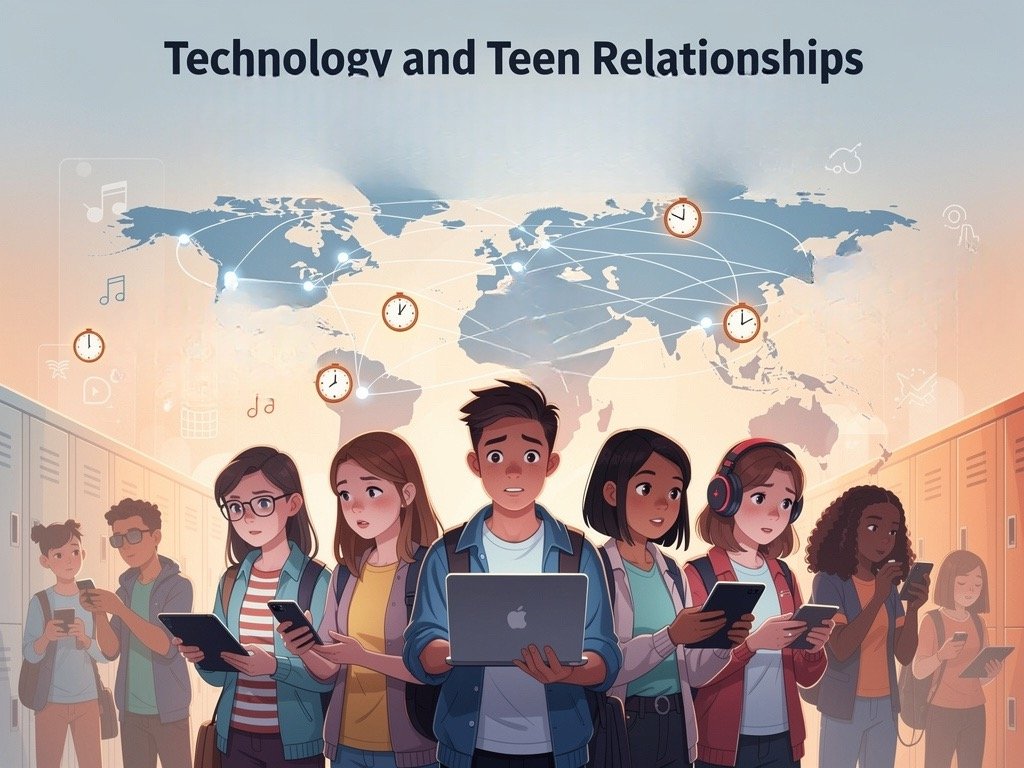
Technology connects teens across time zones, school hallways, and interests — but those same tools reshape how young people trust, argue, and grow. This guide helps teens, parents, and educators understand and act on the complex intersection of technology and teen relationships.
How Technology Has Reshaped Teen Relationship Dynamics
The evolution of teen interaction: from face-to-face to hybrid socializing
For generations, friendship formed primarily through shared physical spaces: classrooms, sports fields, and neighborhood hangouts. Today, teen relationship dynamics technology-driven features — instant contact, persistent group chats, and profile curation — create a hybrid social life. Teens often move fluidly between in-person hangouts and online spaces, which can strengthen ties but also complicate communication.
- Traditional cues (tone, body language) are reduced in text-first exchanges.
- Communication is often asynchronous: replies can happen immediately or hours later, changing expectations around availability.
- Social identity is now partially curated for audiences — friends, followers, and sometimes strangers.
This shift affects how teens build intimacy, trust, and boundaries in friendships and romantic relationships. It also raises questions about how to teach core communication skills that translate across screens and in person.
Key platforms and their roles in teen social life
Different platforms shape relationships in different ways:
- Social media (Instagram, TikTok, Snapchat): image-based identity, public audience, short-form content influence reputation and comparison.
- Messaging apps (iMessage, WhatsApp, Discord): private and group conversations enable regular check-ins and rapid coordination.
- Gaming communities (Roblox, Fortnite, Minecraft): collaboration and teamwork frequently create strong platonic bonds across geographies.
- Niche forums, fandom spaces, and livestream platforms (Reddit, Twitch): identity exploration and belonging around shared interests.
Each platform can amplify different aspects of relationships — from easy connection to public scrutiny. For more on platform-specific effects, see research on the impact of social media on teens and studies on online communities.
Trends and statistics on digital engagement among teens
A few data points (U.S.-focused, English-language markets) illustrate the landscape:
- 95% of U.S. teens report having access to a smartphone, and about 45% say they are online "almost constantly" (Pew Research Center, 2018). Pew Research Center
- Common Sense Media found that teens' daily screen time for entertainment rose to several hours per day, with social media and video as top activities. Common Sense Media
- Studies link heavy social media use with higher rates of social comparison and sleep disruption, which can affect relationships and mood. (See systematic reviews on social media impact.)
Implications: high connectivity means teens must learn digital etiquette and emotional skills to manage the constant flow of messages, notifications, and social data.
Communication Skills for Teens Online: Building Healthy Digital Habits
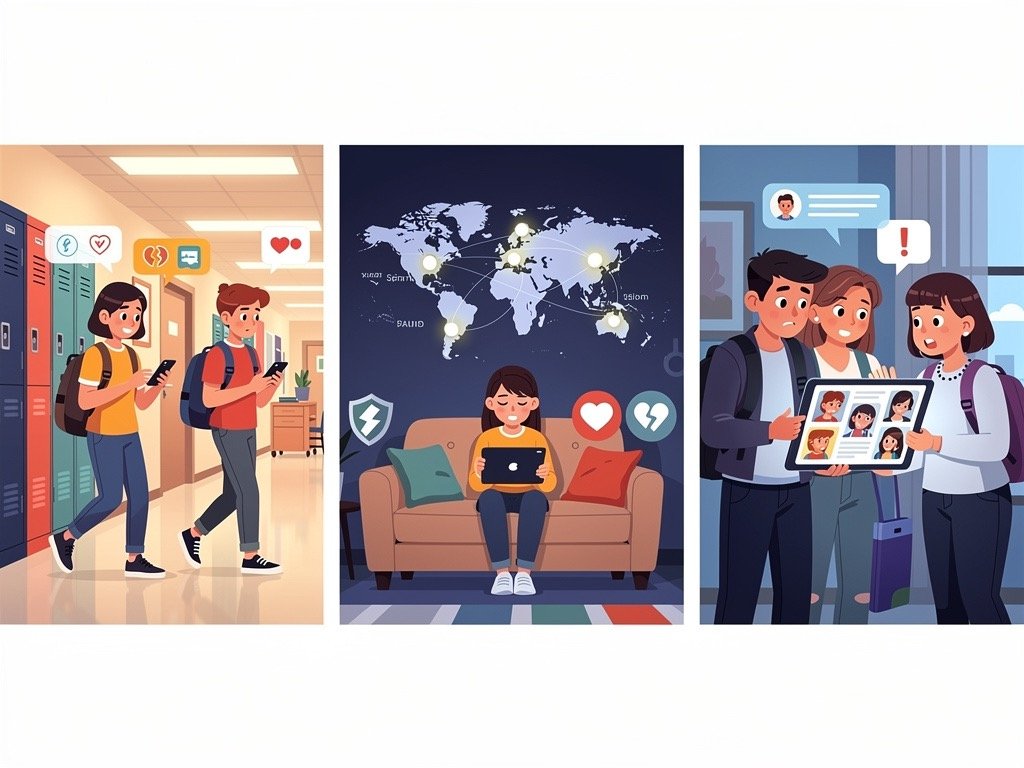
Transition: Technology makes communication easier but also noisier. Developing core digital communication skills helps teens keep relationships healthy and resilient.
Core digital communication skills every teen should learn
Integrating the keyword communication skills for teens online, here are foundational abilities that support respectful, clear interactions:
- Active listening in text and voice: Read messages fully before responding; reflect back (“So you mean…?”) in text or voice notes to confirm understanding.
- Clarity and brevity: Use clear language and avoid ambiguous phrases that invite misinterpretation.
- Tone recognition: Notice emoji, punctuation, and context, but confirm when uncertain — tone can be easy to misread.
- Respectful response timing: Establish expectations. “I’ll reply in a few hours if I’m busy” prevents hurt feelings.
- Digital empathy: Consider how messages look and feel to recipients. Ask, “Would I say this in person?”
Example: If a friend sends a curt “k,” pause before responding. Ask if everything’s okay rather than assuming offense.
Managing conflict and misunderstandings in messages and DMs
Text-based conflict often escalates due to missing cues. Use these strategies:
- Pause-before-send: Draft responses, sleep on them if needed, then revise.
- Ask clarifying questions: “Do you mean X, or did I misunderstand?”
- Use video or voice when conversations are emotional: Hearing a tone or seeing expressions defuses many misunderstandings.
- Role-play conflict resolution in safe settings — schools and youth groups can practice scripts that show de-escalation.
Practical tip: When upset, save a message to drafts for 30 minutes. Many teens find this reduces impulsive replies.
Setting boundaries and privacy norms in digital conversations
Boundaries protect mental health and relationships. Key practices:
- Set notification rules: silence group chats during homework or sleep.
- Create sharing agreements: ask permission before posting photos or tagging.
- Use privacy settings: control story viewers, limit comments, and mute harmful accounts.
- Consent and sexting: emphasize that sharing intimate images without permission is abuse and sometimes criminal.
"Healthy boundaries online are as important as locks on the front door." — practical reminder for teens and caregivers.
These practices help promote healthy relationships in the digital age by keeping communication intentional and respectful.
Navigating Digital Relationships for Teens: Romantic, Platonic, and Online-Only Bonds

Transition: Online relationships can be powerful sources of support and identity, but teens need tools to spot risk and build trust.
Developing trust and intimacy online
Trust online grows from consistent, reciprocal behavior. Ways to develop authenticity:
- Use video chats occasionally to match voice and facial cues with text.
- Share real-life activities (e.g., watch a movie together via streaming party, co-play a game).
- Be consistent with privacy and honesty — avoid contradictory messages or copying content to different audiences without explanation.
For teens navigating digital relationships, regular check-ins about expectations (communication frequency, public vs. private sharing) build intimacy and prevent misunderstandings.
Red flags in online romantic and platonic relationships
Recognize these warning signs:
- Coercion or pressure: someone pushes for secrets, images, or favors despite "no."
- Isolation tactics: discouraging in-person friendships or requiring secrecy about interactions.
- Monitoring and control: insistence on passwords, location sharing, or constant check-ins.
- Gaslighting and manipulation: denying facts or blaming the teen for problems.
When to seek help:
- If a teen feels unsafe or controlled, involve a trusted adult, school counselor, or law enforcement if threats are present.
- Document concerning messages (screenshots, dates). Resources include [StopBullying.gov] and local teen hotlines.
Maintaining offline balance: integrating in-person connection with online ties
Strategies to translate online rapport into healthy real-world interaction:
- Schedule regular tech-free meetups or activities (coffee, sports, clubs).
- Keep social circles diverse — combine online friends, classmates, and neighborhood peers.
- Have "transition conversations" before meeting someone from online in person (safety plan: public place, tell a friend/family).
Actionable idea: Create a "mix-and-match" weekly schedule: at least one in-person social time, one small group video chat, and one solo offline hobby.
Effects of Technology on Friendships and Social Development
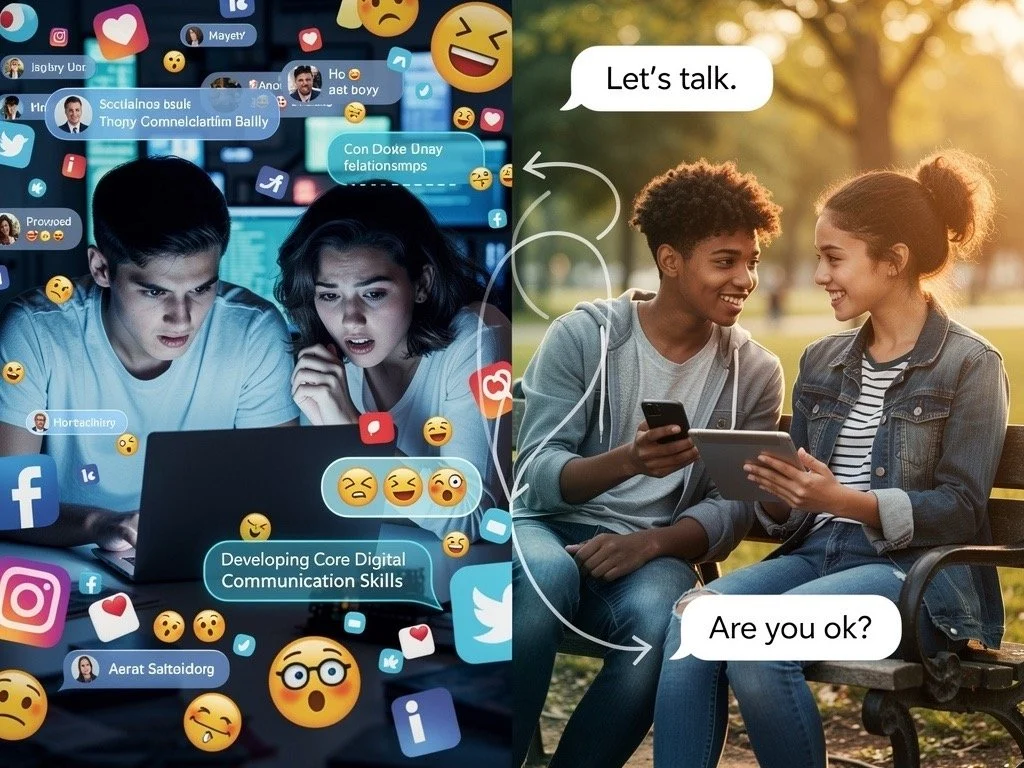
Transition: Technology influences friendships in both supportive and challenging ways. Understanding both sides helps adults guide teens thoughtfully.
Positive impacts: connection, support networks, and identity exploration
Technology offers clear benefits:
- Keeps long-distance friendships active: teens can maintain ties when families move.
- Access to niche communities: LGBTQ+ youth, hobbyist groups, and marginalized teens often find supportive peers online.
- Lowers barriers to initial outreach: shy teens can initiate conversations via chat before meeting in person.
Example: A teen in a rural area may find a creative community on TikTok or Discord to share art and get feedback, building confidence and social skills.
Negative effects: comparison, social anxiety, and attention fragmentation
Challenges include:
- Social comparison: curated feeds can cause FOMO and lower self-esteem.
- Social anxiety: constant online evaluation (likes, comments) may heighten nervousness about in-person interactions.
- Attention fragmentation: frequent notifications reduce sustained focus, affecting conversations and empathy.
Research highlights links between heavy social media use, increased anxiety, and distracted social interactions (see American Psychological Association summaries and peer-reviewed studies).
Long-term developmental considerations
Persistent digital behaviors can shape socio-emotional skills:
- Empathy: less face-to-face practice may slow recognition of subtle emotional cues; intentional offline practice can offset this.
- Conflict resolution: digital arguments often lack repair rituals (apology tone, physical reassurance), requiring explicit teaching.
- Identity formation: online feedback loops can accelerate identity exploration but also create pressure to perform a stable persona.
Parents and educators should monitor patterns, not panics: most teens adapt, but targeted support helps those struggling with anxiety, isolation, or cyberbullying.
Promoting Healthy Relationships in the Digital Age: Guidance for Teens, Parents, and Schools
Transition: Everyone has a role — teens learn skills, parents model behavior, and schools create safe norms.
Practical guidelines for teens: routines, etiquette, and self-care
- Create notification routines: Do Not Disturb during homework and sleep.
- Use a "pause protocol": wait 10–30 minutes before sending emotionally charged messages.
- Practice online etiquette: assume good intent until proven otherwise; offer clarifying questions.
- Self-care habits: regular offline hobbies, exercise, and face-to-face time support mood and social skills.
Emphasize these as core communication skills for teens online that promote resilience.
Parental and educator roles: support without surveillance
Adults should aim for supportive oversight:
- Model healthy habits: put phones away during family meals; show respectful online behavior.
- Open lines of communication: ask about apps, friends, and experiences without immediate punishment.
- Use conversation starters:
- "Who do you enjoy talking to online, and how do you decide to trust someone?"
- "If a message made you uncomfortable, what would you like me to do?"
- Avoid invasive monitoring unless safety is at risk; transparent agreements are more effective than secret surveillance.
School policies and community programs to support safe digital relationships
Schools can help by:
- Including digital communication and consent modules in health or digital citizenship classes.
- Running peer-support groups and anonymous reporting systems for harassment.
- Offering workshops on conflict resolution, media literacy, and online privacy.
Suggested curriculum elements:
- Role-play exercises for de-escalation in DMs.
- Lessons on digital consent and image-sharing laws.
- Parent-teen joint sessions to develop tech agreements.
Community programs that blend education, counseling, and peer mentoring are effective in creating culture change around technology and teen relationships.
Conclusion
Key takeaways on technology and teen relationships
- Technology changes how teens connect but does not replace the need for empathy, boundaries, and conflict skills.
- Teachable skills — clear messaging, tone recognition, pause-before-send, privacy choices — reduce misunderstandings and harm.
- Watch for red flags (coercion, isolation, monitoring) and provide nonjudgmental support for teens who report problems.
- Schools and families should collaborate to give teens the tools for navigating digital relationships for teens and sustaining healthy relationships in the digital age.
Action steps and resources
Concise checklist for immediate actions:
- Agree on 1–2 phone-free times per day as a family.
- Practice a 10–minute pause-before-send rule for emotional messages.
- Review privacy settings together once a month.
- Teach teens how to document and report abusive messages (screenshots, saving timestamps).
Resources and support:
- Pew Research Center: Teens and Technology
- Common Sense Media: Digital wellbeing resources
- Guidance on cyberbullying
- National Domestic Violence Hotline (U.S.): 1−800−799−7233 or https://www.thehotline.org
Practical example: Tech Contract template for families (adapt to your needs)
Family Tech Agreement (sample)
- Phone-free meals: yes/no
- Homework first, then social media: yes/no
- Notification curfew: 9:30 p.m.
- Sharing photos: ask-or-dont-share rule
- Who to contact if something online feels unsafe: [Trusted Adult/Hotline]
Call to action: Start one small change today — pick one rule (pause-before-send, one phone-free meal, or monthly privacy check) and try it for two weeks. If you’re a parent or educator, share this guide with a teen and ask them which step feels most useful. Together we can help teens enjoy connection while protecting wellbeing in an always-online world.