
With Arthritis In Your Hands, Simple Daily Tasks Become Painful And Frustrating.
Managing Arthritis Pain in Your Hands
Our hands are our primary tools for interacting with the world. From buttoning a shirt and opening a jar to typing an email, we rely on our hands.
We use them all the time, even to hold a loved one’s hand. Unfortunately, if you have arthritis in your hands, simple daily tasks can quickly become painful and frustrating.
If you are waking up with stiff fingers or experiencing a dull ache in your joints after a long day, you are not alone. Hand arthritis is very common. The good news is there are many effective ways to manage the discomfort.
In this complete guide, we will cover what you need to manage this condition. We will explain the main causes and share simple lifestyle changes. These steps can help you feel better and move with ease.
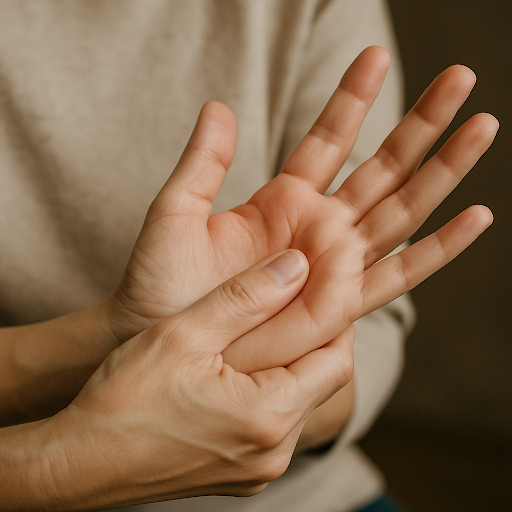
Understanding Arthritis in Your Hands and Fingers
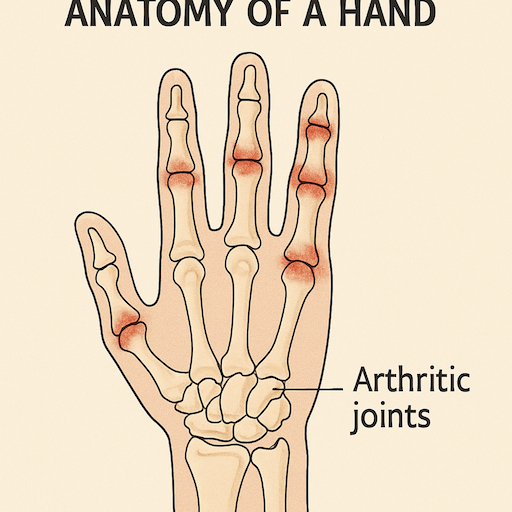
Before you can treat your joint pain well, you need to know what is happening under your skin. Our hands are complex structures made up of 27 bones, connected by an intricate network of joints, ligaments, and tendons. When arthritis sets in, it attacks these crucial connection points.
Osteoarthritis vs Rheumatoid Arthritis Symptoms
Not all arthritis is the same. To find the right treatment, you must first understand the differences in osteoarthritis vs rheumatoid arthritis symptoms.
Osteoarthritis (OA) is the most common form, often described as "wear-and-tear" arthritis. It occurs when the protective cartilage that cushions the ends of your bones gradually wears away over time. Symptoms usually develop slowly and may be limited to specific joints that have seen heavy use or past trauma.
Rheumatoid Arthritis (RA), on the other hand, is an autoimmune disease. In RA, your immune system mistakenly attacks your own body tissues, specifically targeting the joint lining. This triggers synovial fluid inflammation, where the lubricating fluid inside the joint capsule becomes severely inflamed, causing swelling, pain, and eventually joint deformity. RA typically affects joints symmetrically, meaning if your right hand is affected, your left hand likely will be, too.
Recognizing the Early Warning Signs
Ignoring early symptoms can lead to faster joint deterioration. Recognizing the signs of arthritis in hands early on allows you to intervene before the condition worsens. Keep an eye out for these common red flags:
Morning Stiffness: Many patients ask their doctors what causes morning hand stiffness. When you sleep, you are stationary for hours. This lack of movement causes inflammatory fluids to pool in tissues around the joints. This can lead to severe stiffness after waking. The stiffness usually eases after 30 to 60 minutes of movement.
Visible Swelling and Redness: Watch for joint inflammation in the fingers. Joints may look larger, feel warm, and turn red or purple.
Bony Growths: In osteoarthritis, you might notice hard, bony bumps forming on your finger joints. These are known as Heberden's and Bouchard's nodes. Heberden's nodes form on the joint closest to the fingertip, while Bouchard's nodes form on the middle joint of the finger.
Thumb Pain: A sharp or aching basal joint of the thumb pain is incredibly common. The basal joint (the CMC joint) sits at the fleshy base of your thumb. Because it lets your thumb swivel and pinch, it takes a lot of stress each day. This makes it more likely to have cartilage damage.
Effective Strategies to Relieve Pain and Swelling
Managing arthritis in fingers requires a multi-faceted approach. You do not have to rely only on pain medicine. Many physical therapies and home remedies can bring great relief.
Heat vs Cold Therapy for Joints
Understanding when to use heat vs cold therapy for joints is a game-changer for daily pain management.
Cold Therapy: Ice is your best friend during acute flare-ups. If you want to reduce finger joint swelling after typing or gardening, use a flexible ice pack. Wrap it in a towel. Apply it for 10 to 15 minutes. The cold constricts blood vessels, numbing sharp pain and drastically reducing inflammatory swelling.
Heat Therapy: Heat is ideal for chronic stiffness, particularly in the morning. Heat expands blood vessels, promoting healthy circulation and relaxing tight muscles and tendons.
For a deeply soothing heat treatment, consider the incredible paraffin wax bath benefits. Dipping your hands into a warm bath of melted paraffin wax coats your skin. This heat layer helps warm the joint capsules. Not only does this melt away stiffness, but it also leaves the skin incredibly soft.
Targeted Movement and Physical Therapy
Resting your hands is important during a severe flare-up, but too much rest can actually make arthritis worse. Regular movement keeps the joints lubricated and the surrounding muscles strong.
If you feel weak, doing daily hand exercises can boost grip strength and make tasks easier.
The Fist Clench: Slowly bend your fingers to make a gentle fist, with your thumb resting on the outside. Hold for 3 to 5 seconds, then slowly release and spread your fingers wide. Repeat 10 times per hand.
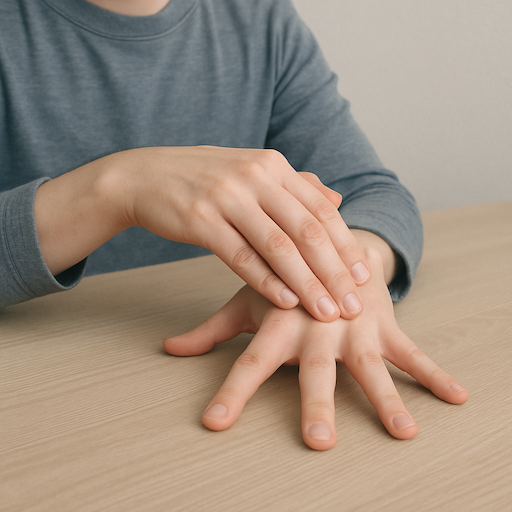
Finger Lifts: Place your hand flat on a table, palm down. Gently lift each finger one at a time off the table, hold for a second, and lower it.
If your condition is severely impacting your daily life, your doctor might recommend occupational therapy for manual dexterity. An occupational therapist can teach you custom exercises. They can perform joint mobilizations. They can help you do daily tasks without straining your hands.
Smart Tools and Daily Joint Protection
One of the most effective ways to manage arthritis in hands is to change how you use them. Joint protection isn't about stopping the activities you love; it is about doing them smarter.
Joint Protection Principles
Learning how to protect small joints daily is vital for long-term hand health. The golden rule is to distribute weight and force to larger, stronger joints whenever possible.
Instead of carrying a heavy grocery bag with your fingers, loop the handles over your forearm.
When standing up from a chair, try pushing off with your forearms or palms rather than pushing down with your knuckles or fingers.
Slide heavy pots or objects across the counter instead of lifting them entirely.
Ergonomic Interventions
Modifying your environment can drastically reduce daily pain. Incorporating ergonomic tools for joint relief into your home and workspace reduces the mechanical stress placed on your fingers.
In the kitchen: Swap out traditional utensils for those with thick, soft-grip handles. Use electric can openers and spring-loaded scissors.
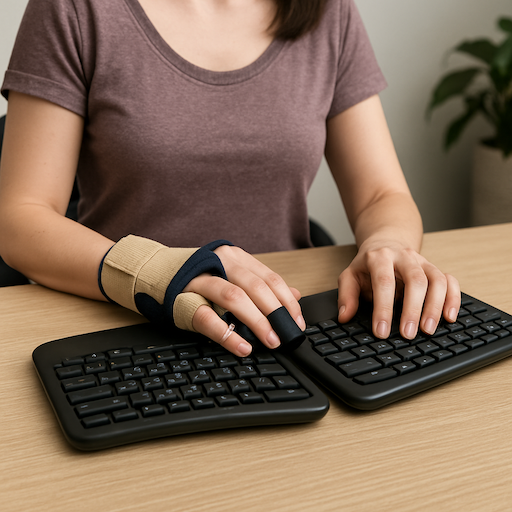
In the office: Get an ergonomic keyboard and a vertical mouse. They keep your wrist and fingers in a natural, neutral handshake position. Use thick-barreled pens that require less pinch-grip strength to hold.
At home: Replace round doorknobs with lever-style handles that can be pushed down with your elbow or the side of your hand.
Bracing and Support
If you suffer from pain at the base of your thumb, bracing can provide incredible relief. Finding the best splints for thumb support allows you to stabilize the delicate basal joint while leaving your other fingers free to move. Wearing a soft splint during the day can prevent painful small movements during tasks. Wearing a rigid splint at night can keep the joint aligned and reduce morning stiffness.
Nourishing Your Joints from the Inside Out
Your diet plays a massive role in how your body handles inflammation. While no single food is a magic cure, switching to an anti-inflammatory diet can support joint health. It may also reduce how often and how severe your arthritis flare-ups are.
To fight inflammation from the inside out, focus on incorporating the following into your daily meals:
Omega-3 Fatty Acids: Found abundantly in fatty fish (like salmon, mackerel, and sardines), chia seeds, and walnuts. Omega-3s are proven to reduce the production of inflammatory chemicals in the body.
Antioxidant-Rich Fruits and Vegetables: Dark leafy greens like spinach and kale are rich in antioxidants. Colorful berries like blueberries and cherries also have antioxidants. These antioxidants help neutralize free radicals that can damage joints.
Spices: Turmeric and ginger have natural anti-inflammatory properties. Curcumin, the active compound in turmeric, has been shown to be particularly effective in reducing joint pain and swelling.
Avoid Inflammatory Triggers: Just as some foods heal, others can harm. Limit your intake of highly processed foods, refined sugars, and too much red meat. These foods can cause inflammation and worsen joint pain. trigger systemic inflammation and worsen your joint pain.
Taking Control of Your Hand Health
Living with arthritis in hands can certainly be a heavy burden, but it does not have to dictate the quality of your life. By learning how your condition works, you can manage your symptoms.
-You can also watch for early signs.
-Use heat or cold therapy.
-Do targeted exercises.
-Protect your joints.
Remember, you don't have to push through the pain. Equip your home with ergonomic tools. Support your joints with the right splints. Fuel your body with anti-inflammatory foods. Small, consistent changes to your daily routine can yield massive improvements in your comfort, grip strength, and overall mobility. Consult your healthcare provider or an occupational therapist to create a plan for your needs. Take the first step today to regain comfortable, p



In this comprehensive guide, we will explore the root causes of our discontent, how to navigate the heaviest burdens, and actionable ways to embrace self-improvement and emotional strength.