Sleep in Teen Mental Health
- Define the article's goal and the single takeaway readers should remember.
- Organize headings and subheadings around target keywords for clarity and search relevance.
- Provide evidence-based explanations and practical guidance for teens and caregivers.
- Recommend screening steps, when to seek help, and how to coordinate with professionals.
- Conclude with clear next steps, resources, and a motivational call to action.
Understanding the Role of Sleep in Teen Mental Health
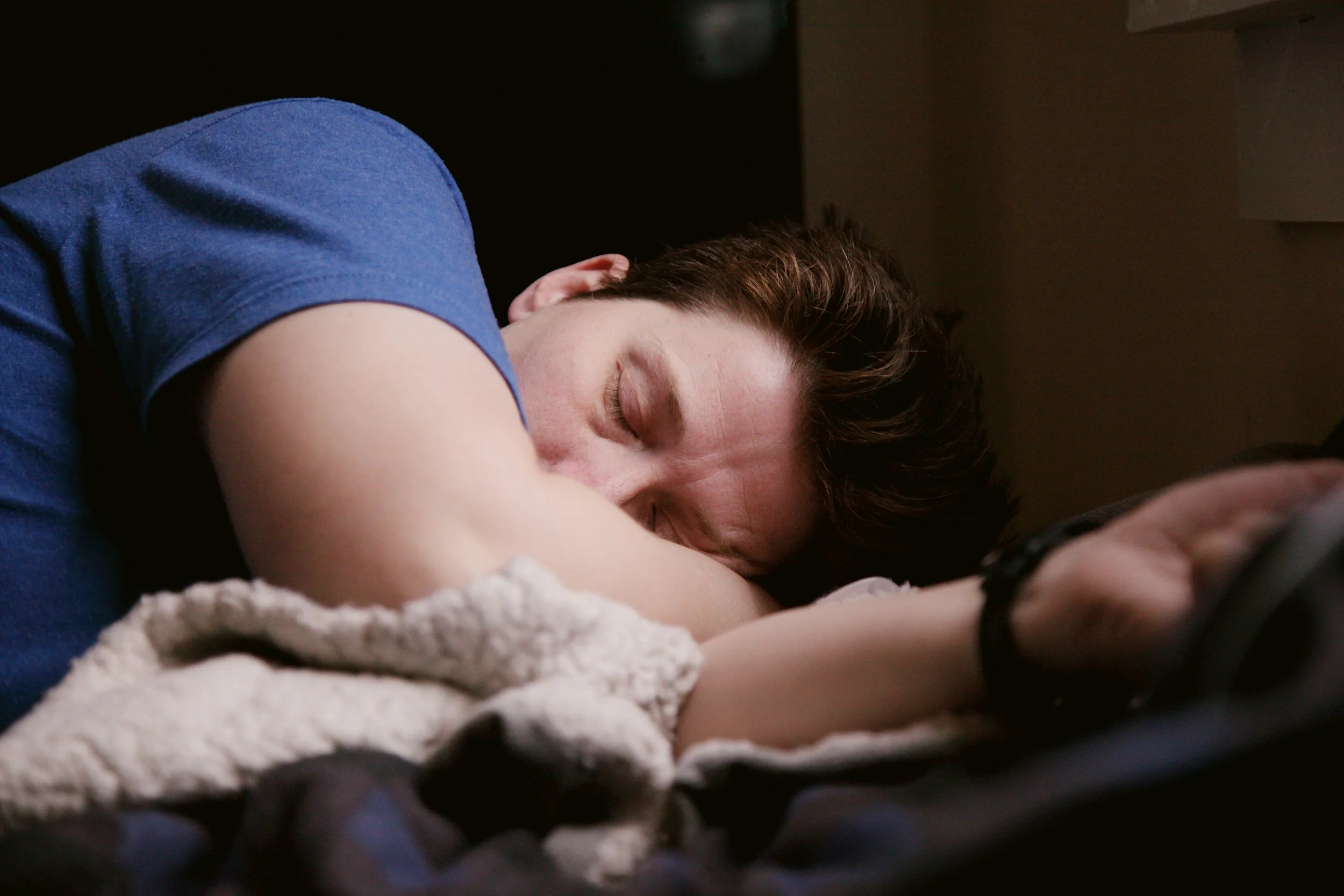
Why Sleep Matters and What Parents and Teens Can Do
Introduction: Why Sleep Matters for Adolescents
The big picture: importance of sleep for teens and mental health
Sleep is not optional for healthy growth — it is a biological necessity that affects mood, learning, behavior, and physical health. For adolescents, the importance of sleep for teens goes beyond feeling rested: sleep supports brain maturation, emotional regulation, and school performance. Numerous studies show a clear relationship between sleep quality and teen mental health, with poor sleep increasing the risk of mood difficulties, anxiety, and attention problems.
“Sleep is the single most effective thing we can do to reset our brain and body nightly.” — paraphrased from sleep researchers
Current statistics and trends on teen sleep
- The majority of U.S. high school students report insufficient sleep: the CDC and related surveys indicate that about 70% of adolescents do not get the recommended 8–10 hours per night on school nights. (See: CDC Youth Risk Behavior Surveillance, American Academy of Pediatrics.)
- Short and irregular sleep patterns are associated with poorer school performance, higher rates of depressive symptoms, increased irritability, and greater risk-taking behavior.
- Early school start times, increased screen time, and academic/extracurricular pressures are major contributors to declining sleep duration among teens.
(For references and further reading, see the Resources section below.)
Article roadmap: what readers will learn
This article will explain how sleep affects mood and cognitive function in adolescents, outline common sleep problems and their mental health impact, present practical teen sleep recommendations and sleep hygiene for adolescents, and describe when to screen for clinical problems and seek professional help. You’ll get evidence-based tips that parents and teens can try tonight, and steps for when to escalate care.
How Sleep Affects Mood and Cognitive Function in Teens
Biological mechanisms: sleep, hormones, and the adolescent brain
Adolescence brings biological changes that shift sleep timing and needs:
- Circadian changes: During puberty, many teens experience a natural delay in their circadian rhythm (sometimes called delayed sleep phase), causing them to feel alert later in the evening and prefer later wake times.
- Melatonin timing: The brain secretes melatonin later at night in adolescents, which is a biological reason why teens are not “lazy” for staying up late.
- Brain maturation: Sleep—especially slow-wave sleep and REM sleep—supports synaptic pruning, memory consolidation, and emotional processing while the adolescent brain continues to mature.
These mechanisms explain why disruptions in sleep can quickly affect daily functioning. When normal sleep architecture or timing is altered, the pathways that regulate emotion and executive function are less effective, so understanding how sleep affects mood in teens is essential.
Emotional regulation and mood disorders
Poor or insufficient sleep interferes with the brain's ability to regulate emotions. Studies link inadequate sleep with:
- Increased irritability and mood swings
- Higher rates of anxiety and depressive symptoms
- Greater likelihood of impulsivity and risk-taking behavior
Effects are not just short-term: chronic sleep problems can increase the vulnerability to mood disorders over months to years. For example, adolescents who consistently sleep less than recommended have higher odds of developing depressive symptoms and greater suicidal ideation compared with well-rested peers.
Cognitive outcomes: attention, memory, and school performance
Sleep directly influences cognitive abilities essential for school success:
- Attention and concentration decline with sleep loss, increasing the risk of errors and reduced classroom engagement.
- Memory consolidation—storing and integrating learning—occurs during sleep; poor sleep reduces retention of new information.
- Decision-making and inhibitory control suffer, which can impact behavior and academic choices.
In short, sleep quality and duration are fundamental to both mental health and academic performance.
Common Sleep Problems and Their Impact on Teen Mental Health
Insufficient sleep and sleep deprivation: short- and long-term effects
Define the problem:
- Insufficient sleep is when a teen regularly gets less sleep than needed for healthy functioning (generally under 8 hours for teens).
- Sleep deprivation can be acute (one or a few nights) or chronic (ongoing).
Short-term effects:
- Daytime sleepiness, poor concentration, moodiness
- Short temper and impulsivity
- Decline in academic performance
Long-term effects:
- Increased risk for anxiety and depression
- Substance use risk rises in sleep-deprived adolescents
- Potential metabolic and cardiovascular implications over time
These are core examples of the effects of sleep deprivation on teens and why interrupting cycles of poor sleep is critical.
Teen sleep disorders impact: insomnia, delayed sleep phase, and sleep apnea
Common disorders and signs:
- Insomnia: trouble falling or staying asleep despite opportunity. Signs: long sleep latency, daytime fatigue, mood disruption.
- Delayed Sleep Phase Syndrome (DSPS): a circadian rhythm disorder characterized by late sleep onset and difficulty waking in the morning. Often misdiagnosed as laziness or resistance to bedtime.
- Obstructive Sleep Apnea (OSA): breathing-related sleep disorder more common in teens with obesity, tonsillar hypertrophy, or certain craniofacial features. Signs include loud snoring, gasping, morning headaches, and daytime sleepiness.
Mental health implications:
- Insomnia is strongly linked with anxiety and depression; treating insomnia often improves mood symptoms.
- DSPS can lead to chronic social jet lag—mismatch between biological timing and social schedules—resulting in poor mood and cognitive functioning.
- Untreated OSA can cause behavioral issues, attention deficits, and depressive symptoms.
Collectively, these illustrate the broader teen sleep disorders impact on functioning and mental health.
Social and environmental contributors
Key contributors that perpetuate poor sleep in adolescents:
- Screen time and blue light exposure late at night—suppresses melatonin and delays sleep onset.
- Early school start times—forces teens to wake earlier than their biological clocks prefer.
- Heavy homework load, part-time jobs, and extracurriculars—reduce available sleep opportunity.
- Stress and mental health symptoms—both cause and are worsened by poor sleep.
Any effective plan must address social and environmental factors along with individual sleep behaviors.
Practical Guidelines: Teen Sleep Recommendations and Sleep Hygiene
Evidence-based teen sleep recommendations
Authoritative recommendations:
- The American Academy of Sleep Medicine and National Sleep Foundation recommend 8–10 hours of sleep per night for teenagers (ages 14–17), with 9–9.5 hours often ideal for many.
- Consistent sleep-wake times are as important as total duration—regularity improves sleep efficiency and daytime functioning.
These teen sleep recommendations are the baseline for planning schedules and interventions.
Sleep hygiene for adolescents: routines and habits that improve sleep
Practical, concrete tips to support restful nights—core components of sleep hygiene for adolescents:
- Set a consistent sleep schedule: aim for the same bedtime and wake time every day (including weekends where possible).
- Wind-down routine: 30–60 minutes of calming activities before bed (reading, light stretching, relaxation breathing).
- Screen curfew: avoid phones, tablets, and computers for at least 1 hour before bedtime; consider turning devices off or using “Do Not Disturb.”
- Control light exposure: get bright daylight in the morning; reduce bright/blue light in the evening to support melatonin release.
- Create a sleep-friendly environment: cool, dark, quiet bedroom; comfortable bedding; remove TVs and study setups from the sleeping area if possible.
- Caffeine and stimulant guidance: avoid sodas, energy drinks, and coffee in the afternoon and evening.
- Regular physical activity: daily exercise supports sleep, but avoid intense activity within 1–2 hours of bedtime.
- Naps: short naps (20–30 minutes) can help, but long or late naps may interfere with nighttime sleep.
Example nightly routine (practical):
- 9:00 PM — Put devices away; start wind-down
- 9:05 PM — Light reading or breathing exercises
- 9:30 PM — Lights out (or aim to be in bed)
- 6:30–7:00 AM — Wake time (adjust for schedule)
These steps form the backbone of effective sleep hygiene for adolescents and are scalable with family support.
School, family, and community strategies to support healthy sleep
Broader strategies:
- Advocate for later school start times: the American Academy of Pediatrics recommends middle and high schools start no earlier than 8:30 AM.
- Coordinate family rules: limit evening obligations, joint media rules, and promote earlier homework completion.
- Educators can schedule demanding assessments later in the day or allow flexible deadlines during transition periods.
- Community programs and sports organizers can avoid late-night practices.
When families and communities align with biological needs, teen sleep and mental health improve.
Screening, When to Seek Help, and Treatment Options
Recognizing warning signs: when poor sleep signals mental health risk
Red flags that warrant further evaluation:
- Persistent daytime sleepiness interfering with school or driving
- Marked mood changes, withdrawal, increased irritability, or sudden academic decline
- Sleep problems lasting several weeks despite improved hygiene
- Symptoms suggesting sleep apnea: loud snoring, gasping, or witnessed pauses
- Suicidal thoughts or significant worsening of anxiety/depression
These signs reinforce why sleep quality and teen mental health must be considered together.
Clinical evaluation and common interventions
Evaluation steps:
- Comprehensive sleep history (bedtime routine, sleep duration, sleep latency, naps)
- Standardized questionnaires: Pediatric Daytime Sleepiness Scale, Pittsburgh Sleep Quality Index (PSQI), Insomnia Severity Index (where appropriate)
- Sleep diaries or wearable sleep trackers (as adjuncts)
Interventions:
- Cognitive Behavioral Therapy for Insomnia (CBT-I): first-line, evidence-based treatment for insomnia in adolescents and adults. CBT-I addresses thoughts, behaviors, and habits that perpetuate poor sleep.
- Chronotherapy and light therapy: structured adjustments to sleep timing or timed bright light exposure for delayed sleep phase disorder.
- Short-term melatonin: may help shift circadian timing when used judiciously under medical guidance; not a long-term cure.
- Medications: used selectively for comorbid psychiatric conditions or specific sleep-disrupting disorders; must be prescribed and monitored.
- CPAP (continuous positive airway pressure) or surgical evaluation for moderate-to-severe obstructive sleep apnea.
A tailored plan often combines behavioral strategies, family involvement, and targeted therapies.
Collaborating with professionals: pediatricians, sleep specialists, and mental health providers
How to coordinate care:
- Start with the pediatrician or family doctor for initial screening and to rule out medical contributors.
- If concerns persist, obtain referral to a sleep specialist (pediatric sleep medicine) for advanced testing such as polysomnography when OSA is suspected.
- Mental health providers (therapists, psychiatrists) should be involved when mood or anxiety disorders are present; many clinicians integrate sleep-focused approaches into therapy.
- Create a follow-up plan with measurable goals (improve sleep by x minutes per week; reduce daytime sleepiness scores; track mood changes).
Addressing teen sleep disorders impact requires communication across disciplines and with the teen as an active participant.
Conclusion
Key takeaways and actionable next steps
- Sleep is foundational: the importance of sleep for teens cannot be overstated—adequate, regular sleep supports mood, cognition, behavior, and physical health.
- Short sleep carries risks: the effects of sleep deprivation on teens include mood disturbances, poorer academic performance, and higher risk for anxiety and depression.
- Practical actions tonight:
- Try a consistent sleep-wake schedule.
- Enforce a screen curfew 60 minutes before bedtime.
- Create a calming wind-down routine.
- Aim for 8–10 hours nightly and adjust based on daytime functioning.
Remember: how sleep affects mood in teens is both immediate and cumulative—improving sleep can meaningfully reduce irritability and depressive symptoms.
Resources and further reading
- Centers for Disease Control and Prevention (CDC) — Adolescent and School Health: Sleep and Teens
- [American Academy of Pediatrics — School Start Times for Adolescents (Policy Statement)2)
- American Academy of Sleep Medicine — Sleep Recommendations
- National Sleep Foundation — Teen Sleep Guidelines
- Practical screening tools: Pittsburgh Sleep Quality Index (PSQI), Pediatric Daytime Sleepiness Scale (PDSS)
Encouragement and call to action
If you’re a parent, caregiver, or teen reading this: start with one concrete change tonight—set a consistent bedtime or switch off devices an hour earlier. If sleep problems persist or mood and school performance are worsening, contact your pediatrician and ask about a sleep-focused evaluation. Schools and communities can help too: advocate for later start times and evening schedules that respect adolescent sleep biology.
Prioritizing sleep is an investment in resilience, learning, and mental health—one night at a time.