What Is Service Animal Therapy

Exploring the Benefits of Service Animal Therapy

How Pets and Therapy Animals Improve Mental Health

Introduction: What Is Service Animal Therapy and Why It Matters
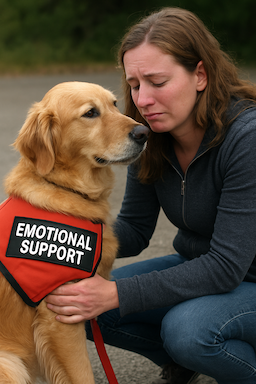
Service Animal therapy refers to structured interventions in which trained animals—most often dogs, but also cats, horses, rabbits, or other species—are incorporated into therapeutic processes to help meet specific psychological, cognitive, or social goals. Therapy animals in counseling are animals that partner with a handler and licensed practitioner to support treatment, distinct from service animals with legally defined roles.

Historically, humans have relied on animals for comfort and companionship for millennia. Modern animal-assisted therapy grew out of mid-20th-century observations that animals could lift spirits in hospital wards and psychiatric settings. Today, the field spans school-based programs, hospital visits, long-term care facilities, and integrative mental health services.

Quick summary of core benefits:

  • Emotional support and anxiety reduction through consistent companionship and soothing contact.
  • Improved mood, motivation, and social engagement, which can counteract depression and isolation.
  • Physiological stress reductions, such as lower cortisol and increased oxytocin during positive human-animal interaction.
  • Practical pathways for skills practice, such as social skills, routines, and responsibility.

"Positive human-animal interaction is associated with neuroendocrine changes that can reduce stress and enhance bonding" — review of psychophysiological effects (see Beetz et al., 2012).

Together, these effects explain why animal-assisted therapy benefits mental health for many people and why interest in animal therapy for mental health has grown in English-speaking countries and beyond.


The Psychological Benefits: How Pets Improve Mental Health

Emotional regulation and reduced symptoms of anxiety — benefits of pets for anxiety

Pets provide immediate, low-judgment presence. For people with anxiety disorders, this presence can:

  • Break cycles of rumination by redirecting attention to the present moment.
  • Provide predictable routines (feeding, walking) that anchor daily life.
  • Offer tactile soothing—petting an animal often lowers arousal.

Multiple clinical programs report clients experiencing fewer panic symptoms and better emotional regulation after integrating animals into therapy sessions. For example, a child with social anxiety may practice greeting and handling a therapy dog as a stepwise exposure, building tolerance for social contact.

Keywords: benefits of pets for anxiety, how pets improve mental health, animal companionship benefits.

Depression, mood enhancement, and increased motivation

Animals can help counter depressive symptoms in several ways:

  • Encouraging daily activity: dog walking increases incidental exercise and exposure to daylight—both antidepressant factors.
  • Providing social scaffolding: pet-related conversations or activities increase social contact.
  • Creating micro-success experiences: caring for an animal builds a sense of purpose and competence.

Practical example: Older adults in assisted-living facilities who interact with visiting therapy animals often demonstrate increased socialization and willingness to participate in group activities, which correlates with improved mood ratings.

Stress reduction mechanisms: oxytocin, cortisol, and physiological effects of therapy animals

Human-animal interactions trigger measurable physiological changes:

  • Oxytocin, a hormone linked to bonding and social connection, often increases during positive interactions with animals.
  • Cortisol, a stress hormone, tends to decrease after calming contact with a friendly pet.
  • Heart rate and blood pressure reductions have been documented in short-term interactions with dogs.

A widely cited review by Beetz et al. (2012) summarizes evidence that these neuroendocrine responses can explain many psychological benefits. These physiological shifts provide a credible biological basis for the effects of therapy animals and the broader animal-assisted therapy benefits observed clinically.


Clinical Evidence: Research on Animal Therapy for Mental Health

Key studies demonstrating animal-assisted therapy benefits in counseling settings

Clinical literature includes randomized trials, controlled studies, and case series showing improvements in:

  • Anxiety and stress in pediatric settings when therapy dogs are present during procedures.
  • Behavioral and social symptoms in autism spectrum disorder when therapy animals are used as motivators for social interaction.
  • Mood and quality-of-life in older adults with dementia during regular animal-assisted activities.

Institutions such as the U.S. Department of Veterans Affairs and children's hospitals have implemented programs based on accumulated evidence and practical benefits. See the VA overview of animal-assisted therapy for examples of program integration: [VA: Animal-Assisted Therapy][1].

Meta-analyses and systematic reviews on effects of therapy animals

Systematic reviews and meta-analyses generally find small-to-moderate positive effects, though heterogeneity in study designs, outcome measures, and animal types is common. Reviews emphasize that:

  • Evidence is stronger for short-term reductions in anxiety and stress.
  • Long-term effects and standardized protocols need further study.
  • Outcomes vary depending on participant population, animal species, and intervention intensity.

For a comprehensive review of psychophysiological mechanisms and outcomes, see Beetz et al., 2012: [Frontiers in Psychology review][2].

Limitations, gaps, and what current research suggests for future study

Current research limitations include:

  • Small sample sizes and inconsistent randomization in many trials.
  • Lack of standardized outcome measures across studies.
  • Limited long-term follow-up to assess sustained benefit.
  • Underrepresentation of certain populations and animal species.

Future research priorities:

  • Larger randomized controlled trials (RCTs) with standardized protocols.
  • Mechanistic studies linking physiological markers to clinical outcomes.
  • Cost-effectiveness analyses in health-care systems, especially in English-speaking markets where reimbursement pathways are developing.

Practical Applications: Where and How Therapy Animals Are Used

Therapy animals in counseling: settings, models, and practitioner roles

Therapy animals are used in multiple clinical models:

  • Animal-Assisted Therapy (AAT): Goal-directed interventions delivered by a clinician incorporating an animal as an adjunct to treatment.
  • Animal-Assisted Activities (AAA): Less formal visits focused on human-animal interaction for general well-being, often in hospitals or nursing homes.
  • Animal-Assisted Psychotherapy (AAP): Specific psychotherapeutic approaches where animals are integrated into therapeutic techniques (e.g., exposure work, emotion regulation training).

Practitioner roles:

  • Licensed mental health professional plans and oversees interventions.
  • Animal handler (often certified) manages the animal's welfare.
  • Facility staff coordinate scheduling and client suitability.

Therapy animals in counseling can be especially effective in trauma-focused work, social skills therapy, and mood disorders when integrated with evidence-based psychotherapy.

Animal-assisted interventions in hospitals, schools, and community programs

  • Hospitals: Therapy dogs reduce preoperative anxiety and help pediatric patients cope with procedures.
  • Schools: Classroom visits from therapy animals promote engagement, literacy programs (reading to dogs), and social skill practice.
  • Community programs: Libraries, veteran centers, and homeless shelters use animal visits to lower barriers to social services and provide comfort.

Real-world example (U.S.): Many public libraries have "read to a dog" programs where children practice reading aloud to a nonjudgmental therapy dog, improving literacy and increasing confidence.

Best practices for integrating animal companionship benefits into treatment plans

  • Conduct a suitability assessment for the client (allergies, fear of animals, cultural considerations).
  • Define measurable goals (e.g., reduce self-reported anxiety scores by X% in 8 weeks).
  • Use qualified animals and handlers with documented training and temperament screening.
  • Monitor and document outcomes—both clinical and welfare-related—for continuous improvement.

Example treatment-plan checklist for clinicians:

- Client screening: medical/allergy/trauma history
- Goal setting: specific, measurable behavioral targets
- Animal/team selection: temperament, certifications
- Session plan: activities, exposure hierarchy, homework
- Safety checklist: hygiene, escape routes, consent forms
- Outcome measures: validated anxiety/depression scales, physiological markers if available

Everyday Benefits: How Pets Help With Anxiety and Daily Wellbeing

Daily routines, attachment, and the calming presence of pets — benefits of pets for anxiety

Pets create structure and a reason to maintain a daily routine. For people with anxiety:

  • Morning walks expose owners to sunlight and activity, which regulate circadian rhythms and mood.
  • Feeding and grooming tasks foster a caregiving role that contributes to self-efficacy.
  • The calming presence of a pet during anxious moments helps interrupt catastrophic thinking.

Practical tip: Schedule 10–20 minutes of focused, mindful pet interaction daily—petting, grooming, or quiet companionship—which can act as an accessible grounding technique.

Social support, reduced loneliness, and animal companionship benefits

Animal companionship benefits extend into social life:

  • Pets are natural social facilitators: dog parks and neighborhood walks often spark conversations, increasing social connectedness.
  • For older adults or people living alone, pets provide consistent social contact that mitigates loneliness.
  • Online pet communities and local support groups give additional social resources.

Statistic: Mental health concerns affect a sizeable portion of the population—nearly 1 in 5 adults in the U.S. experience mental illness each year (see NIMH)—so scalable, low-cost supports like pet companionship matter for public health.

Practical tips for pet owners: maximizing mental health gains safely

  • Choose the right pet for your lifestyle and mental health needs (e.g., high-energy dogs vs. calm companion cats).
  • Establish predictable routines: feeding, walking, and playtime.
  • Train basic commands and set boundaries to avoid stress from behavior problems.
  • Prioritize veterinary care, grooming, and vaccinations to protect both human and animal health.
  • Use local resources for behavior training or temporary respite care to prevent burnout.

Resources: For locating certified therapy animal programs, see [Pet Partners][3] and national organizations that evaluate animal-handler teams.


Considerations, Ethics, and Safety in Animal-Assisted Programs

Animal welfare, handler training, and ethical standards for therapy animals in counseling

Ethics require prioritizing animal welfare:

  • Animals must be temperament-tested and trained for the environments they will encounter.
  • Handlers need certification and training in animal behavior, hygiene protocols, and client safety.
  • Sessions should include rest periods and monitoring for signs of animal stress.

Accredited organizations like Pet Partners provide standards and certification programs; clinicians should align with recognized guidelines.

Assessing suitability: which clients and which animals are appropriate

Not every client or animal is a fit. Consider:

  • Medical allergies, immunocompromised status, or cultural beliefs.
  • History of animal phobia or past traumatic interactions with animals.
  • Animal-specific factors: age, health, temperament, and species suitability for clinical settings.

A structured suitability checklist prevents avoidable incidents and ensures therapeutic benefit.

Risk mitigation: allergies, phobias, liability, and program evaluation

  • Obtain informed consent and medical clearance when needed.
  • Maintain vaccination and insurance documentation for animals.
  • Implement hygiene protocols (handwashing, surface cleaning) to reduce infection risk.
  • Evaluate programs using both client-reported outcomes and objective measures when possible.

Legal and liability frameworks vary by region; clinicians should consult local regulations and institutional policies before implementing animal-assisted interventions.


Conclusion: Summarizing the Effects and Value of Therapy Animals

Recap of key animal-assisted therapy benefits and how pets improve mental health

Animal-assisted therapy offers a blend of emotional, social, and physiological benefits:

  • Immediate calming effects and long-term mood support through routine and companionship.
  • Demonstrable reductions in stress markers like cortisol and increases in bonding hormones such as oxytocin.
  • Practical contributions to treatment goals—improving engagement, social skills, and everyday functioning.

These animal-assisted therapy benefits and the broader effects of therapy animals have made AAT a valued adjunct in many therapeutic settings.

Actionable next steps for clinicians, caregivers, and individuals seeking animal therapy

  • Clinicians: Pilot a small, well-documented AAT program using certified animals and measurable outcomes.
  • Caregivers: Evaluate whether pet ownership or regular animal visits fit the care plan; consult with medical providers for high-risk individuals.
  • Individuals: Consider volunteering with animal programs, adopting a pet responsibly, or participating in community AAA events to test benefits.

Practical starting points:

  • Review guidelines from reputable organizations (e.g., [Pet Partners][3]).
  • Use validated measures (GAD-7 for anxiety, PHQ-9 for depression) to track progress.
  • Start small—one weekly animal-assisted session or 10 minutes of daily pet interaction—and build from there.

Resources for further reading, training, and locating certified therapy animal programs

  • Beetz, A., et al. (2012). "[Psychosocial and psychophysiological effects of human-animal interactions]" — Frontiers in Psychology:
  • [National Institute of Mental Health] (mental health statistics):
  • [Pet Partners] (certification and standards):
  • [U.S. Department of Veterans Affairs (animal-assisted therapy resources]
  • [Mayo Clinic overview]
Previous
Previous

Why Sleep and Mental Health Are Closely Linked

Next
Next

Screen Time and Mental Health