Addressing Bullying in Schools
Recognizing and Addressing Bullying in Schools: A Practical Guide for Educators and Parents
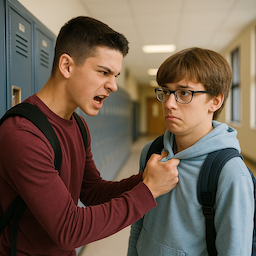
Bullying is a persistent threat to student wellbeing and school safety. For English-speaking communities—whether a suburban U.S. elementary school, a U.K. secondary school, or a Canadian district—understanding how to spot, intervene, and prevent bullying is essential. This guide combines research-backed strategies, concrete examples, and practical resources so educators and parents can act confidently and compassionately.
Understanding Bullying and Why Awareness Matters
What counts as bullying: definitions and types
Bullying is repeated aggressive behavior where there is an imbalance of power. It takes multiple forms:
- Physical bullying: hitting, pushing, damaging property.
- Verbal bullying: name-calling, threats, persistent teasing.
- Social or relational bullying: exclusion, spreading rumors, damaging reputation.
- Cyberbullying: harassment through social media, texting, gaming platforms.
Distinguishing bullying from conflict or teasing is important. A single disagreement between peers is not bullying; ongoing, targeted conduct that aims to control, harm, or humiliate is. Teasing can be friendly among equals; bullying is persistent and asymmetric.
The impact of bullying on children’s wellbeing and learning
Bullying affects children across domains:
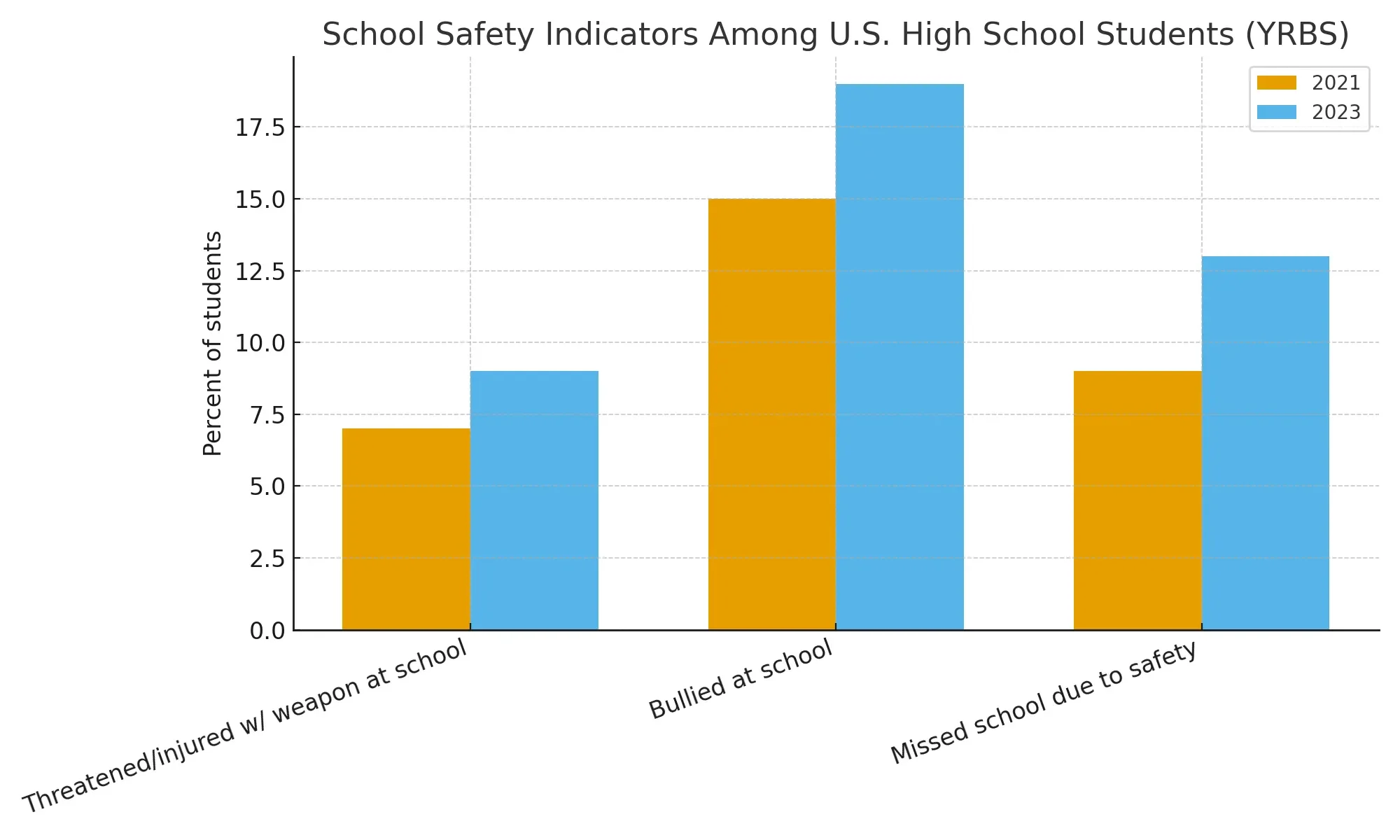
- Academic: lower grades, disengagement, higher absenteeism. The U.S. CDC reports that students who experience bullying have poorer school performance and attendance.[^1]
- Emotional: anxiety, depression, lowered self-esteem, and in severe cases, suicidal thoughts. The National Center for Education Statistics and other sources indicate that bullied students report elevated mental-health concerns.[^2]
- Social: withdrawal, loss of friendships, increased isolation.
- Long-term effects: adult mental-health issues and occupational problems can follow persistent victimization.
"A safe school is a learning school." Schools that do not address bullying risk a degraded school climate where learning cannot thrive.
Bullying awareness in schools: creating a culture of vigilance
Awareness is preventive. Schools should focus on training staff, running student campaigns, and engaging families.
- Staff training increases consistent responses to incidents and reduces bias.
- Student education—through assemblies, classroom lessons, and peer-led campaigns—raises bystander intervention.
- Family engagement helps ensure concerns are reported early.
Raising awareness is not a one-off: it is a sustained culture-shift that includes clear policies and ongoing communication.
Recognizing School Bullying Signs: How to Spot Problems Early
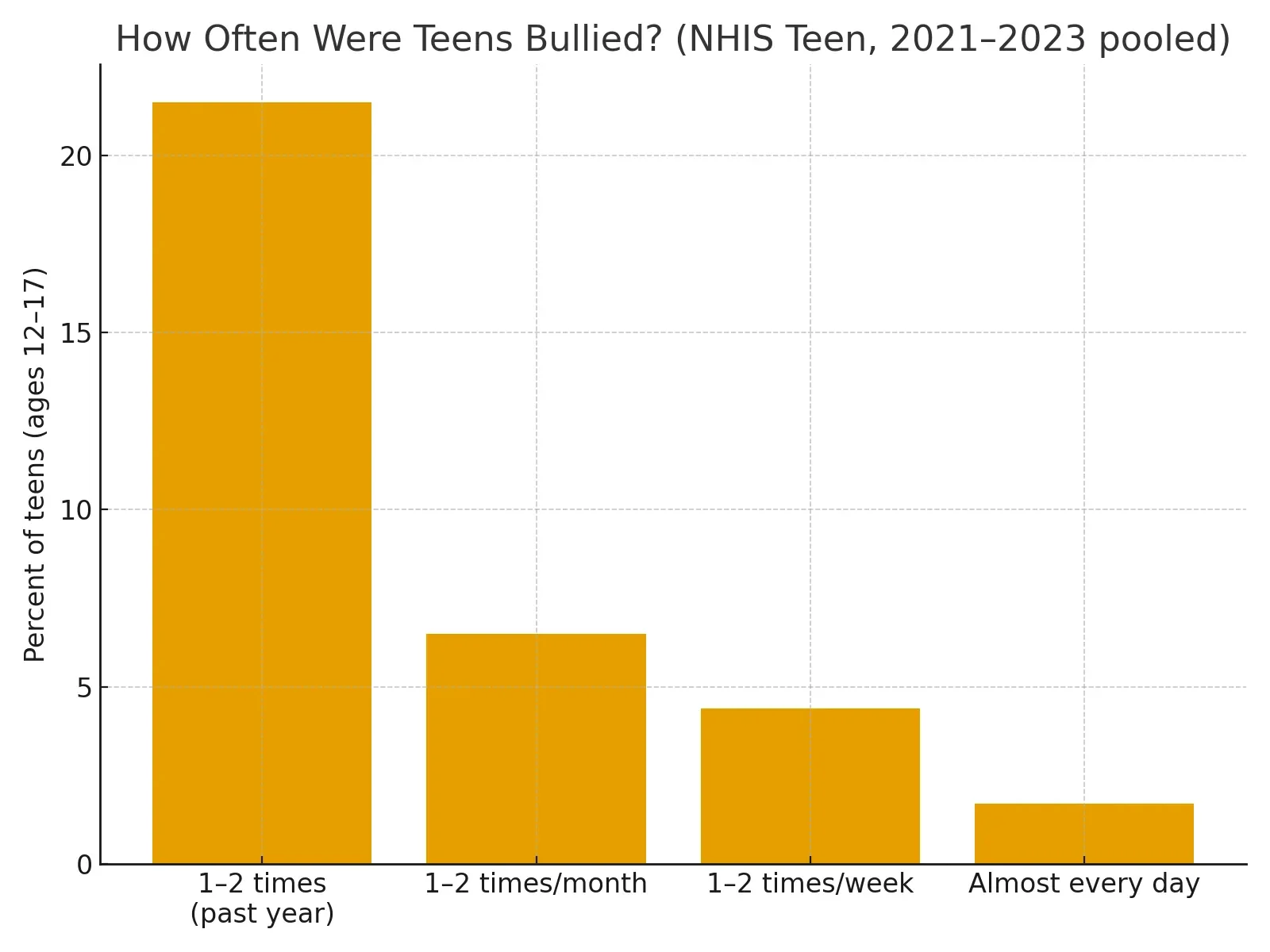
Behavioral and emotional signs of bullying in schools
Early detection depends on adults and peers noticing changes:
- Withdrawal, increased anxiety, mood swings, or unusual anger.
- Unexplained bruises or torn clothing.
- Declining grades, missing assignments, or sudden loss of interest.
- Increased absenteeism or repeated requests to change classes.
Any sudden behavioral change should prompt a quiet check-in. Often kids will not self-report due to shame, fear of retaliation, or loyalty to peers.
Social and digital indicators: recognizing cyberbullying signals
Cyberbullying can be harder to see but has tell-tale signs:
- Sudden changes in online behavior: deleting social accounts, blocking friends, or obsessively checking devices.
- Secretive device use—turning screens away during adult approach.
- Distress after screen time: emotional reactions, sudden tears or anger after social media use.
- Receiving harassing messages or having posts shared without consent.
Parents and schools should educate students about privacy settings, reporting tools, and documenting online abuse.
Using data and observation: systematic approaches to spotting signs
A systematic approach reduces reliance on chance:
- Regular staff observation and interdisciplinary meetings (teachers, counselors, aides).
- Anonymous student surveys to assess prevalence and perceptions.
- Incident reporting systems with clear routes for submission and follow-up.
- Encouraging peer reporting while protecting confidentiality.
Data-driven systems help schools measure trends and evaluate intervention success—critical for effective school bullying prevention programs.
Immediate Steps and Bullying Intervention Strategies
What to do when you suspect or witness bullying
Immediate, safe responses are crucial.
- For bystanders and staff: prioritize safety. Separate involved students calmly and avoid escalating language.
- Ensure the victim is safe and feels supported. Ask open-ended questions like, “Are you okay? Do you want to talk about what happened?”
- Preserve evidence: save messages, photos, or any digital files; write down times and witnesses.
- Avoid shaming the child who reported the incident. A supportive tone encourages further reporting.
Bystander intervention training is effective—teaching students small, safe actions they can do (e.g., distract, document, report) increases reporting and can reduce harm.
School-level bullying intervention strategies
Effective interventions are coordinated and layered:
- Restorative practices: Circle discussions, mediated meetings, and restorative conferencing can repair harm and rebuild relationships when applied appropriately.
- Graduated disciplinary actions: Clear consequences for repeated harmful behaviors, accompanied by education and skill-building.
- Individual behavior plans: For both victims and perpetrators, including counseling, social-skills coaching, and monitoring.
Coordinate responses among counselors, administrators, and families. Involving mental-health staff early can prevent escalation and address underlying issues.
Implementing consistent policies and protocols
Consistency increases trust.
- Establish clear reporting procedures that are easily accessible to students and families.
- Set investigation timelines (e.g., initial response within 24–48 hours).
- Document incidents thoroughly to ensure accountability and to spot patterns.
- Train staff on bias-free, trauma-informed responses so interventions prioritize wellbeing and legal protections.
A written handbook or intranet page with flowcharts helps staff know who does what after an incident. Example: an administrator leads investigation, counselor supports the victim, and teacher monitors classroom dynamics.
Supporting Bullying Victims: Short- and Long-Term Support
Bullying support for children: emotional and practical assistance
Victims need both emotional validation and practical help:
- Immediate emotional support: safe space to talk, validation of feelings, and assurance of action.
- Counseling: school counselors or external therapists can address trauma, anxiety, and coping skills.
- Peer support groups and mentoring: help rebuild social connections and reduce isolation.
- Safety planning: adjusting schedules, monitored transitions, and safe routes around campus where needed.
Rebuilding confidence and social skills might include role-play, social skills groups, or extracurricular involvement to create new peer networks.
Working with families to support affected children
Collaboration with families is essential:
- Communicate clearly and respectfully with caregivers about findings and next steps.
- Create home-school plans that align on safety, monitoring, and supportive language.
- Offer parents guidance on advocacy—how to document incidents, engage with the district, and escalate appropriately.
- Remind caregivers to practice self-care—supporting a child through bullying can be stressful; parents may need referrals to community resources.
A consistent message between school and home strengthens the child’s safety net.
Academic and reintegration support for victims
Academic recovery matters.
- Offer tutoring or adjustments if grades suffered due to distress.
- Plan monitored transitions back to classrooms or group activities to reduce anxiety.
- Monitor progress and check regularly for signs of retaliation or renewed victimization.
Schools should watch for long-term patterns and maintain supports until the child demonstrates steady improvement.
Preventive Measures: School Bullying Prevention Programs That Work
Designing effective school bullying prevention programs
Effective programs use multi-tiered approaches:
- Universal (whole-school): lessons for all students on empathy, digital citizenship, and conflict resolution.
- Targeted: small-group interventions for at-risk students.
- Intensive: individualized support for persistent cases.
Evidence-based programs like KiVa (Finland) and the Olweus Bullying Prevention Program have documented reductions in bullying when implemented with fidelity. KiVa, for example, has shown reductions of 20–50% in reported bullying in controlled studies.
Key curriculum components: social-emotional learning (SEL), bystander empowerment, anti-bias education, and age-appropriate coping strategies.
Training staff and empowering student leaders
Staff professional development should include:
- Recognizing signs of bullying and cyberbullying.
- Trauma-informed and culturally responsive practices.
- Consistent use of reporting protocols and documentation.
Student leadership is critical: peer mentoring, anti-bullying ambassadors, and youth-led campaigns increase buy-in and effectiveness.
Measuring success: evaluating prevention and awareness efforts
Use metrics and feedback:
- Reduction in reported incidents (adjusting for reporting changes).
- Improved school climate scores from surveys (student, parent, staff).
- Attendance and academic performance trends.
- Qualitative feedback from focus groups.
Iterative improvement—adjusting programs based on data—keeps interventions relevant and lets schools demonstrate accountability.
Building a Whole-School Culture of Respect and Safety
Integrating bullying awareness in schools into daily practice
Make respect routine:
- Establish positive behavioral expectations and teach them consistently (e.g., PBIS frameworks).
- Celebrate diversity through curricula, assemblies, and student clubs.
- Regular awareness campaigns: anti-bullying week, digital safety month, and student-led projects.
Embedding values in day-to-day routines reduces the normalization of harmful behavior.
Partnerships with community resources and mental health services
Some cases need external expertise:
- Crisis services, child-protection agencies, and mental-health specialists can assist with severe or repeated cases.
- Develop referral pathways and memoranda of understanding (MOUs) with local agencies.
- Keep an up-to-date resource list for families (hotlines, counseling services, legal resources).
When to involve external agencies: suspected abuse, imminent risk, or persistent mental-health crises.
Sustaining momentum: leadership, policy, and continuous learning
Sustained change requires commitment:
- Administrative leadership must prioritize anti-bullying efforts in budgets and staffing.
- Align district and school policies to local laws and recommended best practices.
- Use ongoing training cycles, regular program reviews, and student voice mechanisms to keep programs fresh.
Policy and practice aligned with measurable goals maintain momentum.
Conclusion
Key takeaways and action checklist
- Recognizing school bullying signs: Watch for behavioral shifts, social withdrawal, and digital distress.
- Immediate intervention: Keep students safe, preserve evidence, and follow clear, trauma-informed protocols.
- Supporting bullying victims: Provide counseling, safety planning, academic adjustments, and family partnership.
- Prevention: Implement multi-tiered, evidence-based school bullying prevention programs, train staff, and empower students.
- Sustainability: Use data, leadership commitment, and community partnerships to keep progress steady.
Prioritized next steps for educators and parents:
- Review your school’s reporting protocol and ensure it’s accessible.
- Start regular, anonymous student climate surveys this term.
- Schedule staff training on trauma-informed responses within 3 months.
- Create a family-facing resource sheet with hotlines and counseling referrals.
Resources and next steps
Sample incident reporting template (editable):
Bullying Incident Report
Date/time of report:
Name(s) of student(s) involved:
Location:
Type of bullying observed (physical, verbal, social, cyber):
Summary of incident (who did what):
Evidence attached (screenshots, photos, witness statements):
Immediate actions taken:
Suggested next steps and responsible staff:
Follow-up date and notes:
Helpful links and hotlines:
- StopBullying.gov — U.S. federal resource for prevention and response — guidance on prevention and legal considerations.
- Centers for Disease Control and Prevention (CDC) — Bullying resources — data and prevention tips.
- KiVa Program — research-based anti-bullying program — evidence and program materials.
- Olweus Bullying Prevention Program — well-researched framework for schools.
- U.S. crisis line: Dial 988 for the National Suicide & Crisis Lifeline.
- U.K.: Samaritans at 116 123 — emotional support.
- Canada: Kids Help Phone at 1‑800‑668‑6868 / Text CONNECT.
Adopting a proactive, empathetic approach reduces harm and strengthens school communities. If you’re an educator or parent ready to act, start with one concrete step today: schedule a staff briefing, hold a safety check-in with students, or compile a family resource sheet.
For additional tools—sample lesson plans, reporting templates, or program evaluations—visit the links above or contact your local education authority. Together, we can make schools safer, kinder, and more conducive to learning.
U.S. Department of Education & NCES data overview on bullying and school climate Salmivalli, Christina; the KiVa research outcomes summaries. Olweus Bullying Prevention Program evidence summaries