
Why Hypnosis Helps Athletes with Travel Sleep and Jet Lag
- Checklist of what this article will provide:
- Define a clear, SEO-focused structure targeting athlete travel, sleep recovery, and hypnosis interventions.
- Integrate the supplied keywords naturally across headings and subsections.
- Provide actionable protocols, sample scripts, and practical tips coaches and athletes can use.
- Balance clinical rationale, performance-focused strategies, and travel-ready tools for real-world use.
- Conclude with a concise action plan and resources for next steps.
Hypnotherapy for Travel and Jet Lag: Protocols to Help Athletes Sleep and Recover
Overview: Why Hypnosis Helps Athletes with Travel Sleep and Jet Lag
The problem: travel fatigue and disrupted sleep in athletes
Athletes who travel for competition or training face a unique set of sleep challenges: frequent time-zone changes, disrupted circadian rhythms, irregular training and meal times, inconsistent sleep environments, and elevated pre-competition arousal. These factors can reduce sleep quantity and quality, impair recovery, and blunt performance during and after travel.
Many teams and high-performance programs now explore behavioral and adjunctive tools beyond pharmacology. Among these, hypnotherapy for travel fatigue and targeted hypnosis protocols are emerging as practical, non-pharmacological options for managing sleep disruption and improving post-travel recovery.
Keywords in focus: travel sleep hypnosis protocol, athlete jet lag management hypnosis, and hypnotherapy for travel fatigue.
How hypnotherapy addresses circadian disruption and recovery
Hypnosis harnesses several mechanisms that map clearly to travel-related sleep problems:
- Relaxation response: Hypnotic induction lowers physiological arousal—heart rate, breathing, and sympathetic tone—making sleep onset easier after travel.
- Sleep priming and conditioning: Repeated hypnotic suggestions can prime the brain to enter a sleep-ready state at new target times (entrainment), which helps when shifting to a destination time zone.
- Cognitive reframing: Hypnotic suggestions can reduce anticipatory anxiety, limit rumination about travel logistics or performance, and strengthen confidence—factors that otherwise disrupt sleep.
- Behavioral anchoring: Pairing a brief hypnotic cue with a relaxation ritual (e.g., breathing pattern + imagery) creates a portable tool athletes can use in-flight, at hotels, and in competition settings.
Clinical evidence is developing: hypnotic interventions show benefit for insomnia and sleep onset latency in several trials (see Mayo Clinic overview on hypnosis for health-related conditions). While randomized trials specifically for jet lag in athletes are limited, the physiological and cognitive mechanisms above justify hypnosis for jet lag athletes as a reasonable adjunct in a multimodal plan.
Recommended reading:
When to use pre-, in-flight, and post-travel hypnosis protocols
Timing matters. A comprehensive approach uses three time windows:
- Pre-travel (48–72 hours): Use pre travel sleep priming hypnosis to lower anticipatory arousal, align bedtime cues toward destination time, and rehearse in-flight and arrival routines.
- In-flight / transit: Use short guided micro-sessions or breathing cues from a travel sleep hypnosis protocol that reduce immediate travel stress and facilitate naps or sleep on the plane.
- Post-arrival (first 24–48 hours): Apply post travel sleep recovery hypnosis to accelerate circadian re-entrainment, optimize naps, and prepare for early training or competition.
Each window has distinct goals and scripts; below we outline protocols and examples.
Section 1 — Pre-Travel Preparation: Sleep Priming and Mindset
Pre travel sleep priming hypnosis: objectives and benefits
Goals of pre travel sleep priming hypnosis for athletes:
- Begin the process of circadian entrainment by shifting sleep-wake expectations toward destination time.
- Reduce travel-related anxiety and mental chatter that interferes with sleep.
- Create a resilient, repeatable relaxation ritual athletes can use during transit.
- Improve sleep consolidation the night(s) before travel so they depart better rested.
Key outcomes to expect:
- Reduced sleep onset latency (fall asleep faster)
- Lowered pre-travel stress and tension
- Improved daytime alertness during travel
- A portable audio or cue-based routine for in-flight use
Practical protocol: scripted steps and session outline
A structured session (30–45 minutes) for pre-travel priming typically follows this flow:
- 1–3 minutes: Orient and goals (what time zone, competition time).
- 5–8 minutes: Warm-up and progressive relaxation.
- 5–10 minutes: Induction into deeper focused state.
- 10–15 minutes: Targeted suggestions (sleep timing, light cues, confidence, rehearsal).
- 5 minutes: Reorientation and anchor establishment (breath cue + short phrase).
Example suggestion phrasing (customize to athlete):
- “As you breathe deeply, imagine your body aligning with [destination time], feeling calm and easy at bedtime there.”
- “When you hear a soft breath-count cue, your muscles release and your mind narrows to restful focus—ready for sleep when you want it.”
- “If a practice thought arises, picture it on a cloud, watching it pass—return to the steady rhythm of your breath.”
Integration with travel planning and sleep hygiene
Combine sleep hygiene hypnosis for travel with practical behavioral strategies. A 48–72 hour checklist:
- Adjust bedtime/wake times progressively by 30–60 minutes toward destination time.
- Schedule light exposure: morning light for eastward travel; evening light for westward travel.
- Avoid alcohol and heavy meals within 3 hours of planned sleep.
- Pack and test sleep cues (earplugs, eye mask, familiar pillow, guided audio).
- Run at least one full pre-travel hypnosis session 1–2 nights before departure and provide a 10–15 minute “on-the-go” audio for transit.
Tip: Use consistent anchors—same breathing pattern, same short phrase—to create conditioned relaxation across settings.
Section 2 — In-Transit and On-Arrival Techniques
Short in-flight hypnosis and relaxation practices
In-flight tools must be brief, private, and easy to use. Micro-sessions of 5–15 minutes can reduce travel sleep disruption.
Practical elements:
- Rhythmic 4–6 second breathing (inhale 4, exhale 6) as the primary anchor.
- Guided imagery focused on gradual muscle release from feet to head.
- Imagery cue for safe, restful sleep (e.g., “soft blue ocean, slow waves”).
- Use of a recorded travel sleep hypnosis protocol or coach-provided audio.
Micro-script (5 min): “Close your eyes if you can. Take in a slow breath for four counts…then out for six…with each exhale your shoulders drop…feel calm and contained…see a clock set to your destination bedtime…each breath brings you one step closer to restful sleep.”
Safety note: Only use deeper hypnotic tracks while seated and safely belted; avoid deep relaxation during turbulence.
Immediate post-arrival protocol to reset sleep/wake rhythms
First 24–48 hours are critical. A concise post travel sleep recovery hypnosis routine helps align behavior and biology:
- Day 0 (arrival day): Prioritize local daytime light exposure. Use a 10-minute hypnosis script midday to enhance alertness and reset appetite cues.
- Night 0–1: Use a 20–30 minute sleep priming script that includes suggestions for timing sleep to local night and for restorative sleep depth.
- If competition occurs within 48 hours, reduce hypnotic depth to shorter 5–10 minute arousal/stability scripts that balance alertness and sleep consolidation.
Align naps strategically: limit to 20–30 minutes within the first day if needed; otherwise, avoid lengthy naps that delay nighttime sleep.
Targeted scripts for athletes competing soon after travel
For athletes with quick turnaround, combine sleep-support and performance readiness:
Rapid-response script (pre-competition, 5–7 min): Focus on breath anchoring, muscle looseners, and a performance suggestion: “When you step onto the field today, you will feel grounded, clear, and energized—your sleep has done its job, your body recovered.”
Use athlete jet lag management hypnosis to preserve focus—scripts should emphasize short phrases, sensory cues (feel of the field, rhythm of breath), and confidence anchors.
Section 3 — Comprehensive Jet Lag Management for Athletes
Designing an athlete-centered jet lag hypnosis program
Key design elements:
- Protocol length: Begin 48–72 hours pre-travel, continue with in-transit micro-sessions, and maintain targeted sessions for 3–5 days post-arrival.
- Session frequency: 1–2 formal sessions pre-travel, micro-sessions during transit, and daily short sessions (5–20 min) post-arrival for the first 72 hours.
- Tailoring: Adjust language to sport, athlete age, and psychological profile (some prefer imagery, others prefer cognitive suggestions).
Integrate hypnosis for jet lag athletes into multidisciplinary plans—coordinate with coaches, sleep specialists, and team physicians to align sleep timing, training loads, and recovery.
Combining hypnotherapy with other interventions
Hypnosis works best as part of a multimodal strategy:
- Sleep hygiene: consistent bedtime rituals, environment control (temperature, dark, quiet).
- Light therapy: morning bright light for eastward shifts; evening light for westward shifts.
- Melatonin: short-term, low-dose melatonin can aid re-entrainment (consult medical team; see Cochrane reviews and clinical guidance).
- Nutrition: align meal timing to local time; prioritize protein and carbohydrate timing to support training.
- Physical recovery: active recovery, compression, and controlled exposure to exercise at destination time.
Role of hypnotherapy for travel fatigue is to reduce arousal, promote sleep timing, and enhance psychological resilience—complementing physiologic interventions.
Recommended reading about melatonin and jet lag management:
- Sleep Foundation:
- Cochrane review summary on melatonin use for jet lag (search Cochrane Library)
Monitoring progress and adjusting protocols
Track objective and subjective metrics:
- Subjective: Sleep diaries, the Karolinska Sleepiness Scale (KSS), or daily performance readiness surveys.
- Objective: Actigraphy (wearable sleep trackers), coach logs, performance tests (reaction time, power output).
Adapt the travel sleep hypnosis protocol based on response:
- If sleep latency decreases but sleep fragmentation persists, add deeper relaxation and environmental controls.
- If daytime sleepiness remains high, coordinate light exposure and consider medical review for short-term melatonin or naps.
Section 4 — Sample Scripts, Audio Structure, and Scripts for Coaches
Full sample "pre travel sleep priming hypnosis" script
Preparation: Quiet room, athlete seated or supine, headphones optional. Session length: 20–30 minutes.
(Opening) “This session will help your body and mind shift gently toward [destination time]. Find a comfortable position…take three slow, full breaths…allow your eyes to let go…”
(Induction) “Focus on your breath. In…two…three…out…two…three…with each exhale, notice your shoulders drop, your jaw softens…count down from ten to one…”
(Deepening) “With each number you sink more comfortably…ten…nine…eight…feeling heavier and centered…”
(Suggestions) “Imagine a clock showing the bedtime you will have at your destination. Picture yourself preparing for sleep at that time—shifting habits, closing devices, letting training plans settle. Your body learns quickly; tonight you begin the shift. When you rest, your recovery deepens—your muscles rebuild, your nervous system resets, and your confidence grows. If travel noise or nerves arrive, you simply return to three deep breaths and your pre-agreed cue phrase: ‘Calm, ready, recover.’ Each time you use that cue you tap into this relaxed, restorative state.”
(Anchor) “Now breathe in calm, breathe out tension. On the next inhale, silently say your cue. When you open your eyes, keep that rhythm with you.”
(Closing) “Count up from one to five…when you reach five, open your eyes feeling prepared and relaxed.”
In-flight and "post travel sleep recovery hypnosis" micro-scripts
In-flight micro-script (5–8 min): “Seatbelt fastened, feet supported. Close your eyes if you wish. Inhale 4, exhale 6—long, slow. Picture gentle waves lowering your activity level. If you wish to nap, imagine a restorative 30-minute window; if you must stay awake, imagine a bright, focused beam energizing your body for the next checkpoint.”
Post-arrival sleep recovery (10–20 min): “Set intention to sleep at local night. Breathe in local time—feel your internal clock shift. Each breath aligns you closer to local bedtime. You feel rested, even while adjusting. Your body knows how to re-sync and does so efficiently with your guidance.”
Guidelines for coaches and support staff using hypnosis tools
- Consent and boundaries: Always obtain athlete consent. Explain hypnosis is collaborative and not mind control.
- Scope of practice: Coaches may use relaxation scripts and recorded cues, but diagnosis or treatment of psychiatric conditions should be referred to licensed clinicians.
- Ethics: Respect athlete preferences; do not use hypnosis to coerce or manipulate.
- Referral: If sleep problems persist or if there are signs of clinical insomnia, refer to a sleep medicine specialist or licensed hypnotherapist.
- Implementation: Integrate short audio tracks into team travel packs. Train staff on using brief anchoring cues during travel routines.
Quick audio-structure example for travel packs:
1) 2-minute breathing anchor (micro)
2) 8–12 minute in-flight relaxation (nap option)
3) 20–25 minute pre-travel priming (full session)
4) 10–15 minute post-arrival reset
Section 5 — Case Studies, Evidence, and Practical Outcomes
Athlete case studies using hypnosis for travel and jet lag
Case 1 — Professional cyclist, multi-day stage race:
- Intervention: 2 pre-travel sessions and in-transit micro-sessions.
- Outcome: Reported faster sleep onset on arrival nights, reduced perceived jet lag fatigue, stable power outputs in early stages.
Case 2 — Collegiate basketball player, west-to-east transcontinental game:
- Intervention: Pre-travel priming, midday post-arrival hypnosis, and coach-led 5-minute wakefulness cues before competition.
- Outcome: Maintained reaction times similar to baseline; athlete reported less pre-game anxiety and better sleep efficiency.
(Anonymized and simplified for illustration; individual results vary.)
Research summary: efficacy and limitations
- Hypnotherapy has good evidence for improving sleep onset and sleep depth in insomnia-related contexts (see Mayo Clinic and clinical hypnosis literature).
- Direct randomized controlled trials of hypnosis specifically for jet lag in athletes are limited; however, mechanistic rationale (reduced arousal, sleep conditioning) and positive real-world reports support its adjunctive use.
- Combine hypnosis with evidence-based interventions—light therapy, sleep hygiene, and, when appropriate, melatonin—to optimize outcomes.
For authoritative information on jet lag and management strategies, consult:
- National and clinical resources such as Sleep Foundation and medical reviews on circadian rhythm disruption:
- Medical summaries on hypnosis:
Translating evidence into practice: real-world tips
- Keep scripts brief and sport-specific for compliance.
- Record team-specific guided audio so athletes have familiar voices and cues.
- Use wearable sleep trackers to monitor progress and adapt protocols.
- Educate athletes about expectations: hypnosis supports, not replaces, physiological entrainment tools.
- Document outcomes: sleep quality, subjective readiness, and simple performance metrics.
Conclusion and Next Steps
Key takeaways and protocol highlights
- Pre travel sleep priming hypnosis helps orient the athlete’s sleep and mindset toward destination time.
- Travel sleep hypnosis protocol should include short in-flight micro-sessions and longer pre-/post-travel sessions.
- Post travel sleep recovery hypnosis supports re-entrainment in the first 24–48 hours and can be paired with light exposure, sleep hygiene, and nutrition.
- Athlete jet lag management hypnosis is best used as part of a multimodal strategy that includes coaching and medical input.
Practical action plan for athletes and support teams
- Schedule a pre-travel hypnosis session 48–72 hours before departure.
- Prepare and distribute short recorded tracks for in-flight use (2–12 minutes).
- Implement a 24–48 hour post-arrival hypnosis routine aligned with local light and nap strategies.
- Monitor sleep and adaptation with simple scales and wearables; adjust accordingly.
- Refer to licensed hypnotherapists for persistent issues or specialist needs.
Resources and recommended next steps
- Find qualified hypnotherapists and clinical resources through professional directories and sports medicine networks.
- Build a team travel audio pack: breathing anchor, in-flight nap track, pre-travel priming, and post-arrival reset.
- For research and clinical context, consult:
Call to action: Start by testing one short pre-travel priming session this week—record a 5–10 minute version of the micro-script in Section 4, try it 48 hours before departure, and log sleep changes. If helpful, scale up to a full 20–30 minute protocol and integrate it with light and schedule adjustments.

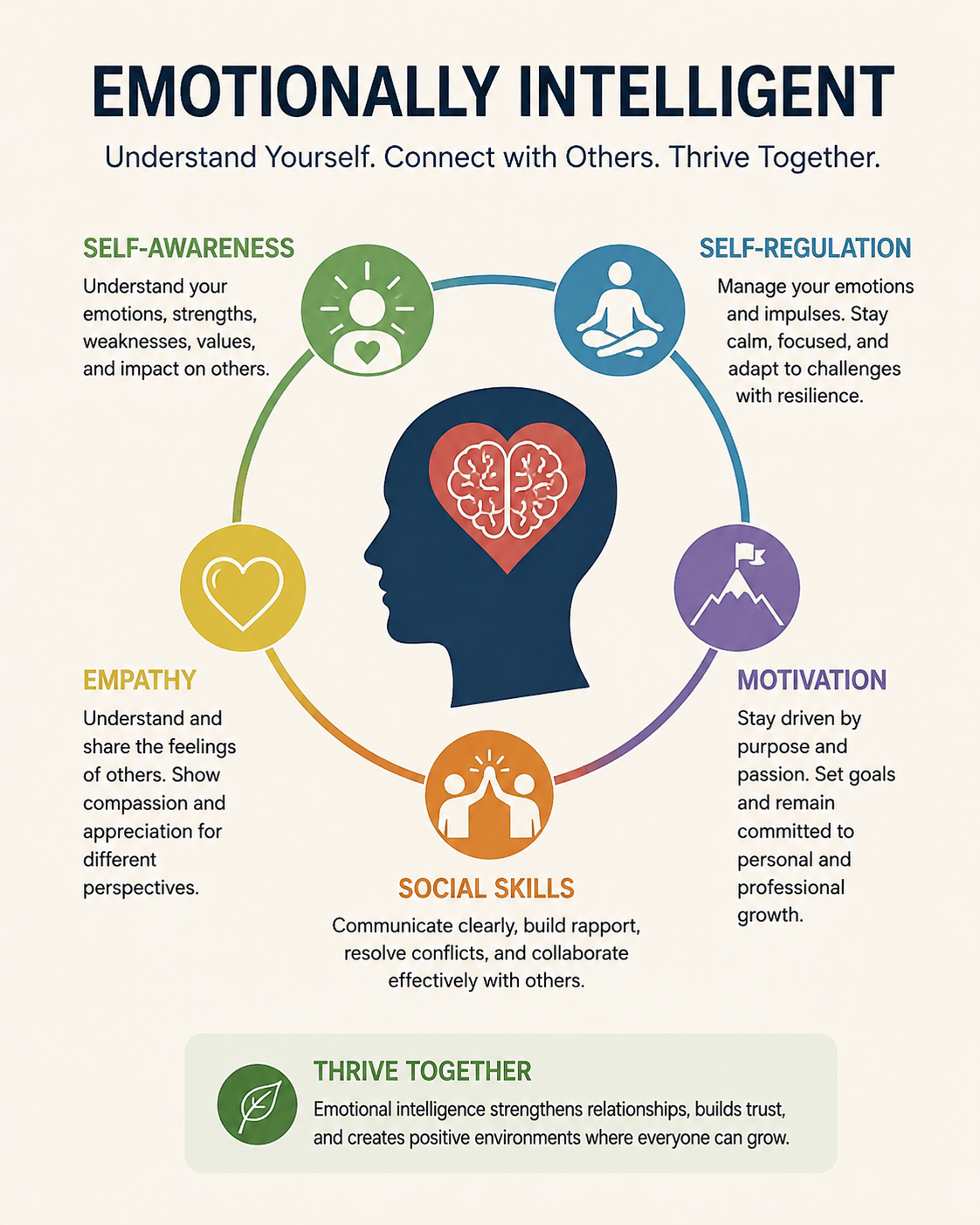

In this comprehensive guide, we will explore the root causes of our discontent, how to navigate the heaviest burdens, and actionable ways to embrace self-improvement and emotional strength.