Effects of Bullying on Teen Mental Health
- Identify and weave target keywords naturally into headings and body copy.
- Structure the article with clear H2/H3 hierarchy and SEO-friendly language.
- Provide actionable guidance for parents, educators, and teens with examples.
- Cite reputable sources and include relevant statistics for credibility.
- Recommend prevention strategies and concrete next steps for readers.
Understanding the Effects of Bullying on Teen Mental Health

Bullying is a common but serious problem for adolescents in schools and online. For English-speaking families and educators, understanding the mental health effects of bullying is essential to keep teens safe, supported, and on track academically and socially. This guide explains what counts as bullying, how to spot it, the short- and long-term effects, and practical steps for how to talk to teens about bullying, supporting bullied teens, and implementing bullying prevention strategies for schools.
The Scope of Teen Bullying and Why It Matters
What counts as bullying: types and examples
Bullying is unwanted aggressive behavior that involves a power imbalance and is repeated or likely to be repeated. Common forms include:
- Physical bullying: hitting, pushing, or damaging property.
- Verbal bullying: name-calling, threats, taunts.
- Social (relational) bullying: exclusion, rumor-spreading, public humiliation.
- Cyberbullying: harassing texts, social media shaming, doxxing.
Modern dynamics amplify these harms. A hurtful message posted at school can be reshared across platforms, and the 24/7 nature of social media can prolong distress. For example, a teen excluded in class may also be the subject of a viral group chat mocking their appearance—combining social and cyberbullying.
Prevalence and demographics
Bullying affects teens across communities, but some groups face higher risk:
- Approximately 1 in 5 students report being bullied at school (estimates from sources such as StopBullying.gov and education surveys).
- Students who are lesbian, gay, bisexual, transgender, or questioning (LGBTQ+) often report higher rates of victimization.
- Teens with disabilities or visible differences frequently experience elevated bullying.
- Bullying commonly occurs in school settings—classrooms, hallways, and buses—and increasingly online.
Regional differences exist (school climate, policies, and internet access vary), but the cross-cutting trend is clear: bullying is widespread and often multifaceted.
Why mental health effects of bullying demand attention
Bullying can cause immediate distress and has the potential to create long-term psychological harm:
- Short-term: acute stress, social withdrawal, sleep disruption, and drops in academic performance.
- Long-term: chronic depression, anxiety disorders, post-traumatic stress symptoms, substance use, and increased risk of suicidal ideation.
The connection between bullying impact on mental health and academic or social outcomes is well documented: bullied teens may miss school, disengage from learning, or avoid social situations—affecting life-course trajectories such as career and higher education.
“Bullying is not a normal rite of passage; it is an adverse experience with measurable health effects.” — synthesis from > National Academies of Sciences, Engineering, and Medicine, 2016
Recognizing Bullying Signs in Teens
Recognizing bullying signs in teens early enables quicker support and intervention.
Behavioral and emotional indicators
Watch for:
- Sudden mood changes: increased irritability or tearfulness.
- Social withdrawal: avoiding friends, skipping activities they once enjoyed.
- Heightened anxiety: panic attacks, frequent worry about school or social events.
- Depressive signs: persistent sadness, hopelessness, loss of interest.

These behaviors can signal that someone is struggling with peer victimization or related stress.
Physical and academic warning signs
Bullying can show up in physical and school-related ways:
- Changes in sleep or appetite; frequent headaches or stomachaches.
- Unexplained bruises or torn clothing.
- Declining grades, missing school, or request to change classes.
- Reluctance to use devices or sudden secrecy about phone/computer use.
A pattern—rather than a single occurrence—should raise concern.
How to differentiate normal teen behavior from concerning signs
Teens naturally fluctuate in mood and independence. To distinguish what’s typical from what’s concerning, consider:
- Frequency and duration: Is the behavior new and persistent for several weeks?
- Context: Does the teen link changes to bullying or show fear around specific peers or settings?
- Functional impact: Are they falling behind in school, avoiding friends, or reporting physical symptoms tied to stress?
If a pattern matches the warning signs above, this suggests a need to explore possible bullying and provide support.
Short- and Long-term Effects of Bullying on Teens
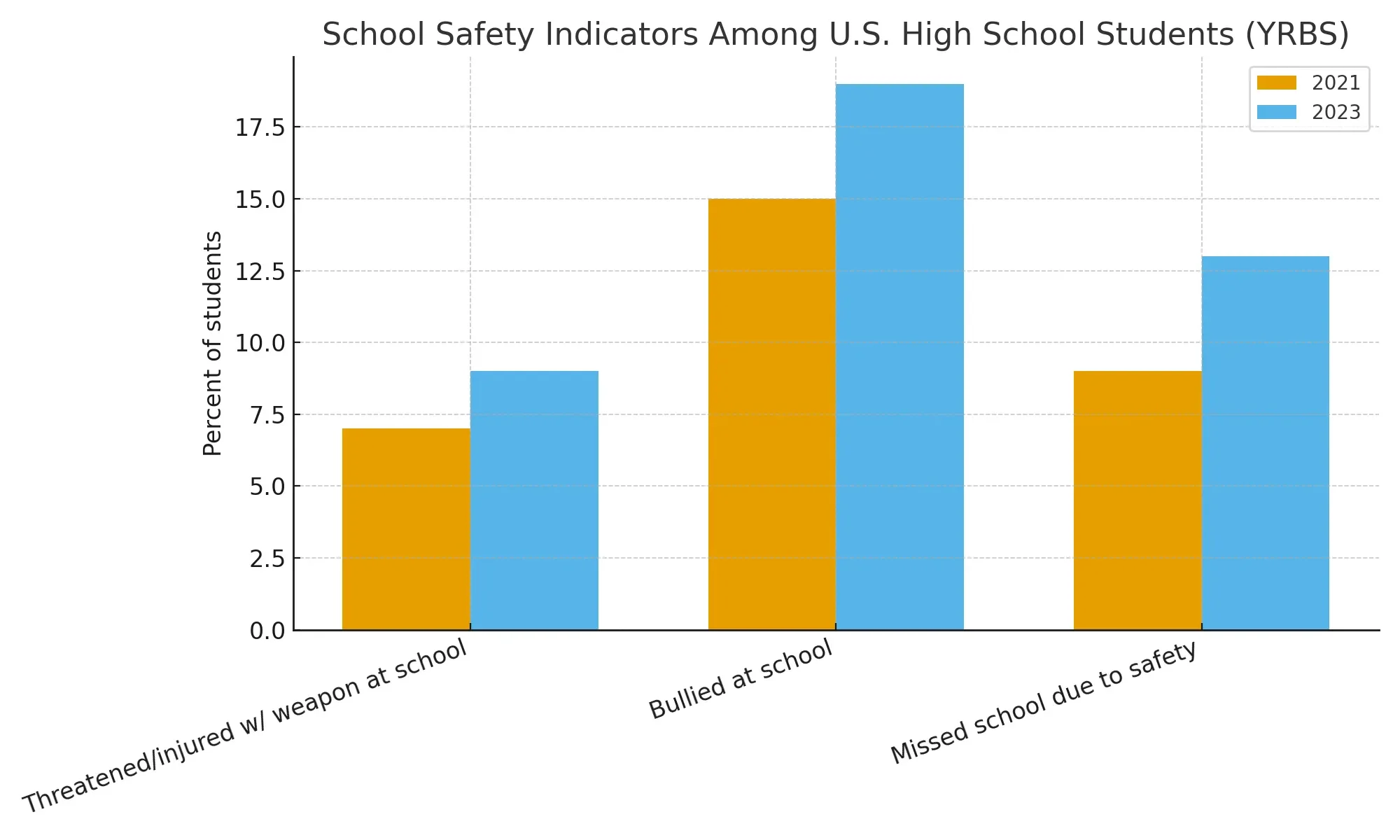
Understanding the spectrum of consequences helps shape appropriate responses.
Immediate mental health effects of bullying
Short-term effects include:
- Acute stress responses and panic attacks.
- Drop in self-esteem and feelings of shame or humiliation.
- Social isolation due to fear of further harassment.
- Sleep disruption and concentration problems.
These can quickly impair day-to-day functioning—homework, friendships, and family interactions may suffer.
Long-term effects of bullying on teens
The long-term effects of bullying on teens can be significant:
- Chronic depression and generalized anxiety disorder.
- Post-traumatic stress disorder (PTSD)-like symptoms, particularly in repeated or severe harassment.
- Elevated risk of suicidal thoughts and behaviors; bullied adolescents report higher rates of suicidal ideation than peers not bullied (CDC Youth Risk Behavior Survey).
- Increased likelihood of substance use as a coping mechanism.
- Lasting impacts on self-worth and interpersonal trust into adulthood.
A longitudinal perspective shows that victimization in adolescence can predict poorer mental health and socioeconomic outcomes later in life.
Developmental and life-course impacts
Bullying can alter developmental pathways:
- Interpersonal trust: victims may be less likely to form close relationships or may avoid social risk-taking.
- Educational attainment: chronic absenteeism or disengagement can reduce graduation rates and limit career options.
- Adult mental health: early trauma from bullying may predispose individuals to depressive and anxiety disorders as adults.
Prevention and early support can mitigate these ripple effects.
How to Talk to Teens About Bullying
Helping teens talk about their experiences builds safety and resilience.
Starting the conversation: dos and don’ts
Do:
- Create a calm, private moment to talk—invite them gently.
- Ask open-ended questions: “Can you tell me what happened at school today?”
- Validate feelings: “That sounds really painful; I’m glad you told me.”
- Offer choices and involve them in decisions.
Don’t:
- Minimize their experience ("Kids will be kids") or immediately lecture.
- Demand details before they’re ready; pressuring can shut them down.
- React with anger toward their peers in ways that increase shame or isolation.
Age-appropriate approaches for different teen ages
Tweens (10–13):
- Use simple, concrete language.
- Role-play phrases to use with peers or adults at school.
- Offer immediate safety steps (sit with a trusted adult at lunch).
Older adolescents (14–18):
- Respect growing autonomy; discuss options and consequences.
- Explore online safety measures and reporting tools.
- Collaborate on a plan, ensuring they feel agency in the process.
For all ages, maintain a supportive tone and check in regularly.
Coaching teens to advocate for themselves and peers
Teach practical strategies:
- Safe boundary-setting: “I don’t like that. Stop.”
- How to document incidents: save messages, take screenshots with timestamps.
- Reporting options: how to file a complaint with school administration or platform providers.
- Bystander intervention: safe ways to support peers (distract, report, check in).
Example role-play script for a teen to practice:
Teen: "When you said that about my jacket, it really hurt me. Please stop."
If they continue: "I'm going to tell a teacher if you don't stop."
Document: Take a screenshot and tell a trusted adult.
Role-playing helps teens rehearse responses and feel prepared.
Supporting Bullied Teens: Practical Steps for Parents and Schools
Support should be immediate, practical, and sustained.
Immediate support at home
- Emotional validation: Acknowledge feelings—“You’re not overreacting; this matters.”
- Safety planning: Identify safe adults at school, plan travel arrangements, set up check-ins.
- Documentation: Keep records of text/social posts, dates, and witnesses.
- Professional help: Consider counseling if there are signs of anxiety, depression, or suicidal thoughts. For crisis support in the U.S., call or text 988 for the Suicide & Crisis Lifeline.
If you suspect imminent danger or self-harm, seek emergency help immediately.
School-based support and accommodations
Work with school staff to secure practical changes:
- Meet with counselors or administrators to create an individualized safety plan.
- Request supervision during high-risk times (arrival, lunch, dismissal).
- Explore academic accommodations: extensions, seating changes, or temporary remote learning if needed.
- Use formal reporting channels and follow up—schools typically must investigate complaints under anti-bullying policies.
Encourage schools to use restorative practices to repair harm where appropriate and hold students accountable.
Community and professional resources
- Hotlines and crisis lines: 988 in the U.S.; check local equivalents in other English-speaking countries.
- Therapists and school counselors trained in adolescent trauma and CBT.
- Peer support groups and community youth programs focused on resilience and social skills.
- Online resources: StopBullying.gov, CDC bullying information.
Finding help: Ask school counselors for referrals, consult primary care providers, or search directories from professional organizations (e.g., American Psychological Association).
Bullying Prevention Strategies for Schools
Prevention is a whole-school effort combining policy, education, and monitoring.
Universal prevention programs and school climate initiatives
Effective universal strategies:
- Social-emotional learning (SEL) curricula that teach empathy, emotion regulation, and conflict resolution.
- Whole-school campaigns to promote inclusion and respect.
- Restorative justice practices that focus on repairing relationships rather than solely punishing.
Research indicates that comprehensive programs that change school climate reduce bullying more than isolated interventions.
Targeted interventions for at-risk students
For students who are victims or frequent perpetrators:
- Mentoring programs to provide consistent adult support.
- Small-group or individual counseling focused on social skills and coping.
- Behavior intervention plans and ongoing monitoring for students involved in repeated incidents.
Targeted support should be non-stigmatizing and integrated into broader school efforts.
Policies, training, and monitoring to reduce recurrence
Key policy components:
- Clear reporting protocols that protect confidentiality and prevent retaliation.
- Staff training on recognizing and responding to bullying, including cyberbullying and restorative approaches.
- Data collection: track incidents, outcomes, and perceptions of safety to measure effectiveness.
Regular evaluation helps schools adjust strategies and demonstrate accountability to families and the community.
Conclusion
Key takeaways on bullying impact on mental health
- Bullying—physical, verbal, social, and cyber—has clear and measurable mental health effects.
- Short-term effects include stress, social withdrawal, and academic decline; long-term effects can include chronic depression, anxiety, PTSD-like symptoms, and increased suicide risk.
- Early recognition and support can substantially reduce harm and improve outcomes.
Action steps for parents, educators, and teens
Parents:
- Learn about recognizing bullying signs in teens; validate feelings and create a safety plan.
- Document incidents and connect with school staff and mental health providers as needed.
Educators:
- Implement and evaluate bullying prevention strategies for schools, including SEL and staff training.
- Provide accommodations and targeted interventions for affected students.
Teens:
- Practice how to talk to teens about bullying by rehearsing responses and documentation habits.
- Use trusted adults, reporting tools, and peer-support strategies to advocate for safety.
Call to prioritize mental health and sustained prevention
Bullying prevention is a long-term commitment that requires families, schools, and communities to work together. Prioritize mental health by adopting evidence-based policies, training staff, supporting bullied teens promptly, and building inclusive school climates. If you’re a parent or educator reading this, take one immediate step today: open a non-judgmental conversation with your teen or review your school’s anti-bullying policy. For urgent support, use local crisis resources—if in the U.S., dial or text 988.
Further reading and trusted sources:
- StopBullying.gov — Federal information on bullying prevention
- Centers for Disease Control and Prevention — Youth Bullying
- National Academies — Preventing Bullying Through Science, Policy, and Practice (2016)
Take action: listen, document, connect, and advocate—together we can reduce the bullying impact on mental health for teens.