Why Peer Connections Matter for Teens
- Summarize what the article will cover and why it matters for teens, families, and schools.
- Explain how peers influence teen mental health with evidence and real-world examples.
- Provide practical guidance for supporting teens through peers and building peer support networks.
- Describe training models, tools, evaluation methods, and safety/ethical safeguards.
- Offer clear next steps, resources, and links for schools, caregivers, and teens.
The Importance of Peer Support in Teen Mental Health
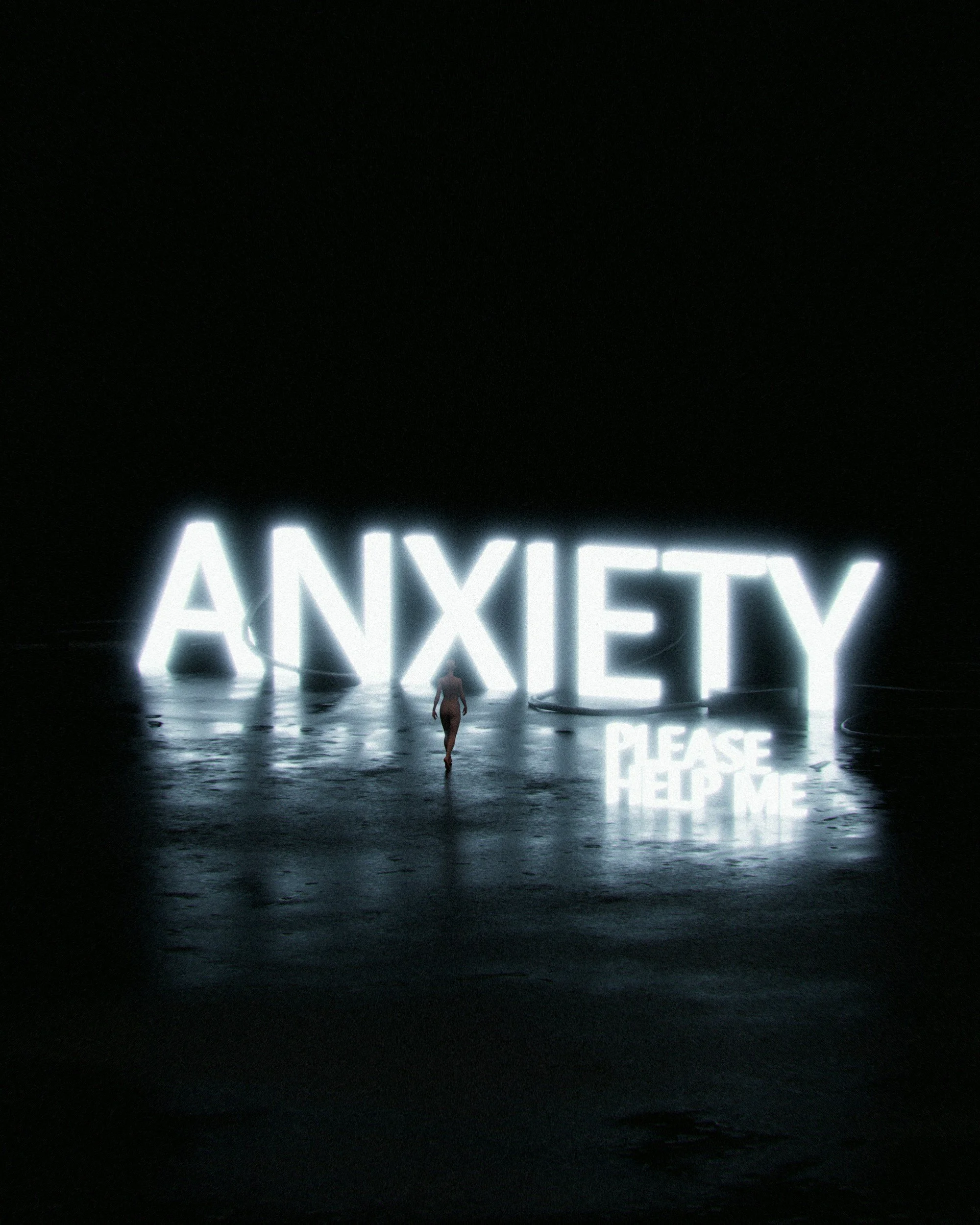
Introduction: Why Peer Connections Matter for Teens
Defining peer support and its role in adolescent development
Peer support teen mental health refers to emotional, social, and practical support provided by adolescents to one another. During the teen years, relationships with peers become central to identity formation, social skills development, and emotional regulation. The importance of peer support lies in peers’ unique ability to offer validation, shared experience, and accessible day-to-day help that adults may not provide.
Peers help teens practice communication, conflict resolution, and empathy—skills that carry into adulthood. When harnessed intentionally, peer relationships become protective factors that can reduce isolation, increase resilience, and encourage help-seeking.
Overview of teen mental health challenges today
Adolescents today face rising mental health needs. For example:
- The CDC reported that in 2021 about 44% of U.S. high school students felt persistently sad or hopeless during the previous year, an increase compared with earlier years. (CDC Youth Risk Behavior Surveillance)
- Globally, the World Health Organization notes that mental health conditions account for a significant proportion of illness and disability among adolescents; suicide is a leading cause of death in youth aged 15–29. (WHO)
These trends make the question of how peers affect teen health critical: peers can be both a risk (bullying, social pressure) and a lifeline (empathy, support networks).
What this article will cover
This article will explore:
- Why the importance of peer support for adolescents is growing
- Evidence on peer influence on mental health and how peers affect teen health
- Practical guidance for supporting teens through peers and building peer support networks
- Peer support strategies for teens, training approaches, measurement tools, and how to manage risks
The Influence of Peers on Teen Mental Health
Positive and negative peer influence on mental health
Peer influence on mental health can be a double-edged sword.
Positive influences:
- Emotional validation and companionship reduce loneliness and depressive symptoms.
- Modeling healthy coping (e.g., talking about feelings, using therapy) encourages help-seeking.
- Cooperative peer groups bolster resilience and school engagement.
Negative influences:
- Bullying, exclusion, and peer pressure increase anxiety, depression, and risky behaviors.
- Social comparison, particularly on social media, can worsen self-esteem and body image issues.
- Peer norms that discourage help-seeking can delay professional treatment.
How peers affect teen health: mechanisms and examples
Key mechanisms include:
- Social learning: Teens imitate behaviors observed in friends—if peers talk openly about mental health and seek help, others are more likely to follow.
- Emotional contagion: Mood and stress often spread through social networks; one anxious or depressed peer can influence group mood.
- Support dynamics: Tangible help (e.g., accompanying a friend to school) and intangible help (active listening) provide different protective effects.
Examples:
- A high school friend who regularly checks in after a teacher assigns a stressful project can reduce acute stress and prevent rumination.
- A peer network that trivializes therapy may discourage others from accessing needed care, increasing untreated depression rates.
Research evidence linking peer relationships to outcomes
Research shows robust links between peer relationships and mental health outcomes:
- Adolescents with strong supportive friendships show lower rates of depression and higher resilience (e.g., longitudinal studies summarized by the American Psychological Association).
- School-based peer support and mentoring programs have been associated with improvements in emotional well-being, attendance, and reduced behavioral problems (systematic reviews and education reports).
- Conversely, chronic peer victimization is a well-established risk factor for anxiety, depression, and suicidal ideation (CDC; peer-reviewed journals).
For further reading, see resources from CDC: Youth Mental Health, [WHO: Adolescent Mental Health][1], and the [American Psychological Association][2].
Building Peer Support Networks for Teens
Principles of effective peer support networks
When building peer support networks, follow these principles:
- Safety first: Clear rules for confidentiality, boundaries, and reporting mechanisms.
- Inclusivity: Design networks to welcome diverse backgrounds, identities, and experiences.
- Training: Equip peers with basic skills—active listening, empathy, crisis recognition.
- Structure with flexibility: Mix formal and informal supports to meet varying needs.
- Adult oversight: Maintain adult supervision that supports but does not dominate peer roles.
- Accessibility: Ensure supports are easy to access in-school and online.
These principles guide sustainable, ethical, and effective initiatives focused on supporting teens through peers.
Formal vs. informal peer networks: school clubs, mentoring, friend groups
Compare formats:
Formal programs (school-based peer mentoring, peer support groups)
- Pros: Training, clear protocols, measurable outcomes.
- Cons: Requires funding, scheduling, and adult supervision.
- Example: A school peer-mentoring program where trained upperclassmen support freshmen transitions.
Informal networks (friend groups, student-created clubs)
- Pros: Organic trust, accessibility, high buy-in.
- Cons: Less consistent boundaries and safety safeguards.
- Example: A student-run “wellness lunch” group that checks in weekly.
Best practice: blend both. Formal programs can provide training and safety; informal groups provide authenticity and day-to-day connection.
Inclusive and safe network design
Design with these elements:
- Diversity and representation: Recruit peer supporters from varied cultural, socioeconomic, and gender backgrounds.
- Confidentiality rules: Set clear limits—what is private and when adults must be informed (mandatory reporting).
- Safe spaces: Provide neutral meeting spots and online moderation.
- Accessibility accommodations: Consider language needs, mobility, and neurodiversity.
Quote to consider:
“Peer support is most effective when it is both authentic and safeguarded—teens must trust peers and trust the structure that protects them.”
Peer Support Strategies for Teens and Caregivers
Practical peer support strategies for teens
Actionable strategies teens can use:
- Practice active listening: Ask open questions, reflect feelings, and avoid immediate judgment.
- Use the “3 Cs”: Check in, Calm the person (breathing or grounding), Connect them to help if needed.
- Normalize help-seeking: Share personal positive experiences with counseling or coping strategies.
- Build small rituals: Weekly check-ins with friends, study groups to reduce academic stress.
- Peer boundary-setting: Be honest about what you can and cannot support; encourage professional help when needed.
Example scenario:
- Friend A notices Friend B withdrawing. A reaches out: “You seem quiet lately; I’m worried. Do you want to hang out or talk?” This approach opens a door without pressuring.
Guidance for parents, teachers, and counselors
Adults should:
- Facilitate, don't replace: Train and enable peer support while remaining available for escalation.
- Offer training and supervision: Provide evidence-based teen training on listening and crisis recognition.
- Model help-seeking behavior: Share that seeking therapy is normal and healthy.
- Recognize limits: Know warning signs that require professional intervention—self-harm, suicidal ideation, severe substance use, or rapid functional decline.
Key signs to escalate include:
- Persistent hopelessness or talk of suicide
- Marked behavioral change at school or home
- Self-harm or dangerous coping strategies
Resources for adults: [SAMHSA: Suicide Prevention][3], [NIMH][4].
Digital peer support: opportunities and risks
Opportunities:
- Reach: Online communities allow isolated teens to find peers across geographies.
- Anonymity: Can help teens disclose sensitive issues they won’t address in person.
- Peer-moderated apps (with oversight) can provide ongoing check-ins.
Risks:
- Privacy and moderation: Platforms without moderation can amplify harmful content.
- Cyberbullying: Digital spaces can intensify peer harm.
- Misinformation: Untrained peers may give unsafe advice.
Best practices:
- Use vetted platforms (e.g., [Crisis Text Line][5], moderated youth forums).
- Teach digital literacy: Recognize red flags and where to seek professional help.
- Combine online supports with offline supervision.
Training and Tools to Strengthen Peer Support
Peer-led programs and training models
Models that work:
- Peer mentoring: Older students mentor younger students with a structured curriculum.
- Peer support groups: Themed groups (grief, anxiety, LGBTQ+ support) led by trained peers.
- Youth Advisory Boards: Teens plan and evaluate mental health initiatives, fostering ownership.
Training components:
- Orientation to roles and limits
- Confidentiality and reporting policy
- Practice sessions and role-play
- Ongoing supervision and refresher training
Example program: A 6-week peer-support curriculum that covers listening, boundaries, crisis recognition, and referral pathways.
Skills development: active listening, empathy, crisis recognition
Essential competencies:
- Active listening: Paraphrasing, reflecting, and asking clarifying questions.
- Empathy: Validating emotions without offering immediate solutions.
- Safety assessment: Asking direct questions about self-harm; understanding local crisis resources.
- Referral skills: Knowing when and how to connect peers with counselors or emergency services.
Sample training checklist (code block for facilitator use):
Peer Support Training Agenda (2.5 hours)
- 0:00–0:15: Welcome and confidentiality norms
- 0:15–0:45: Active listening practice (role-plays)
- 0:45–1:15: Understanding boundaries and self-care
- 1:15–1:45: Recognizing crisis signs and mandatory reporting
- 1:45–2:15: Referral pathways and local resources
- 2:15–2:30: Feedback and next steps
Measuring impact and iterating programs
Evaluation methods:
- Pre/post surveys on well-being and help-seeking attitudes
- Attendance and referral metrics (how often peers refer to counselors)
- Qualitative feedback from teens and staff
- Outcome indicators: reduced absenteeism, improved self-reported coping skills
Iterate using Plan-Do-Study-Act (PDSA) cycles and involve youth in evaluation to ensure programs remain relevant and culturally competent.
Addressing Challenges and Risks
When peer influence is harmful: bullying, exclusion, pressure
Signs of harmful peer influence:
- Persistent bullying or social exclusion
- Pressure to use substances or engage in dangerous behaviors
- Group norms that normalize silence around mental health
Interventions:
- Anti-bullying policies with clear enforcement
- Restorative practices that repair relationships
- Targeted programs for at-risk students
Balancing peer support with professional help
Peers are not therapists. Balance by:
- Establishing clear referral pathways to school counselors, psychologists, and community mental health services.
- Training peers to recognize crisis signs and refer immediately.
- Encouraging stepped-care: peer support as first-line low-intensity help, professional care for moderate-to-severe needs.
Example referral protocol:
- Peer identifies risk.
- Peer informs supervising adult.
- Adult contacts parent/guardian as policy requires and arranges professional assessment.
Legal, ethical, and confidentiality considerations
Key points:
- Mandatory reporting laws vary by jurisdiction—train peers and adults on local legal obligations.
- Confidentiality should be emphasized, but limits (harm to self/others) must be clear.
- Consent and parental involvement: establish policies on whether parents are notified and under what circumstances.
Consult legal and ethical guidance from local education authorities and health departments before implementing programs.
Conclusion: Strengthening Teen Mental Health Through Peers
Recap of the importance of peer support and key takeaways
Peer support teen mental health is a vital complement to professional services. The importance of peer support lies in peers’ daily access, authenticity, and power to normalize help-seeking. But because peer influence on mental health can go both ways, thoughtful design, training, oversight, and measurement are essential.
Key takeaways:
- Peers can reduce loneliness and encourage help-seeking when trained and supported.
- Build both formal and informal supports for resilience and accessibility.
- Train teens in active listening, boundaries, and crisis recognition.
- Use digital tools carefully and ensure safety and moderation.
Practical next steps for schools, families, and teens
For schools:
- Pilot a trained peer-mentoring program with clear protocols and evaluation metrics.
- Provide staff training on supervising peer supports and making referrals.
For families:
- Encourage open conversations about mental health and normalize help-seeking.
- Support teen participation in structured peer programs and monitor online activity.
For teens:
- Learn active listening and self-care techniques.
- Start or join supportive clubs or moderated online forums.
- Speak up when you or a friend need adult help.
Resources and further reading
* Centers for Disease Control and Prevention — Youth Mental Health:
- World Health Organization — Adolescent Mental Health:
- National Institute of Mental Health (NIMH)
- Substance Abuse and Mental Health Services Administration (SAMHSA):
- Crisis Text Line:
- National Alliance on Mental Illness (NAMI
- YoungMinds (UK): [][13]
- Kids Help Phone (Canada): [][15]
If you’d like, I can:
- Draft a sample peer support curriculum tailored to a high school or community center.
- Create a parent/teacher one-page checklist for recognizing when to escalate to professionals.
- Provide a template evaluation survey to measure program impact.
Call to action: Start a conversation in your school or community this week—share one idea from this article with a counselor or youth leader and ask how you can help build safer, stronger peer support networks for teens.