The Fear of Bridges
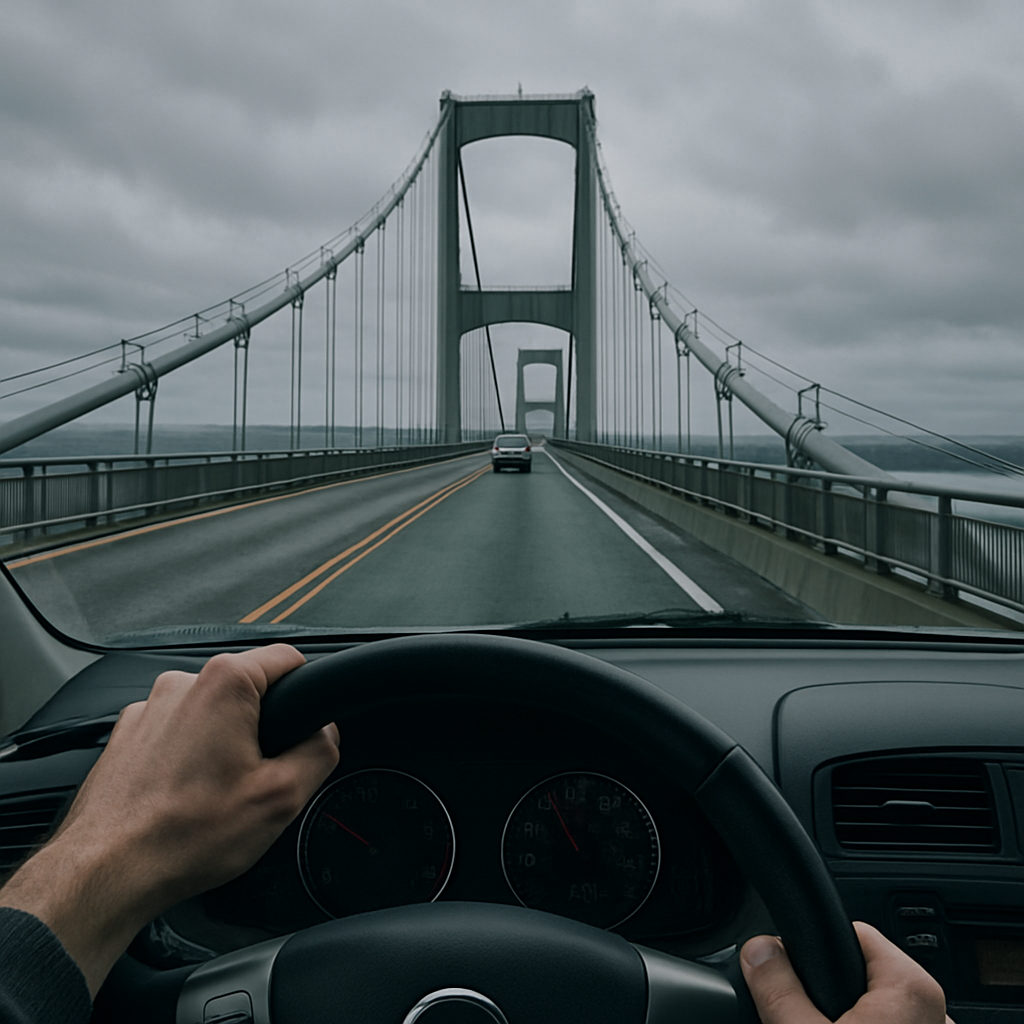
Gephyrophobia — Fear of Driving Over Bridges
Most people would never guess how much courage it takes for some individuals to drive across a bridge. They think of bridges as simple structures — a matter of concrete, steel, and engineering. What is intense fear of bridges called? gephyrophobia: a test of self-control. A moment where mind and body collide. A space where anxiety feels stronger with height, distance, or exposure.
Bridges that bring terror to people:
Chesapeake Bay Bridge
Mississippi River Bridge in Baton Rouge
Galveston Bay Bridge
Loop 610 Bridge Over The Houston Ship Channel
Which of the following is true about driving over bridges, especially challenging is that the world doesn’t talk about it much. People will openly mention fear of spiders or public speaking. But say, “I’m afraid to drive over bridges,” and responses often range from polite confusion to outright misunderstanding.
And yet, the fear is real — painfully real — for millions.
This article is not just about defining the phobia. It’s about understanding the lived experience, exploring the emotional layers behind the fear. Talking openly about what the journey toward ease actually feels like.
I. What It’s Really Like to Have Fear Of Driving Over a Bridge
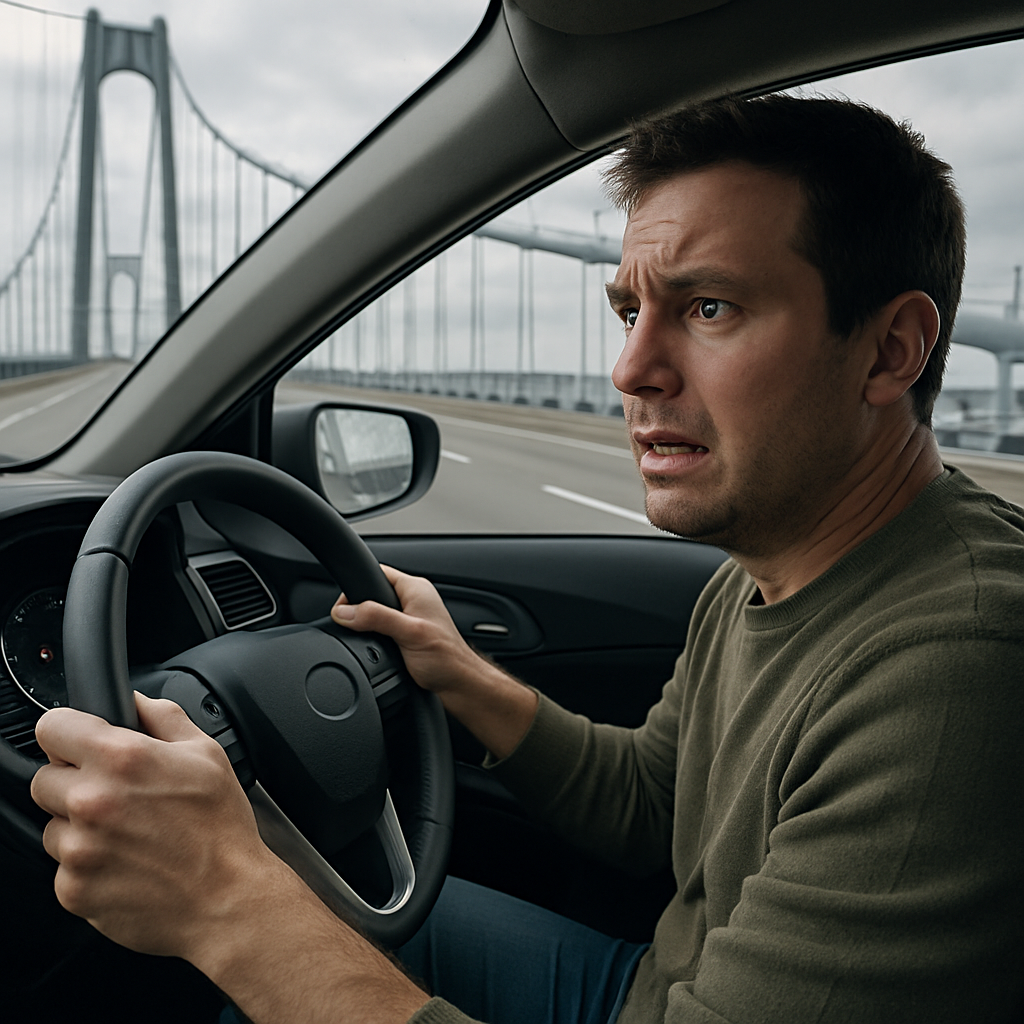
phobia of bridges
Someone without this fear might think: “It’s just a bridge. You can drive across it.”
But for someone with gephyrophobia, the experience can feel like this:
You’re approaching the bridge. Your heart races.
You know it’s coming. Maybe you saw it on the GPS, or you know the route by heart.
Your palms start to sweat before you even reach the incline, heart races.
Your mind starts calculating:
What if I lose control?
What if I freeze?
What if something happens and I can’t get off the bridge?
What if the height is too much?
It doesn’t matter how many times you’ve crossed that same bridge. The fear of driving over it can feel new each time. And when you’re actually on the bridge, something changes. The world gets narrower. The edges feel closer. The height feels higher. Your heart pounds. Your breathing shortens. You grip the wheel like it’s your anchor to Earth.
Logically, you know the bridge is safe.
Emotionally, your body tells a different story.
This gap — between logic and fear — is where gephyrophobia lives.
II. Why the fear of bridges phobia Feels “Irrational” Yet So Convincing?
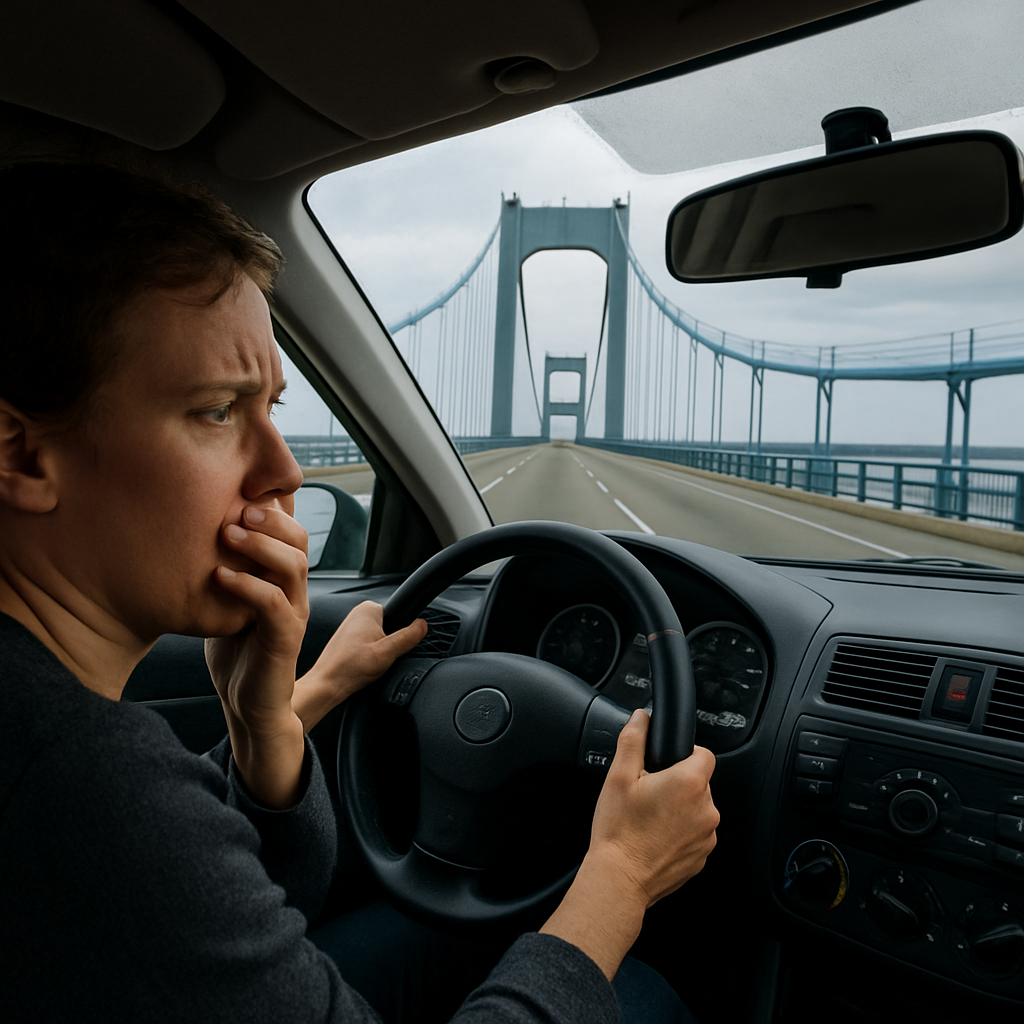
People with fear of crossing a bridge often say:
“I know it’s safe. I know it’s silly. I know the bridge isn’t going to collapse.
But knowing doesn’t stop the panic.”
This is because the fear isn’t operating in the logical part of the brain.
It’s coming from the amygdala, which responds in primitive, protective reflexes.
To the subconscious mind, a bridge may represent:
What if I lose control?
What if I freeze?
What if something happens and I can’t get off the bridge?
What if the height is too much?
The amygdala doesn’t debate — it reacts.
And once your body thinks you’re in danger, your heart rate, breathing, muscles, and senses shift into survival mode.
This is why driving over a bridge anxiety feels so physical.
The body is simply doing what it’s designed to do — just at the wrong moment.
III. The Emotional Layer: What Fear Of Bridges Means To People
For many, gephyrophobia isn’t only about bridges. It’s about what bridges represent.
1. The Fear of Losing Control
This is one of the deepest roots of the phobia.
While crossing a bridge:
you can’t pull over,
you can’t turn around,
you can’t slow to a stop without danger,
and you feel responsible not just for yourself but for everyone behind you.
That sense of “no escape” can trigger panic even before the bridge is visible.
2. The Fear of Causing an Accident
Many people fear having a panic attack on the bridge itself, not the bridge collapsing.
The fear becomes:
“What if I faint?”
“What if I freeze?”
“What if I steer wrong?”
“What if I panic and can’t control the car?”
It’s about trust — or rather, losing trust in one’s own body.
3. The Fear of Height and Depth
For those with acrophobia or thalassophobia, the visual of the drop or water below amplifies everything. Even if the bridge is safe, the perception of vulnerability is magnified.
4. The Shame of the Fear Itself
This fear is socially invisible.
People think fear of sharks or snakes is normal.
But fear of bridges? It feels embarrassing to admit.
And that creates emotional isolation — which deepens anxiety.
IV. How It Affects Daily Life (In Ways People Don’t See)
Fear Of Driving Over A Bridge fear shapes behavior quietly:
People reroute their entire commute.
They refuse job opportunities across the river.
They avoid visits to friends or family.
They ask others to drive them, feeling dependent.
They approach long trips with dread and planning anxiety.
They rehearse bridge crossings in their minds for days.
Some even experience a “fear-of-the-fear,” where the anticipation is worse than the crossing itself.
This isn’t “just a fear.”
It’s something that impacts freedom.
V. What Helps: Real Tools That People Actually Use
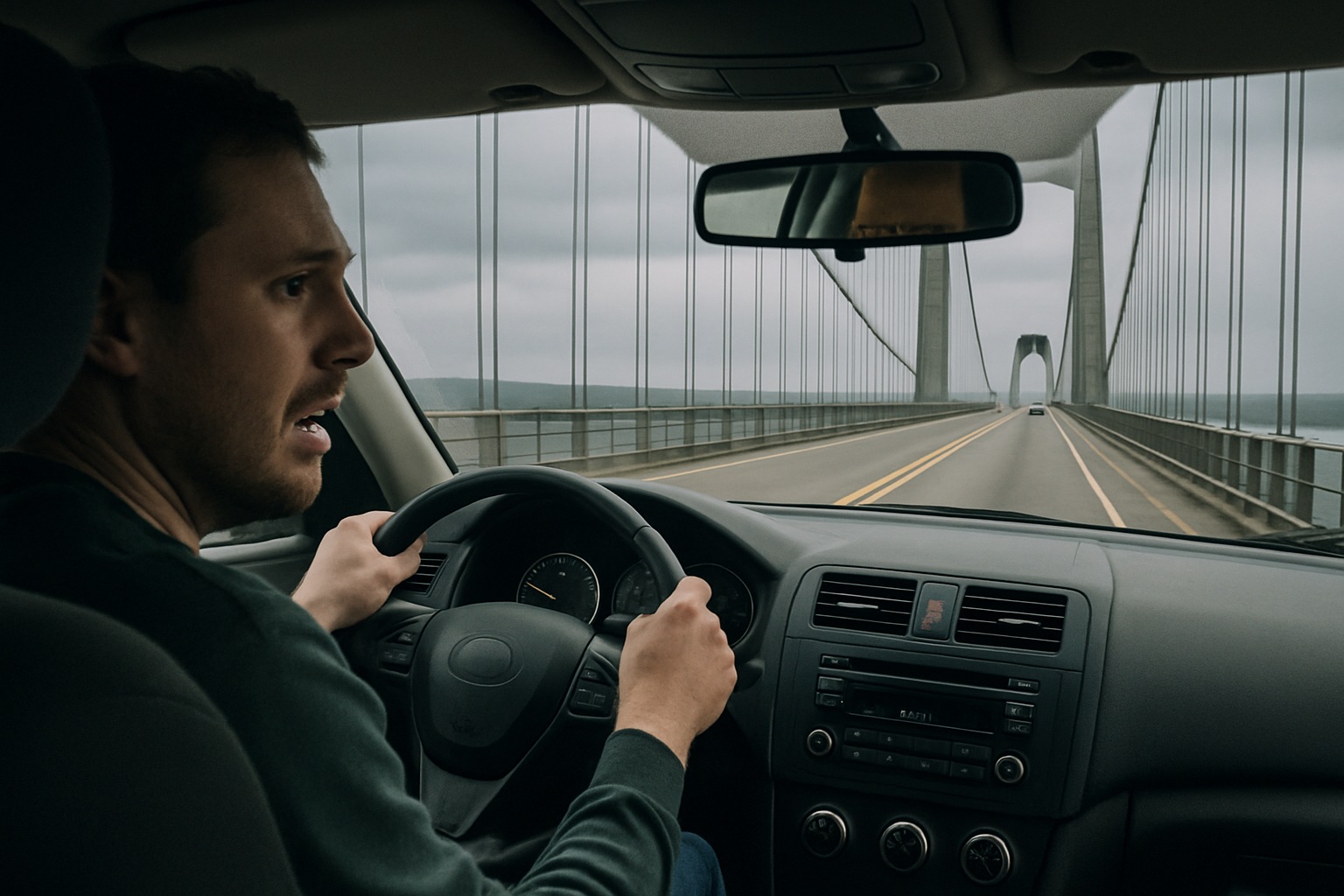
the bridge counseling center conroe
Now let’s talk solutions — not the clinical textbook kind, but the real-world kind that people swear by.
1. Breathing as a Steering Wheel for the Nervous System
Slow breathing doesn’t solve everything…
but during panic, it’s often the only tool you can control.
Box breathing, paced breathing, and breathing out longer than you breathe in can all send a gentle “stand down” message to the amygdala.
It doesn’t eliminate fear.
But it gives you a fighting chance to stay present.
2. Micro-Focusing: A Lifeline in Visual Overwhelm
Instead of taking in the whole height, the water, the beams, the openness…
Focus on:
the lane line,
the back of the vehicle ahead,
or a specific point on the road.
This isn’t avoidance — it’s channeling your attention into something stable and predictable.
3. Grounding Through Touch
Small touches—tapping fingers, relaxing your grip for a moment, or shifting posture—can anchor your brain when it feels overwhelmed.
The goal isn’t distraction.
The goal is connection to the body.
4. The Power of “Self-Talk That Sounds Like You”
Not generic affirmations — but real, believable lines such as:
“This is uncomfortable, but I can handle uncomfortable.”
“I only need to drive forward — nothing else.”
“This fear always peaks and then fades.”
“My anxious thoughts are loud, but they’re not facts.”
Self-talk works best when it’s honest and grounded.
5. Gradual Exposure, Done with Compassion
Exposure therapy gets a reputation for being intense.
But true exposure — especially for bridge fear — should be gentle.
It can start with:
looking at pictures
watching dashcam videos
sitting in the car near a bridge
crossing with a friend
crossing during low traffic
repeating small successes
The goal is to teach the brain safety, not force yourself to “tough it out.”
VI. The Recovery Journey: Not Linear, Not Fast, But Absolutely Possible
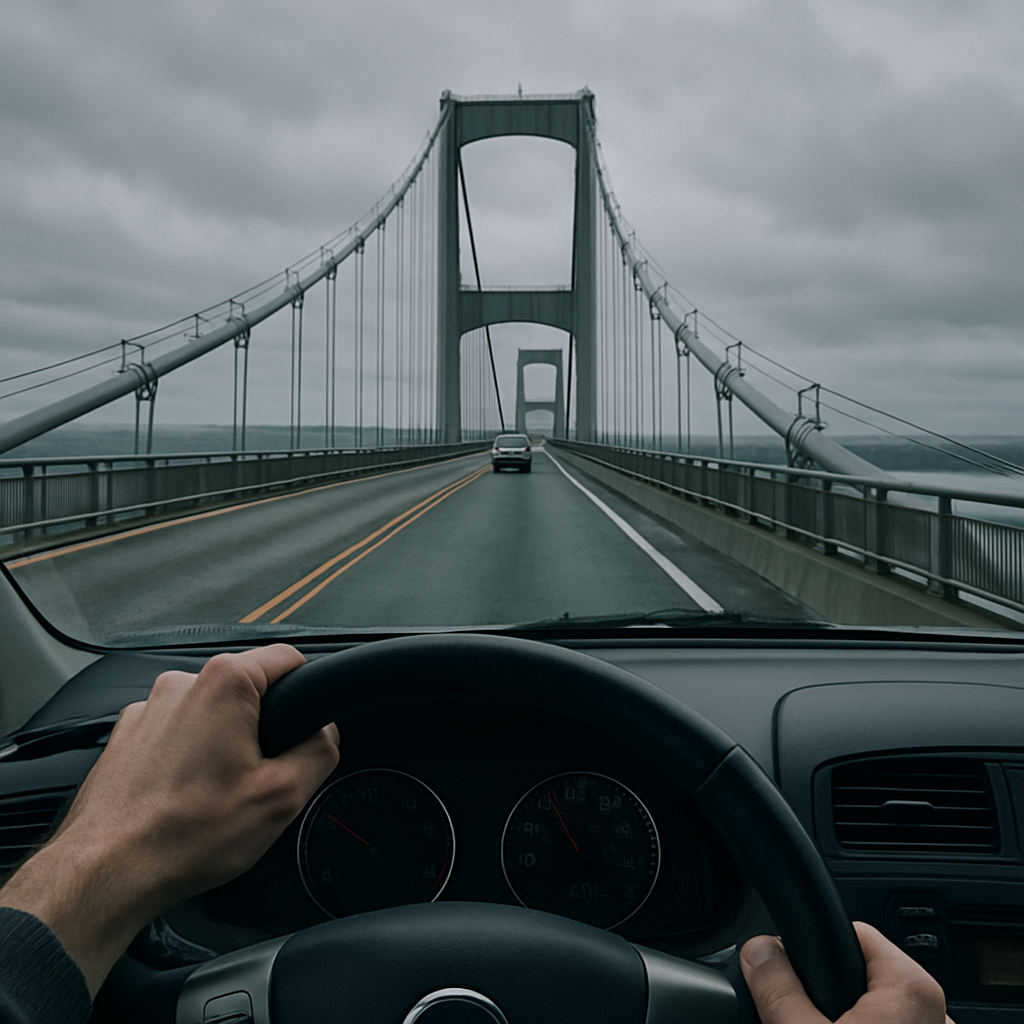
Title: Understanding the Fear of Bridges: Causes, Triggers, and How to Cope
For some people, driving across a bridge is just another part of the daily commute. For others, it can trigger intense fear, panic, and avoidance. The fear of bridges is more common than many people think.
It is sometimes linked to a broader anxiety disorder.
It can greatly affect a person’s quality of life.
What Is the Fear of Bridges?
The fear of bridges, often called gephyrophobia, is an irrational fear.
It can happen when crossing a bridge or even getting close to one. This fear can vary in severity, from mild discomfort to overwhelming panic attacks.
For example, large structures like the Mackinac Bridge Authority’s famous suspension bridge can trigger this phobia. Its massive bridge span and height can make it feel overwhelming.
Common Triggers
Several factors can intensify the fear of bridges, including:
Limited visibility due to fog, rain, or nighttime driving
Perceived instability or thoughts of a bridge collapse
High winds or movement felt while driving
Narrow lanes or lack of shoulders
Being stuck in traffic mid-span
These triggers can create a sense of being trapped, which heightens anxiety and reinforces avoidance behaviors.
Related Fears
The fear of bridges is often not isolated. Many individuals also experience:
Fear of tunnels, which similarly involves enclosed or confined spaces
Fear of heights (acrophobia)
Fear of driving (vehophobia)
These overlapping fears can make travel particularly challenging, especially in regions where bridges and tunnels are unavoidable.
Why Does This Fear Develop?
Like many phobias, fear of bridges can develop from:
A past traumatic experience
Learned behavior from others
Overexposure to news stories about accidents or structural failures
Generalized anxiety patterns
Even hearing about a rare bridge collapse can make the brain feel more danger. Modern bridges are still very safe by the numbers.
Coping Strategies
If you struggle with this fear, there are ways to manage it:
Gradual exposure: Start with smaller bridges before attempting larger ones
Controlled breathing: Helps calm the body during moments of panic
Professional help: Cognitive Behavioral Therapy (CBT) is highly effective
Driving assistance programs: Some areas offer escorted bridge crossings
In severe cases, working with a therapist specializing in anxiety disorder can provide structured techniques to reduce fear responses.
Final Thoughts
The fear of bridges is real and valid, even if it seems like an irrational fear to others. Whether it’s the height, the length of the bridge span, or the discomfort of limited visibility, it helps to know the cause. Understanding the root cause is the first step to overcoming it.
With the right tools and support, it’s possible to regain confidence and travel freely—bridges included.
Most people imagine recovery as a straight upward line.
In reality, it’s more like:
✔️ One good crossing
✔️ One shaky crossing
✔️ Another good one
✔️ A bad day
✔️ A better day
✔️ Then suddenly — progress sticks
Overcoming gephyrophobia isn’t about eliminating fear.
It’s about reducing its power and increasing your capacity to stay grounded.
Eventually, the bridge becomes a neutral experience.
Not fun, maybe — but no longer frightening.
And that is a victory worth celebrating.
VII. A Gentle Message for Anyone Struggling With This Fear
You’re not weak.
You’re not irrational.
You’re not “crazy.”
You have a brain that’s trying to protect you — a little too aggressively, maybe, but with good intentions.
And you’re not alone.
Millions feel exactly what you feel.
This fear can improve.
It can soften.
It can shrink.
It can even disappear.
And the fact that you're reading about it, learning about it, talking about it —
that means you’re already walking the bridge toward freedom.