
Performance Matters for Youth Sports Teams
In this article I wil:
- Identify core goals and ethical foundations for a safe, school-compliant hypnosis program where performance matters for youth sports teams.
- Define required consent elements and provide a clear, usable parent consent template sports hypnosis and youth sports hypnosis program consent.
- Provide a team-friendly protocol and policy guidance for coaches and schools, covering group sports hypnosis sessions for teens.
- Outline documentation, incident procedures, and administrative approvals needed for school implementation.
- Include sample session plans, a coach protocol, and a school policy checklist to support rollout and evaluation.
Why Performance Matters for Youth Sports Teams
Program Design, Consent, and School Policy
Young athletes succeed not just on strength and skill but on mindset. Reinforcing performance matters practices to be successful and to make a difference in team sports. In English-speaking school systems across the U.S., U.K., Canada, and Australia, integrating safe, evidence-informed mental techniques like youth athlete mental skills hypnosis can support focus, resilience, and consistent performance under pressure.
Program Purpose and Ethical Foundations
Defining performance hypnosis for young athletes
Performance matters foundation for young athletes is a structured, therapeutic-like set of guided mental skills interventions—delivered by qualified practitioners or integrated into sport psychology programming—designed to enhance concentration, confidence, and arousal control for athletic performance.
What performance hypnosis is and is not
- It is a guided, collaborative process using visualization, focused attention, relaxation, and suggestion to strengthen mental skills.
- It is not a form of mind control, a replacement for medical or psychological treatment, or a guarantee of wins.
- It does not replace evidence-based physical training, nutrition, or medical care; it complements them.
Benefits for youth athlete mental skills hypnosis (focus, confidence, stress management)
- Improved concentration during competition and training.
- Reduced pregame and performance anxiety.
- Consistent routines for arousal regulation and recovery.
- Reinforced positive self-talk and confidence-building imagery. Reinforcing why team performance matters.
- When integrated into broader mental skills work (goal-setting, self-monitoring), hypnosis techniques can accelerate skill automation and resilience. While emphasizing why individual performance mattefrs to the team.
Relevant context: there are about 7.9 million high school athletes in the United States (NFHS); coaches and administrators increasingly seek scalable, school-compliant mental skills supports. Meanwhile, the CDC reports about 1 in 6 U.S. youth aged 6–17 experience a mental health disorder each year, underscoring a need for mental-skill interventions that are safe and developmentally appropriate.
Ethical principles and youth protections why performance matters for the success of the team.
- Informed consent and assent basics: Parents/guardians must provide documented consent; adolescents should provide age-appropriate assent. Consent forms must state purpose, benefits, risks, opt-out procedures, and contact information for questions and emergencies.
- Confidentiality: Maintain privacy of session notes and disclosures per local education and health privacy laws (e.g., FERPA in U.S. public schools for educational records; HIPAA applies if a health provider outside school holds records).
- Scope of practice: Practitioners must work within their licensure (e.g., licensed psychologist, licensed counselor, certified clinical hypnotherapist where allowed). Schools should avoid unlicensed staff delivering therapeutic hypnosis outside clear training and oversight.
- Cultural sensitivity: Adapt language, imagery, and examples to reflect the cultural backgrounds of athletes; obtain interpreter support where needed.
Aligning with school values and athletics goals
- Match hypnosis objectives to team performance matters aims (e.g., improve free-throw concentration, reduce competition nerves).
- Communicate benefits to parents, coaches, and administrators through transparent materials: program overview, evidence summary, and FAQ.
- Position hypnosis as part of a broader mental-skills curriculum (alongside goal-setting, imagery, and relaxation).
"Transparency and documented consent are non-negotiable when working with minors—schools must treat hypnosis like any other school-based intervention."
Designing a Safe Youth Sports Hypnosis performance matters Program
Program structure and session formats
- Individual vs. group sports hypnosis sessions for teens
- Individual sessions: Tailored to athlete-specific issues; recommended when addressing anxiety disorders, trauma, or learning challenges—requires parental consent and a clinical practitioner.
- Group sessions: Efficient for teams; focus on general performance skills (focus routines, visualizations). Group sessions must avoid individual therapeutic depth and should reinforce universal skills.
- Typical session length, frequency, and progression
- Length: 20–45 minutes for teens (shorter for younger adolescents).
- Frequency: Weekly to biweekly during the season; 6–12 sessions typical for a basic program.
- Progression: Introductory education → skill acquisition (relaxation, breathing) → applied visualization and cues → rehearsal under simulated stress → maintenance/home practice.
Content and evidence-based techniques
- Mental skills and techniques used in youth athlete mental skills hypnosis. Reinforcing and supporting the theme that "performance matters"
- Guided imagery and visualization (game routines, successful execution).
- Progressive relaxation and breathing for arousal control.
- Anchoring and cue development for quick focus shifts.
- Positive suggestion and cognitive restructuring to counter negative self-talk.
- Age-appropriate language, imagery, and activity integration:
- Use concrete, relatable metaphors (e.g., "tight like a spring" for readiness) for younger teens.
- Integrate short physical drills after sessions to link mental cues to movement (e.g., three-breath focus routine before a free throw).
- Provide take-home audio recordings (2–10 minutes) to encourage practice between sessions.
Selecting qualified practitioners and coach collaboration
- Qualifications for hypnotherapists and supervision models
- Prefer licensed mental health professionals with sport psychology or clinical experience (e.g., licensed psychologist with sport specialization).
- If using a certified hypnotherapist, verify credentials, liability insurance, and references; ensure they operate within school policy.
- Supervision model: monthly clinical supervision and alignment meetings with school counselors or athletic directors.
- Team hypnotherapy protocol for coaches: roles, boundaries, and coordination of supporting "performance matters" for everyone. Including the coach.
- Coaches should support scheduling, reinforce practice cues, and maintain behavioral safety.
- Coaches must not attempt to provide hypnosis unless specifically trained and authorized; their role is facilitator and observer.
- Clear communication pathways: practitioner → coach → athletic director → parent.
Consent, Documentation, and Templates
Components of a comprehensive youth sports hypnosis program consent
Every youth sports hypnosis program consent should include:
- Program purpose and description of techniques.
- Expected benefits and realistic outcomes.
- Potential risks or discomforts (e.g., transient emotional reactions).
- Alternative resources (e.g., school counselor, sport psychologist).
- Confidentiality limits (mandated reporting, school records).
- Opt-out and withdrawal procedures.
- Emergency contact and medical/mental health disclosure fields.
- Consent signature line for parent/guardian and assent line for the athlete.
- Practitioner credentials and contact information.
Parent consent template sports hypnosis
Below is a recommended outline and sample phrasing for a parent consent template sports hypnosis. Customize for your district and have legal review.
[School Letterhead]
Youth Sports Hypnosis Program Consent

Athlete Name: _____________________   School/Team: ______________________
Date of Birth: ________   Grade: ______   Coach: ________________________

Program Overview:
The [School/Team] is offering a voluntary performance hypnosis program focused on mental skills for athletic performance (e.g., focused attention, relaxation, visualization). Sessions are educational and performance-focused.

Purpose:
To teach age-appropriate mental skills to support focus, confidence, and stress management during sport.

Practitioner:
Name: __________________  Credentials: __________________  Contact: ________________

Consent:
I, the undersigned parent/legal guardian, have read the program overview. I understand the nature of the sessions and agree to allow my child to participate.

I understand:
- Participation is voluntary and may be revoked at any time.
- Confidentiality will be maintained, except where required by law.
- This program is not a substitute for medical or psychological treatment.

Emergency Contact: ____________________ Phone: ________________
Known medical or mental health conditions relevant to participation: ____________________

Parent/Guardian Name (print): ______________________   Signature: ____________________   Date: _______

Athlete Assent: I understand the program and agree to participate. Athlete Name (print): __________  Signature: ___________ Date: _______
How to obtain assent from the young athlete
- Use simple, direct language and ask the athlete to summarize in their own words.
- Ensure assent is voluntary and that refusal will not be punished.
- Document verbal assent in notes if the athlete prefers not to sign.
Recordkeeping, incident reporting, and review of each athlete and documentationoftheir "performance Matters" skills and successes
- Documentation best practices:
- Maintain attendance logs, signed consent forms, and brief session summaries (focus, techniques used, any concerns).
- Store records securely following school data policies (encrypted digital storage or locked physical files).
- Data privacy considerations:
- Label records clearly (educational vs. health).
- Limit access to authorized staff and the practitioner.
- Procedures for adverse reactions or complaints:
- Stop the session if an athlete becomes distressed.
- Notify parent/guardian and school counselor immediately.
- Complete an incident report describing the event, response, and follow-up.
- Escalate to emergency services or mental health referral when required.
Implementing in Schools: Policy and Administrative Considerations
School policy hypnotherapy athletics: required approvals and legal considerations
- District-level approvals: Obtain approval from athletic director and district superintendent or equivalent; present a program proposal and consent templates.
- Board policies: Update or reference existing policies regarding outside contractors, mental health interventions, and parental consent.
- Liability concerns: Ensure practitioner carries professional liability insurance and the district's legal counsel reviews program materials and forms.
- Align with local laws and educational guidelines:
- U.S.: Comply with FERPA for educational records and HIPAA when appropriate for outside providers.
- U.K./Canada/Australia: Verify applicable education and child protection statutes; consult local legal counsel.
- Consider pilot programs with evaluation before wider rollout.
Building stakeholder support and communication plans
- Communicate the program to parents, coaches, athletic directors, and school counselors via:
- Information nights, printed handouts, email briefs, and a dedicated FAQ page.
- Short informational videos or live demonstrations (without using students).
- FAQs and informational handouts for group sports hypnosis sessions for teens should address:
- What is hypnosis? How is it used for sports? Is it safe? Who delivers it? How is privacy handled?
- Include testimonials or case examples where appropriate and allowed.
Scheduling, space, and logistics within school settings
- Suitable spaces: Quiet, well-lit rooms with comfortable chairs, privacy, and minimal distractions (e.g., counseling rooms or unused classrooms).
- Supervision: A school staff member should know session times and location; coaches may be present outside the room but should not interrupt. This is a one-on-one session inthe concepy of performance matters hypnosis.
- Transportation and timing: Integrate sessions into practice windows, study halls, or after-school slots. Avoid compromising academic time.
- Tournament or travel considerations: Provide portable recordings for on-the-road use; if group sessions are impractical, offer shorter individual check-ins.
Team Protocols and Coach Guidance
Team hypnotherapy protocol for coaches: step-by-step procedures
A practical team hypnotherapy protocol for coaches might include:
- Pre-session briefing:
- Verify signed parent consent forms and athlete assent.
- Confirm practitioner and schedule; brief team on objectives.
- Consent verification:
- Cross-check roster for opt-outs and special needs.
- Coach presence guidelines:
- Coach may accompany athletes to the waiting area but should not be in the therapy room during sessions unless requested for educational reasons.
- Coaches should reinforce performance matters mental cues during practice (e.g., "three-breath focus" before drills).
- Warm-up integration:
- Incorporate 3–5 minute mental routines before practice to link mind and body.
- Post-session debriefs:
- Encourage athletes to share general feelings (no private content).
- Reinforce take-home practice assignments and coach follow-up.
Crisis management and safeguarding
- Recognize when to stop a session:
- If an athlete shows acute distress, dissociation, or persistent emotional upset.
- When to refer to health professionals:
- Suicidal ideation, signs of severe depression, psychosis, or trauma histories beyond the scope of performance work.
- Child protection and mandatory reporting:
- Practitioners and school staff must follow mandated-reporting rules for abuse or harm; include this in consent materials.
Measuring outcomes and continuous improvement
- Metrics for performance, well-being, and "performance matters" program satisfaction:
- Performance metrics: free-throw percentage, serve accuracy, reaction times—compare pre/post program with reasonable timeframes.
- Well-being metrics: standardized youth anxiety or stress scales (e.g., short validated measures) and self-report confidence scales.
- Satisfaction: parent, athlete, and coach surveys after 6 and 12 weeks.
- Feedback loops:
- Quarterly review meetings with stakeholders to refine content and logistics.
- Use quantitative and qualitative data to decide on program continuation or scaling.
Sample Materials and Implementation Checklist
Example parent consent template sports hypnosis (outline)
- Header with school info and practitioner details.
- Program description and objectives.
- Risks, benefits, and alternatives.
- Confidentiality and limits of privacy.
- Emergency contact and medical disclosures (optional items: medication, diagnosis).
- Signature lines for parent/guardian and athlete assent.
- Date and statement of voluntary participation.
Sample session plan for group sports hypnosis sessions for teens
- Goal: Build a 2-minute pre-competition focus routine for the team.
- Length: 30 minutes.
- Timing:
- 0–5 min: Welcome, check-in, brief psychoeducation.
- 5–15 min: Guided relaxation and breathwork practice.
- 15–25 min: Team visualization rehearsal—successful execution scenarios and cue development.
- 25–30 min: Debrief, assign home practice (audio), and coach reinforcement plan.
- Script highlights:
- Use present-tense imagery: "You feel your feet steady, your breath even..."
- Create a simple cue (e.g., three fingers touch) athletes can use pre-play.
- Activities:
- Pair-share of individual focus goals (keeps group content non-therapeutic).
- Short physical drill to link cue with movement (e.g., one practice serve after cue).
Policy checklist for school administrators
- Obtain district approval and legal review.
- Verify practitioner credentials and insurance.
- Create and approve parent consent templates and assent procedures.
- Define recordkeeping, privacy, and incident reporting protocols.
- Schedule pilot; identify space and budget.
- Communicate program details and FAQs to stakeholders.
- Establish outcome measures and evaluation timelines with the athlete performance matters theme.
Conclusion
Summary of best practices and next steps
- Recap: Develop a safe, developmentally appropriate performance matters hypnosis for young athletes program that is aligned with school values, grounded in ethics, and driven by clear objectives.
- Ensure a robust youth sports hypnosis program consent process (use the provided parent consent template sports hypnosis), qualified practitioners, and a transparent school policy hypnotherapy athletics framework.
- Use a practical team hypnotherapy protocol for coaches for safe, effective integration of group sports hypnosis sessions for teens into the team’s mental-skills toolkit.
Practical next steps for coaches and schools:
- Convene a short planning team (athletic director, school counselor, coach, legal advisor).
- Pilot a 6-week, measurable program with clear parent consent.
- Collect outcome data and stakeholder feedback for iteration.
Call-to-action: If your school is exploring mental skills support, start by adapting the sample consent form above, schedule a stakeholder meeting, and request credential verification from potential practitioners. For local guidance, consult your district legal counsel and school counseling staff to ensure compliance with regional laws and educational policies.
Sources and further reading
- National Federation of State High School Associations (NFHS) — High School Athletics Participation Reports:
- [Centers for Disease Control and Prevention (CDC)] — Children's Mental Health:
- American Psychological Association — [Sport and Performance Psychology Resources:]
- For evidence summaries of mental skills and visualization, see review articles in sport psychology journals and practitioner resources from national sport psychology associations (e.g., Association for Applied Sport Psychology).

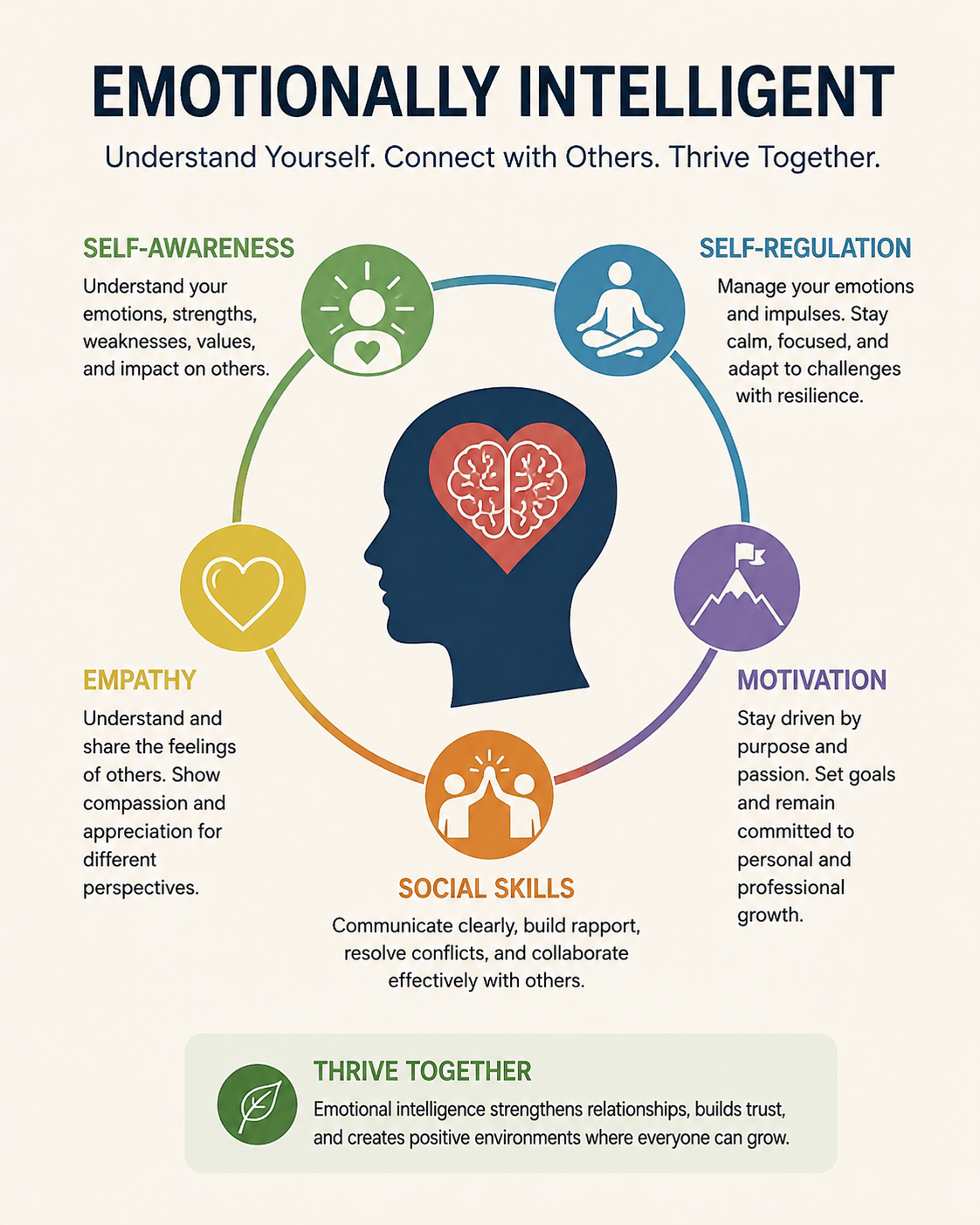

In this comprehensive guide, we will explore the root causes of our discontent, how to navigate the heaviest burdens, and actionable ways to embrace self-improvement and emotional strength.