Imagery Techniques for Stress Relief in Teens
Guided Imagery Techniques for Stress Relief in Teens
Practical Mindfulness and Relaxation Practices
Introduction: Why Guided Imagery Works for Adolescents
Teen life can feel like a nonstop to-do list—exams, social drama, planning for the future—so having short, practical tools that calm the body and steady the mind matters. Guided imagery is one such tool many teens find easy to learn and use wherever they are.
What is guided imagery?
and how it fits into stress management techniques for teens
Guided imagery is a relaxation method that uses words, images, and sensory cues to help a person imagine a calm, safe scene or a positive outcome. For adolescents, guided imagery is:
- Accessible: requires no special equipment.
- Portable: can be done in a classroom, on a bus, or at home.
- Adaptable: scenes and prompts can match a teen’s culture, language, and personal preferences.
Guided imagery sits within broader stress management techniques for teens, alongside breathing exercises, progressive muscle relaxation, and cognitive coping strategies.
The science behind relaxation techniques for adolescents:
and stress reduction strategies for teens
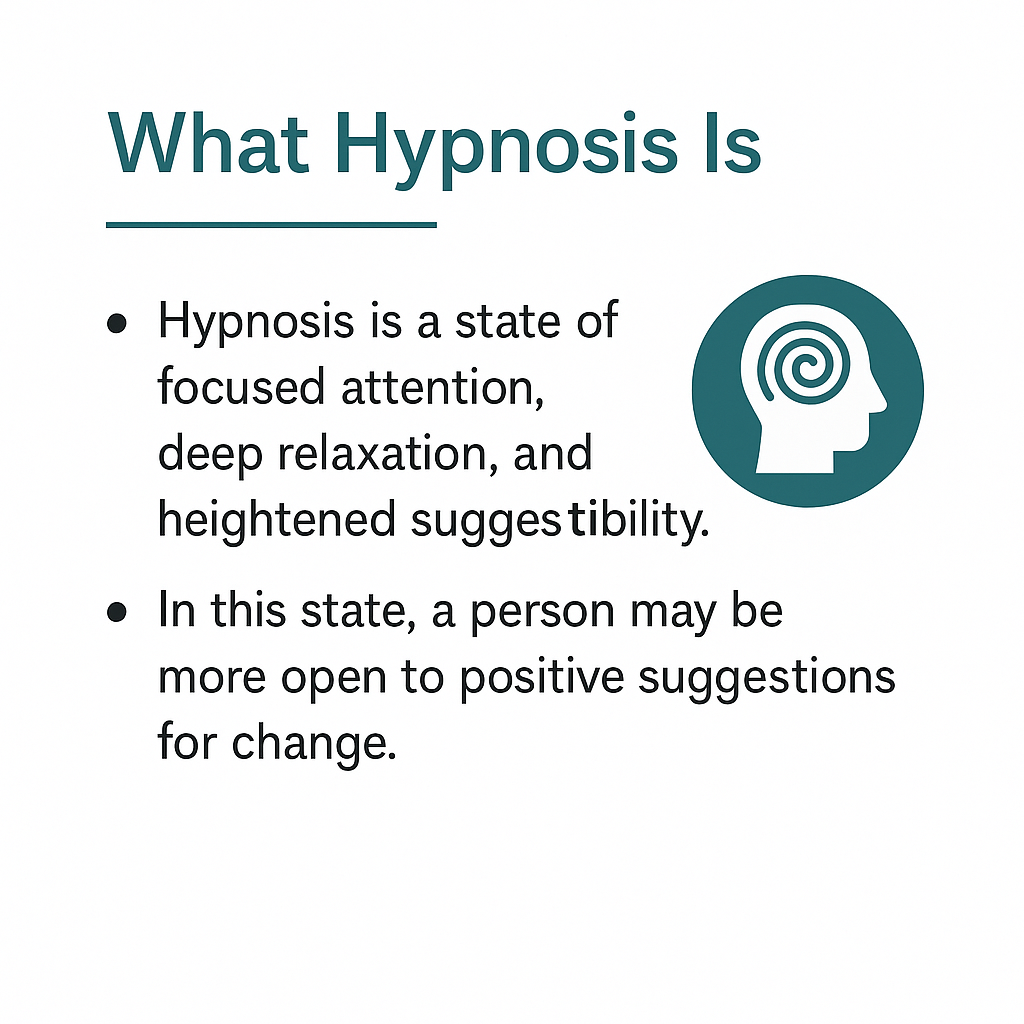
Research shows relaxation techniques lower stress hormones (like cortisol), reduce heart rate, and improve sleep quality. The Centers for Disease Control and Prevention (CDC) and American Psychological Association (APA) note that teaching coping strategies to adolescents reduces anxiety and improves functioning in school and relationships [APA: Teen Stress][1])
Guided imagery has been found to reduce anxiety and pain in pediatric and adolescent populations in multiple clinical studies and systematic reviews (see PubMed summaries and reviews on guided imagery for youth). It also complements other mindfulness practices for adolescents by strengthening attention and emotional regulation.
How guided imagery complements mindfulness practices:
for adolescents and mental wellness techniques for teens
Guided imagery fosters focused attention—similar to mindfulness meditation—while providing constructive mental content (a safe beach, a calm forest). Combined with breathing and body awareness, it becomes a practical mental wellness technique for teens that supports sleep, test anxiety reduction, and resilience.
Understanding Teen Stress and When to Use Guided Imagery
Common stressors for youth:
school, social life, family, and identity development
Adolescence brings multiple pressure points:
- School: tests, homework loads, college prep.
- Social life: friendships, dating, social media.
- Family: household rules, sibling dynamics, financial stress.
- Identity: navigating gender, sexual orientation, cultural identity, and future goals.
These stressors can be chronic or episodic and often overlap, making stress reduction strategies for teens an important toolkit.
Signs that a teen may benefit from guided imagery exercises for youth
Look for practical indicators:
- Trouble sleeping or frequent nightmares.
- Difficulty concentrating on schoolwork.
- Irritability, withdrawal, or frequent overwhelm.
- Physical symptoms like headaches or stomachaches without clear medical cause.
Guided imagery exercises for youth can help when these signs are related to anxiety or situational stress rather than a medical condition.
When to seek additional help?
limits of guided imagery for stress relief
Guided imagery is supportive but not a substitute for professional care when:
- A teen has persistent depressive symptoms, suicidal thoughts, or self-harm behaviors.
- There is a diagnosed anxiety disorder, PTSD, or complex trauma without professional oversight.
- Stress is causing significant impairment at school or home.
If symptoms are severe or worsening, contact a mental health professional, school counselor, or local services (e.g., 988 for the U.S. Suicide & Crisis Lifeline or local emergency services like 911 in the U.S.).
Core Guided Imagery Exercises for Teens
Transition: Below are practical scripts and structures you can use right away—ranging from a 5‑minute reset to a deeper 15‑minute relaxation for sleep or emotional reset.
Quick 5-minute guided imagery for immediate stress relief
Purpose: Fast regulation when a teen feels overwhelmed before a test, presentation, or social event.
Steps:
- Sit comfortably and close your eyes (or soften your gaze).
- Take three slow, deep breaths—inhale for 4, hold 1, exhale for 6.
- Imagine a small, safe place (a bench in a sunlit park, a cozy corner).
- Focus on one sensory detail: the warmth on your skin, distant birdsong, the texture of a bench.
- Take two more slow breaths, mentally say, “I am safe. I can do this.”
- Open your eyes and return.
This quick routine is one of many effective relaxation techniques for adolescents for on-the-spot anxiety reduction.
10–15 minute progressive imagery for deeper relaxation
Purpose: Deeper relaxation practice for bedtime or after a stressful day.
Steps:
- Prepare: dim lights, comfortable position, phone on Do Not Disturb.
- Begin with a 1–2 minute slow breathing exercise.
- Do a gentle body scan: notice toes → legs → hips → belly → chest → shoulders → neck → face.
- Transition into imagery: imagine walking into a broader calming space (a beach, forest clearing).
- Use progressive imagery: imagine each body part sinking into relaxation; picture waves washing tension away.
- Spend 5–8 minutes noticing sensory details (smell of salt air, soft sand under feet).
- Return slowly: wiggle fingers, deepen breathing, open eyes when ready.
This length helps shift the nervous system from sympathetic (fight/flight) to parasympathetic (rest/digest).
Creative visualization and goal-focused imagery:
to build resilience and mental wellness techniques for teens
Purpose: Use imagery to rehearse positive outcomes—useful for sports, presentations, or social confidence.
Technique:
- Identify a goal (e.g., do well on a class presentation).
- Visualize each step: walking to the front, speaking clearly, receiving applause or nods.
- Include emotional regulation—see yourself staying calm and breathing steadily.
- Repeat the visualization daily for several minutes.
Goal‑focused imagery strengthens neural pathways related to confidence and performance—a practical stress management technique for teens that builds resilience.
Integrating Mindfulness Practices with Guided Imagery
Transition: Guided imagery works best with simple grounding and breathwork—these short practices prepare the body and mind.
Simple breathing and body-scan techniques:
to prepare adolescents for guided imagery
- Box breathing: inhale 4, hold 4, exhale 4, hold 4 (repeat 3–6 times).
- 4–7–8 breathing: inhale 4, hold 7, exhale 8 (calming before sleep).
- Quick body scan: tense each muscle group for 3–5 seconds, release, and notice relaxation.
These foundational practices enhance focus and make imagery more vivid.
Combining guided imagery with grounding and sensory mindfulness practices for teens
Grounding techniques help if a teen feels dissociated or highly triggered:
- 5–4–3–2–1 method: name 5 things you see, 4 you feel, 3 you hear, 2 you smell, 1 you taste.
- Sensory pairing: in your image, pick a strong sense (e.g., the crunch of leaves) to anchor attention.
Pairing grounding with imagery reduces the risk of triggering traumatic memories by keeping attention in the present.
Daily routines:
short mindfulness practices for adolescents that reinforce stress reduction strategies for teens
Sample daily routine (total 10–15 minutes):
- Morning (2–3 minutes): quick breathing + one positive visualization for the day.
- Midday (2–5 minutes): grounding or 5‑minute imagery after lunch.
- Evening (5–10 minutes): progressive imagery or sleep script.
Small, consistent practices are powerful mental wellness techniques for teens.
Practical Implementation: Tips, Scripts, and Resources
Sample scripts and prompts for guided imagery exercises
Beginner script (5 minutes):
Find a comfortable seat. Take three slow, deep breaths. Imagine sitting in a cozy spot—perhaps a sunlit bench in a quiet park. Notice the color of the sky and the warmth on your skin. Hear the birds in the distance. With each breath, let your shoulders drop and your jaw relax. Mentally say, "I am calm. I am okay." When you're ready, open your eyes and take that feeling with you.Intermediate script (10–15 minutes for sleep or deep relaxation):
Lie down or sit comfortably. Close your eyes and begin with five deep breaths. Scan your body from toes to head, noticing any tension. Now, picture a gentle, safe place: a quiet beach at sunset. Feel the soft sand under your feet. Hear the gentle waves rolling in and out. With each wave, imagine tension flowing out of your body. Picture your chest and shoulders softening, your jaw unclenching. Spend a few minutes exploring this place. If your mind wanders, gently bring it back to the sensation of the waves and your breath. When it's time to finish, wiggle your fingers and toes, take three grounding breaths, and open your eyes slowly.Include these on a phone note or print them for easy use.
Environment, timing, and accessibility:
making relaxation techniques for adolescents practical at home and school
- Environment: quiet corner, headphones, gentle lighting. If privacy is limited, use a calming image and headphones.
- Timing: before tests, after school, or bedtime. Micro‑sessions (1–5 minutes) are useful in class transitions.
- Accessibility: language‑appropriate scripts, culturally familiar imagery, and options for mobility limitations (sitting vs. lying).
Schools can integrate short guided imagery sessions into homeroom or wellness curricula with parental permission.
Digital tools, apps, and audio resources to support guided imagery:
for stress relief and ongoing mental wellness techniques for teens
Recommended apps and resources:
- Headspace: guided meditations and visualizations for teens.
- Calm: sleep stories and imagery scripts.
- Insight Timer: many free guided imagery tracks.
- Smiling Mind: programs designed for teens and schools.
- Stop, Breathe & Think: mood check-ins and tailored practices.
Also consider YouTube channels and public domain scripts from health organizations. For evidence-based guidance, see resources from the National Institute of Mental Health (NIMH) and SAMHSA.
Safety, Inclusivity, and Measuring Effectiveness
Transition: Good practice means making sure guided imagery is safe, inclusive, and measurable so teens and caregivers can see progress.
Trauma-informed considerations and adapting guided imagery for diverse teens
- Offer choice: allow teens to choose or skip imagery themes.
- Avoid prompts that could resemble traumatic memories (don’t ask to “imagine being small” or “recall specific events”).
- Use grounding first if the teen is highly activated.
- Adapt imagery to cultural backgrounds—favorite family foods, familiar landscapes, or cityscapes.
- Provide nonvisual pathways (sound, touch) for teens who prefer less visual imagery.
If trauma is present, work with a trained mental health professional to adapt imagery safely.
How to track progress:
simple metrics and reflection prompts for stress management techniques for teens
Track outcomes with simple, teen-friendly metrics:
- Subjective rating: pre/post breathing—rate stress 1–10 before and after a session.
- Frequency: number of sessions per week (goal: 3–7 short sessions/week).
- Sleep metrics: bedtime, time-to-sleep, number of awakenings.
- School functioning: self‑reported focus during class, homework completion.
- Mood journal prompts: “Today I felt calmer after…”, “I used imagery when…”
You can also use validated scales like the Perceived Stress Scale (PSS) or the Generalized Anxiety Disorder 7-item (GAD-7) with clinician support.
Involving caregivers, teachers, and counselors in sustained stress reduction strategies for teens
- Caregivers: learn the scripts, offer support, and respect privacy.
- Teachers: schedule short classroom sessions or allow a brief reset before tests.
- Counselors: integrate imagery into therapy and track clinical measures.
Collaboration ensures consistency and helps teens generalize skills across settings.
Conclusion: Encouraging Consistent Practice and Next Steps
Summarize benefits of guided imagery for stress relief:
and how it fits into broader mindfulness practices for adolescents
Guided imagery is a flexible, evidence-based tool that complements mindfulness practices for adolescents and other stress management techniques for teens. It reduces immediate anxiety, supports sleep, and builds confidence through rehearsal of positive outcomes. When combined with breathing and grounding, it becomes a powerful part of a teen’s mental wellness toolkit.
Quick-start plan: three easy steps teens can try today
- Try a 3–5 minute "bench in the park" guided imagery after school (use the beginner script).
- Add a 2‑minute box breathing exercise before tests or presentations.
- Use a sleep imagery session (10–15 minutes) two nights this week and note sleep changes.
Further reading and professional resources for continued mental wellness techniques for teens
- American Psychological Association — Teen Stress:
- SAMHSA — National Helpline and resources:
- PubMed searches on "guided imagery adolescents" for clinical studies:
Call to action: If you're a teen, caregiver, or educator, pick one guided imagery script above and try it for a week. Notice small changes—sleep, focus, or mood—and consider sharing results with a trusted adult or counselor. If stress is severe or persistent, reach out to a mental health professional.
"Small consistent practices produce big changes over time." — Practical reminder for teens practicing mental wellness techniques