Outlets for Teen Emotional Expression
- Summarize the purpose and scope of the article and the approaches I'll cover.
- Explain adolescent emotional needs and how creative outlets meet them.
- Describe practical creative activities (music, visual/performing arts, writing) with evidence and examples.
- Offer step-by-step guidance for building sustainable creative coping strategies.
- Provide resources, tools, and an action plan caregivers and teens can use immediately.
Creative Outlets for Teen Emotional Expression

How Arts, Music, and Writing Support Emotional Health
Hook: Adolescence is a time of big feelings and even bigger transitions—creative outlets give teens a safe language for what words sometimes can't capture.
Introduction: Why Creative Expression Matters for Adolescents
The role of creativity in teenage development, pathway for teen emotional expression
Creativity is more than an extracurricular hobby; it's a developmental tool. During adolescence the brain undergoes major remodeling—particularly in areas related to identity, emotional regulation, and social cognition. Engaging in creative expression for adolescents supports self-discovery, improves mood regulation, and strengthens social bonds.
How creative expression for adolescents differs from adult outlets
Teens often need lower-stakes, process-focused outlets rather than polished performance. For adolescents, art, music, and writing can be exploratory and social—less about mastery and more about emotional communication. This makes creative coping strategies for teens uniquely suited to the developmental stage where experimentation, peer connection, and identity testing are central.
Brief overview of article and keywords
This article explains how expressive arts for teens—music therapy for adolescent emotional health, art therapy for teens, and the benefits of journaling for teens—help with emotional regulation and resilience. You'll find practical activities, evidence-based benefits, resources, and an action plan to begin using creative coping strategies for teens today.
Understanding the Emotional Needs of Teens
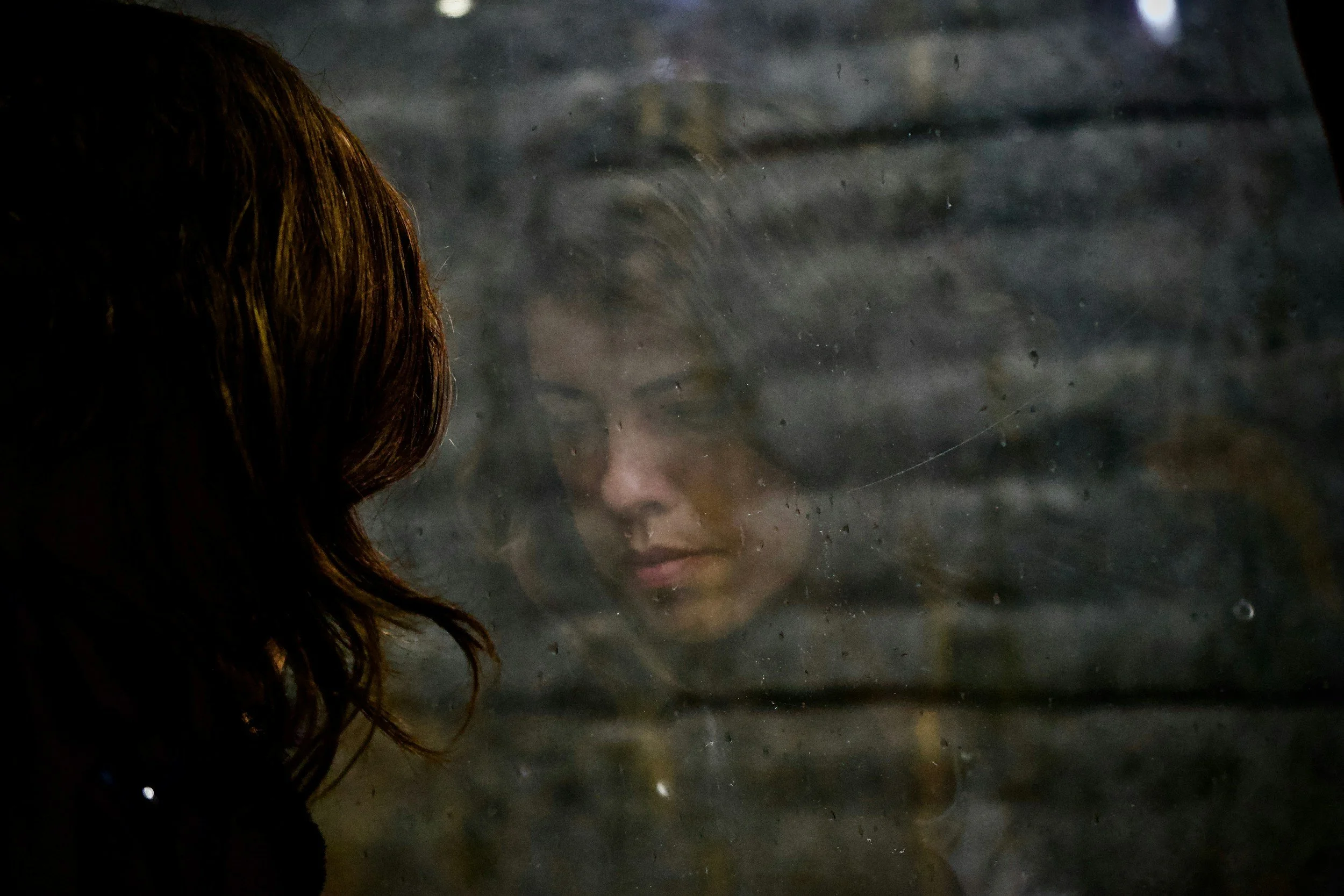
Common emotional challenges in adolescence and why outlets help
Adolescents commonly face:
- Mood swings and increased emotional reactivity
- Identity and body-image concerns
- Social pressure and peer conflict
- Academic stress and future uncertainty
- Anxiety and depressive symptoms
Global estimates suggest mental health burden in adolescence is nontrivial: the World Health Organization reports that about 1 in 7 (≈14%) of 10–19-year-olds experienced a mental disorder in 2019. Creative outlets let teens externalize feelings, practice coping skills, and connect with peers—often before clinical intervention is needed.
How creativity helps teen emotional expression regulation: neuroscience and psychology
How creativity helps emotional regulation:
- It provides nonverbal expression channels when words fail.
- Creative activity activates reward circuits (dopamine pathways) and engages prefrontal regions involved in planning and reflection.
- Expressive practices (music, art, writing) reduce physiological stress markers—heart rate and cortisol—and increase self-efficacy.
Research highlights:
- Expressive writing studies (James W. Pennebaker and colleagues) show reduced emotional distress and physiological reactivity after structured writing exercises.
- Neuroimaging studies find that music engages limbic areas linked to emotion, while art-making can lower amygdala activity (stress center) and boost prefrontal engagement.
When to seek professional help vs. using creative coping strategies for teens
Creative strategies are powerful but not a replacement for professional care in certain situations. Seek professional help if a teen shows:
- Persistent depressed mood or loss of interest for weeks
- Self-harm, suicidal thoughts, or talk about death
- Major decline in functioning (school, relationships)
- Severe anxiety interfering with daily life
If any of these are present, contact mental health professionals (school counselor, pediatrician, therapist). Creative activities can complement therapy but should not delay urgent care.
Quick reference: In the U.S., if there is immediate danger, call 911 or the National Suicide & Crisis Lifeline at 988. In the U.K. call 111 or emergency services if needed.
Music and Sound: Music Therapy and Emotional Health

Music therapy for adolescent emotional health — what it is and how it works
Music therapy for adolescent emotional health uses music-based interventions facilitated by a credentialed music therapist. Interventions may include active music-making, songwriting, guided listening, and improvisation. Goals can range from mood regulation and emotional expression to social skills and cognitive development.
Evidence base:
- The American Music Therapy Association (AMTA) and multiple studies indicate music therapy can reduce anxiety, improve mood, and enhance social functioning among adolescents in clinical and school settings.
- A 2019 systematic review found music interventions reduced symptoms of anxiety and depression in youth samples (see AMTA research summaries).
Practical music-based activities for teens (listening, songwriting, group drumming)
Simple, practical activities:
- Structured listening playlists for mood management (create "calm," "focus," or "vent" playlists).
- Songwriting prompts: write a chorus that captures a current feeling; revise to show growth.
- Group drumming circles: promote connection and reduce stress—suitable for classrooms or youth groups.
- "Soundtrack of my life" project: teens create a playlist that represents different life chapters and explain choices.
- DIY production: use free apps (GarageBand, BandLab) for beat-making and recording.
Example activity — 30-minute songwriting session:
- Warm-up: 5 minutes of rhythmic clapping or humming.
- Prompt: Choose a three-line emotional prompt (e.g., "I feel ___ when ___ because ___").
- Create a chorus using one key line.
- Record a simple loop or melody using a phone app.
- Reflect: Listen together and discuss what changed during creation.
Case examples and tips for integrating music therapy in schools and homes
- School integration: weekly after-school drumming groups reduce tension before exams and improve attendance.
- Home integration: family playlist nights encourage open conversation during shared listening.
- Tip: Partner with community music therapists or university music therapy programs for low-cost school services.
- Tip: Encourage process over performance—let teens experiment without pressure to "be good."
Visual and Performing Arts: Art Therapy and Expressive Arts for Teens
Art therapy for teens — approaches, benefits, and evidence
Art therapy for teens combines psychological principles with creative processes to address emotional needs. Techniques include guided imagery drawing, mask-making, and trauma-informed visual narratives.
Benefits:
- Increases emotional awareness and vocabulary
- Enables safe projection of internal states onto external media
- Supports trauma processing when used by qualified therapists
Evidence and organizations:
- The American Art Therapy Association (AATA) describes benefits for adolescents in school and clinical settings.
- Studies show art therapy can reduce anxiety and improve coping skills among young people in inpatient and outpatient settings.
Expressive arts for teens: drama, dance, and multimedia projects for emotional release
Expressive arts expands beyond static visual art to include:
- Drama and role-play: practice social situations, rehearse assertive communication.
- Dance and movement: body-based expression that releases tension and reconnects teens to somatic awareness.
- Multimedia projects: combine photography, video, and audio to create personal narratives (e.g., short films or zines).
Example project: "Identity Zine"
- Materials: paper, markers, collage images, glue, smartphone for photos.
- Task: Create a 8-page zine exploring "Who I am vs. Who I want to be."
- Outcome: Allows introspective processing and a tangible artifact to reflect on.
How to set up low-cost, safe art activities at home or in youth programs
- Use budget-friendly supplies: recycled magazines, cardboard, smartphone cameras.
- Provide clear safety guidelines for materials (non-toxic paints, scissors handled responsibly).
- Structure sessions: warm-up (5–10 minutes), creative time (20–40 minutes), reflection (10–15 minutes).
- Ensure emotional safety: normalize strong feelings and include debrief prompts; invite teens to opt out of sharing.
Writing and Reflection: The Benefits of Journaling for Teens
Benefits of journaling for teens — emotional processing, self-awareness, and resilience
The benefits of journaling for teens include:
- Emotional processing: converting confusing feelings into coherent narratives reduces rumination.
- Improved self-awareness: tracking triggers and patterns increases insight.
- Enhanced resilience: reflection supports learning from setbacks.
Research note:
- Pennebaker's expressive writing paradigm shows measurable improvements in mood and health after structured writing sessions—often with effects lasting weeks to months.
Journaling prompts and creative writing exercises for emotional coping
Practical prompts:
- "Describe one thing today that felt heavy. What made it heavy?"
- "Write a letter to your future self about what you're proud of right now."
- "List three small things that made today a little better."
- "Write a short dialogue between 'Stress' and 'Calm.'"
Creative exercises:
- Create a poem using only sensory details.
- Write a 250-word story where you, the main character, make one brave choice.
- Combine writing with collage: create a visual mood board and write a stream-of-consciousness paragraph inspired by it.
Combining journaling with other creative coping strategies for teens (collages, zines)
- Collage journaling: paste images and captions alongside written entries to deepen reflection.
- Zine-making: compile writings, drawings, and photos into a personal mini-magazine—great for group projects.
- Pair songwriting and journaling: draft lyrics in a journal, then turn into a recorded piece.
Developing Sustainable Creative Coping Strategies
Creating a personalized creative toolbox: matching teens to activities
Steps to build a toolbox:
- Inventory interests: music, drawing, dance, writing, digital media.
- Match intensity to need: quick breathing + music for immediate stress; art journaling for deep reflection.
- Create tiers: "5-minute," "20-minute," and "60-minute" tools for different situations.
Sample toolbox entry:
- 5-minute: 3-song calming playlist + deep-breathing
- 20-minute: free-writing prompt + sketch
- 60-minute: group drama session or songwriting workshop
Encouraging routine and habit-building without pressure or perfectionism
- Normalize small, consistent practice (small wins matter).
- Make it accessible: keep supplies and apps ready.
- Encourage curiosity, not performance: frame activities as experiments.
- Use habit cues: after school snack = 10 minutes of journaling.
Supporting teens: roles for parents, educators, and peers in fostering creative expression
- Parents: provide materials, show interest (ask nonjudgmental questions), and model creative habits.
- Educators: embed expressive arts in curricula, allow flexible assignments, and partner with therapists.
- Peers: create peer-led clubs and safe sharing spaces; peer mentorship reduces stigma.
Tip for caregivers: Ask open-ended reflective questions—“What did you make today that surprised you?”—instead of evaluative praise about talent.
Practical Resources and Next Steps
Programs, apps, and community resources for music therapy and art therapy for teens
- American Music Therapy Association (AMTA) — provider directory and research:
- American Art Therapy Association (AATA) — resources and program finder:
- Apps:
- BandLab (free) — music creation and collaboration
- GarageBand (Apple) — recording and producing music
- Daylio — mood tracker compatible with creative check-ins
- Journey or Penzu — digital journaling
- Calm / Headspace — guided practices to pair with creative sessions
- Local resources: community centers, school counselors, university clinics often offer low-cost art or music therapy programs.
Recommended books, worksheets, and prompt lists (journaling and creative projects)
- "Opening Up by Writing It Down" — James W. Pennebaker & John Evans (expressive writing techniques).
- "The Art Therapy Sourcebook" — Cathy A. Malchiodi (practical art therapy activities).
- Worksheets: printable mood wheels, guided art prompts, songwriting templates (search university psychology or art therapy department resources).
- Prompt lists: compile a 30-day creative challenge combining music, art, and journaling prompts for everyday practice.
How to evaluate progress and when to expand or change creative strategies
Ways to track progress:
- Simple logs: weekly checklist noting mood before and after creative activity.
- Journaling review: monthly reflection on themes and changes in emotional tone.
- Behavioral markers: improved sleep, fewer outbursts, better school engagement.
When to adapt:
- If activities feel flat or dissociated from emotion, try a different medium (e.g., switch from drawing to movement).
- If symptoms persist or worsen, consult a mental health professional and consider integrating creative work into therapy.
Conclusion: Embracing Creativity to Support Teen Emotional Health
Key takeaways
- Creative expression for adolescents is an evidence-supported pathway to emotional regulation, social connection, and identity development.
- Music therapy for adolescent emotional health, art therapy for teens, and the benefits of journaling for teens each offer unique, complementary benefits.
- Creative coping strategies for teens are flexible and can be tailored to interests, energy levels, and needs.
A short action plan for caregivers and teens to begin experimenting with expressive arts for teens
- Pick one medium: music, art, or writing.
- Set a low-stakes goal: 10 minutes, 3 times a week.
- Keep a simple log: mood before and after activity.
- Share outcomes with a trusted adult or peer group when comfortable.
- Reassess after 4 weeks and tweak activities based on what felt helpful.
Encouragement to prioritize creative expression for adolescents as part of holistic emotional well-being
Creativity gives teens tools to name, shape, and move through feelings. Whether through a lyric that finally says what words couldn't, a raw sketch, or a private journal entry, expressive arts for teens provide pathways to resilience. Start small, stay curious, and remember: the aim is emotional expression and growth—not perfection.
Call to action: Try a 7-day creative challenge—pick one prompt a day from music, art, or journaling—and reflect at the end of the week. If you’re a caregiver or educator and want a printable starter pack (playlists, prompts, and low-cost activity guides), visit the resources linked above or contact your local school counselor to begin integrating expressive arts for teens into regular supports.
Sources and further reading