Understanding the Role of Holistic Health Practitioners
The Role of Holistic Health Practitioners
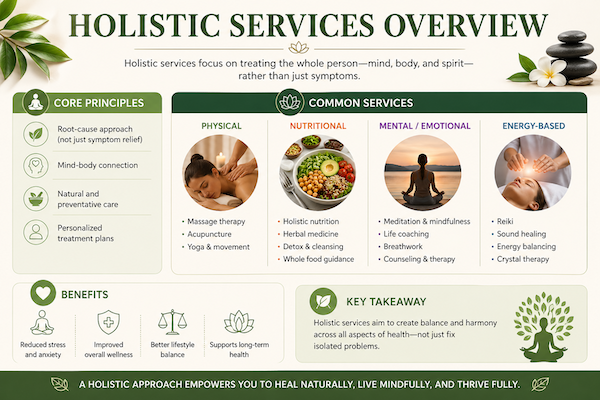
You visit the doctor for a recurring headache, leave with a prescription, and feel relief for a week—until the pain returns. This frustrating cycle highlights the limitations of standard 15-minute appointments, which often prioritize rapid symptom management over digging for deeper answers. Holistic health practitioners step in to bridge this gap, looking past the immediate physical pain to find the person underneath.
Think of your health like a garden. While acute medicine excels at pulling the weed, holistic care examines the soil quality, sunlight, and water that allowed the weed to grow. By analyzing the "whole person"—including emotional stressors, diet, and environment—practitioners identify the root causes of illness rather than just suppressing the signals.
These professionals act as a preventative co-pilot rather than a replacement for your general practitioner. By shifting the timeline from reactive treatment to proactive wellness, they help you navigate the nuances of lifestyle medicine to ensure you aren't just pain-free, but truly thriving.
More Than Just Herbs: Identifying the 3 Tiers of Holistic Practitioners
Finding the right professional often feels overwhelming because the term "holistic" acts as an umbrella for a vast range of skills. One provider might be a board-certified doctor, while another may have simply taken a short online workshop, yet both might claim to help with your chronic stress. To navigate this landscape safely, it helps to view the field through three distinct levels of training and scope.
Distinguishing between these categories ensures you don't ask a nutrition coach to fix a hormonal imbalance that requires medical intervention. These providers generally fall into three tiers based on their education and legal ability to treat you:
Licensed Medical Professionals: Naturopathic Doctors (NDs) and Functional MDs hold a holistic medicine degree and are licensed to diagnose disease, order labs, and prescribe treatment.
Certified Specialists: A certified holistic health practitioner, such as a health coach or nutritionist, focuses on behavior change and education. They complete an accredited holistic health practitioner program to help you implement lifestyle tools.
Traditional Practitioners: Experts in specific modalities like acupuncture, hypnotherapy or Ayurveda who undergo rigorous training in ancient medical systems.
Selecting the best partner depends on whether you need a medical diagnosis or support with daily habits. Always verify that your provider holds a valid holistic health certification, ensuring they have met professional standards rather than simply reading guides on how to become a holistic health practitioner. Once you have a credentialed expert, the experience shifts dramatically from the standard rush of primary care.
The 60-Minute Deep Dive: What to Expect During Your First Consultation

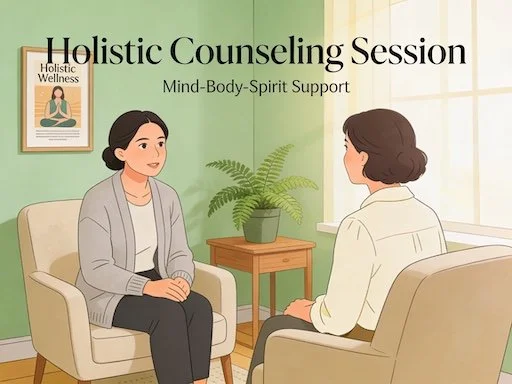
Holistic Counseling Session
Unlike the standard check-up where you list symptoms and immediately receive a prescription, a holistic initial visit typically lasts 90 minutes. This extended time frame allows for a comprehensive intake process often called "Health Mapping," which treats your medical history like a detailed biography rather than a simple checklist. You are not just listing symptoms; you are helping the practitioner understand the timeline of your life to identify root causes that conventional scans might miss.
This investigative process assumes that your current physical state is the sum of your environment, relationships, and history. The practitioner analyzes the role of emotional wellbeing in physical health, connecting dots that seem unrelated—like how a job change five years ago might correlate with your current skin flare-ups. Be prepared to answer non-standard questions designed to reveal these hidden connections:
"How restful is your sleep, and do you wake up at the same time every night?"
"What are your specific stress triggers at work and at home?"
"When was the last time you felt genuine joy or excitement?"
"How does your digestion change during high-pressure weeks?"
By the end of this session, the goal is to move beyond generic advice to co-create a sustainable strategy. This results in personalized nutrition and supplementation plans tailored to your specific biochemistry and lifestyle constraints. This customized approach is particularly vital when addressing complex conditions like chronic fatigue, where standard blood work often appears "normal" despite a patient's total exhaustion.
Solving the Stress Puzzle: How Holistic Care Bridges the Gap for Chronic Fatigue and Burnout

Millions of people leave doctor's appointments with a clean bill of health yet feel completely depleted, a phenomenon often described as the "normal but unwell" gap. While conventional medicine excels at treating acute emergencies, it frequently lacks the tools to address sub-clinical issues like burnout until they become full-blown diseases. Holistic practitioners fill this void by prioritizing natural ways to manage chronic stress, viewing symptoms like brain fog or afternoon crashes not as annoyances to be caffeinated away, but as critical warning lights from your nervous system.
Instead of offering a generic stress reduction pamphlet, a holistic approach digs deeper using root cause analysis in alternative healthcare. This might involve teaching you specific breathing techniques to shift your body out of "fight or flight" mode, effectively reprogramming how your nervous system handles daily pressure. By acknowledging that mental strain causes physical inflammation, practitioners treat the body and mind as a single, interconnected loop rather than separate compartments that operate independently.
Your physical fuel source is equally important, which is why functional nutrition plays a central role in recovery strategies. Unlike standard dietary advice that applies one rule to everyone, this method looks at how specific foods interact with your unique biochemistry to either fuel energy or trigger fatigue. Understanding the nuance between integrative and functional medicine helps here; while integrative care combines therapies, functional medicine specifically targets the underlying biological mechanisms—like gut health or nutrient absorption—that sustain your energy levels long-term.
Ultimately, the benefits of a mind-body-spirit approach extend beyond simply removing symptoms; the aim is to restore vitality so you have the energy to enjoy life, not just get through it. This preventative lifestyle medicine shifts the goalpost from merely avoiding illness to actively cultivating resilience against future stressors. However, because this field is less standardized than conventional medicine, finding a qualified partner is essential to ensure your path to wellness is both effective and safe.
Vetting for Safety: 4 Red Flags to Avoid When Choosing a Practitioner
Navigating the wellness landscape can feel like the Wild West since titles aren't always strictly regulated. To ensure safety, look for clear evidence of specific training rather than vague descriptions. A trustworthy provider should openly list their holistic certification and the holistic practitioner school they attended. If their credentials come from a brief weekend workshop rather than an accredited holistic health practitioner program, you should proceed with caution.
Beyond diplomas, assess how the practitioner communicates during your initial consultation. Use this checklist to identify critical red flags before booking:
Verify Education: Ensure they graduated from a reputable, accredited institution, not just a "pay-for-title" website.
Avoid "Miracles": Be skeptical of anyone promising a "cure-all" or guarantee for complex conditions.
Medication Check: A qualified pro always asks about current prescriptions to prevent dangerous interactions.
Collaborative Attitude: Reject practitioners who demand you stop seeing your primary doctor.
Knowing how to find a qualified holistic doctor or practitioner means finding someone who respects their professional scope. The best partners act as a co-pilot alongside your conventional team rather than trying to replace it entirely. Once you have vetted a safe practitioner, the final step is coordinating this new alliance for maximum benefit.
Your Integrated Health Team: The Step-by-Step Plan to Combine Holistic and Conventional Care

Holistic Service Delivery Team
You no longer need to choose between conventional medicine and holistic support. By viewing non-invasive treatments for long-term wellness as a partnership, you address both the engine and the navigation of your health. You now have the insight to find practitioners who respect your safety and complement your existing care.
Begin integrating holistic practices with primary care through transparency. Simply tell your doctor, "I am exploring complementary therapies to support my lifestyle—how can we ensure this aligns with my treatment?" This script invites collaboration, ensuring your safety remains the priority while expanding your support system.
True health extends beyond the absence of symptoms; it is about having the energy for family dinners and hobbies. With a reliable co-pilot monitoring your daily habits, you are not just surviving the "sick-care" cycle but actively designing a life defined by sustainable vitality.
For more information contact Jaye Kelly-Johnston at Kelly-Johnston Counseling.
Also here is one of our popular services for Stress and Anxiety