
Search Topics In Our Extensive Blog Postings By Category
Kelly-Johnston Counseling Blog
Click on the image to see all of our blog’s in the category of the image.


Children’s Counseling

Marriage/Couples Counseling

Fears And Phobias





Blogs Listed In Chronological Order
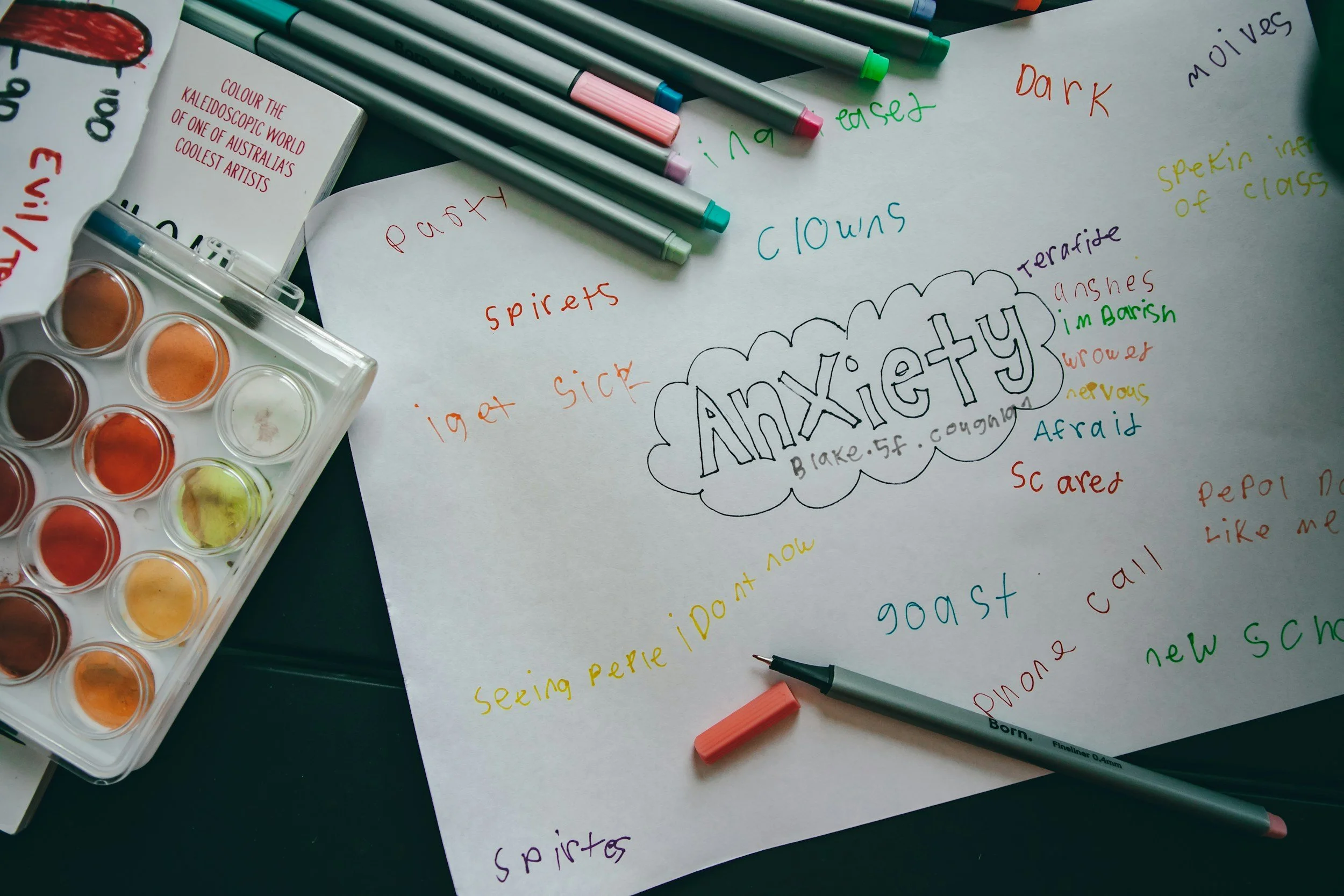
Signs of Anxiety in Young Children
Anxiety is the body's natural response to perceived danger. In young children, it often shows up not as the complex worries adults describe, but as behaviors, physical complaints, and changes in play and learning.
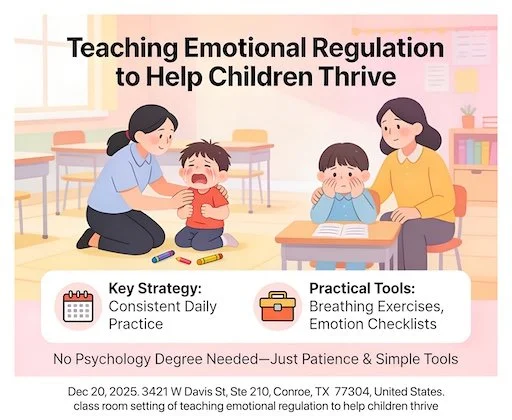
Emotional Regulation Matters for Children
Every parent and teacher has seen a child melt down over a lost crayon or freeze up before a test. Teaching emotional regulation early is one of the most powerful ways to help children learn.

Effects of Parental Conflict on Children
Parental conflict is common, but when conflicts are frequent, intense, or unmanaged they can harm child emotional health and family stability. This guide explains the effects of parental conflict on kids, how to recognize the early warning signs, and what parents, caregivers, teachers, and clinicians can do to reduce harm and support recovery.

How To Deal With Anxiety in Children
Anxiety is a natural emotion designed to protect us from danger. In children, normal worry comes and goes and is proportionate to the situation: a child feeling nervous before a test, for example, who calms down after reassurance.
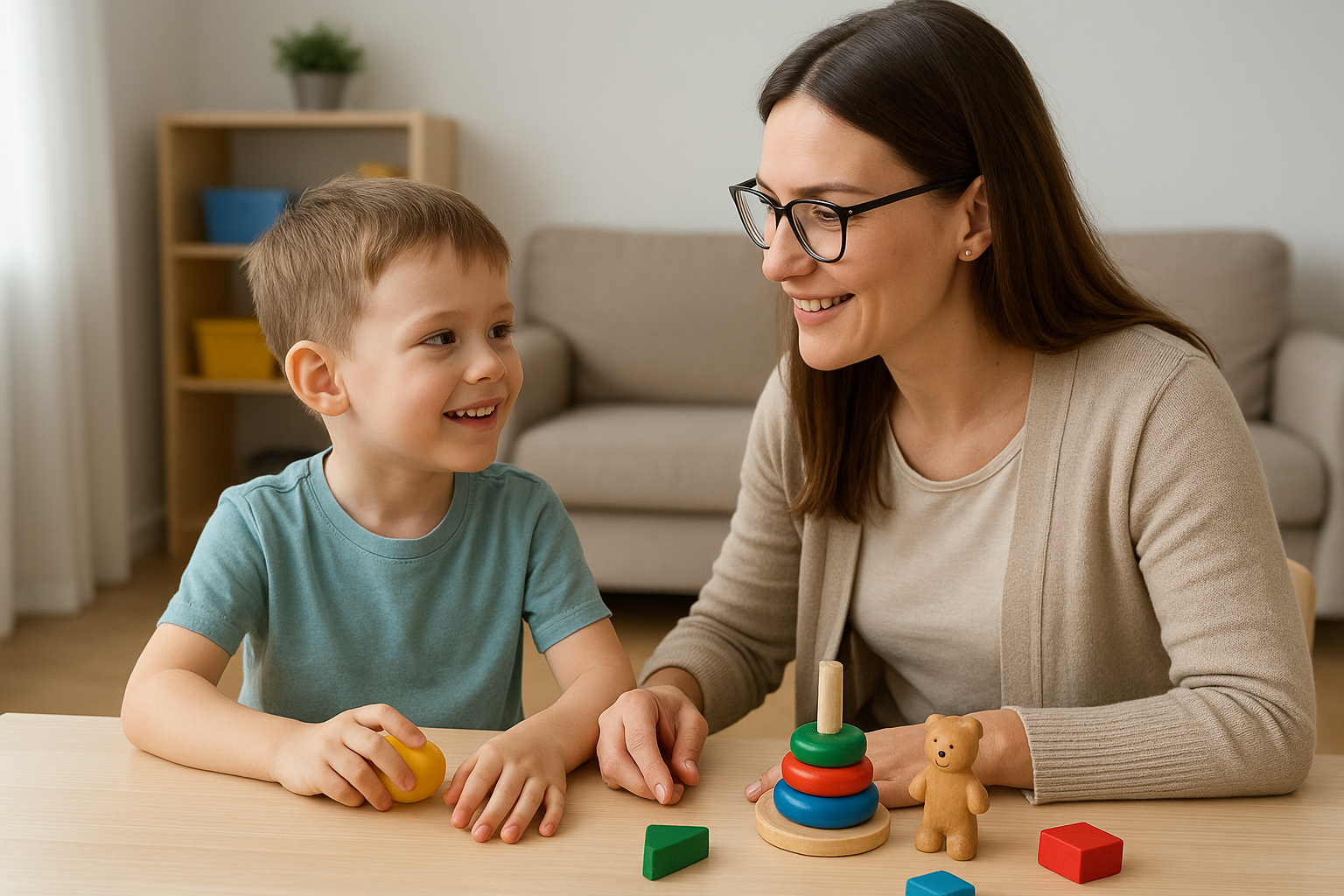
Art Matters for Children's Emotions
Art provides an accessible, low-threat way for kids to communicate what they feel inside. Whether in the classroom, during playtime at home.
How to Use Play Therapy Techniques at Home
If you want to help your child express feelings, build coping skills, and strengthen your bond—without needing a clinic appointment for every step—play can be your most powerful tool at home. Play therapy techniques at home are practical, accessible, and often highly effective when used intentionally.
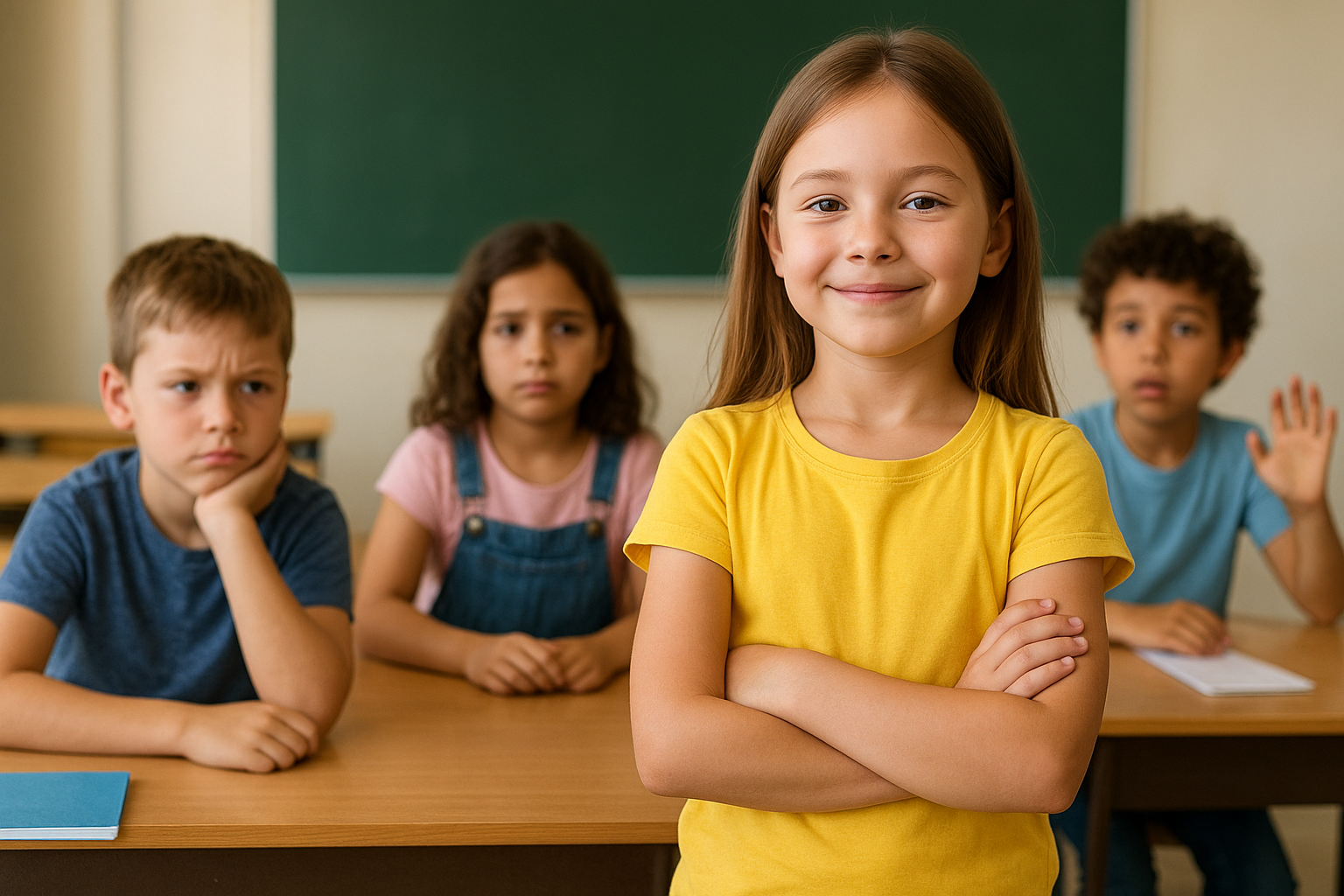
Evidence-Based Self-Esteem Activities for Kids (2026 Guide)
Children who grow with a healthy sense of self-worth are more resilient, more successful in school, and better equipped for relationships.