How To Deal With Anxiety in Children
Recognizing Signs of Anxiety in Children: A Comprehensive Guide
Quick checklist — what I will do in this article:
- Identify the core search intent behind questions about child anxiety and symptoms.
- Map primary and long-tail keywords into clear, helpful sections for parents and caregivers.
- Explain how anxiety differs from normal worry and highlight developmental differences.
- Offer practical, evidence-informed parenting tips and coping strategies you can use at home and school.
- Point you to when and how to get professional help and provide trusted resources and next steps.
Quick Checklist: Is My Child Showing Anxiety?
- Notice persistent changes in behavior, mood, sleep, appetite, or school attendance.
- Look for physical symptoms (stomachaches, headaches, racing heart) without a clear medical cause.
- Watch for avoidance (refusing school, clinging at drop-off) or increased irritability and perfectionism.
- Consider severity: is the problem interfering with daily life, lasting more than a few weeks, or getting worse?
- If you're unsure or worried about safety, contact your pediatrician or a mental health professional.
Understanding Child Anxiety: What Parents Need to Know
What anxiety is and how it differs from normal worry
Anxiety is a natural emotion designed to protect us from danger. In children, normal worry comes and goes and is proportionate to the situation: a child feeling nervous before a test, for example, who calms down after reassurance. When anxiety becomes a disorder, it is more intense, lasts longer, and interferes with daily life—school, friendships, sleep, or family routines.
Understanding child anxiety signs means recognizing when fear or worry is:
- Excessive relative to the situation,
- Persistent (weeks to months), and
- Impairing (limits normal activities).
Common child anxiety triggers and signs
Child anxiety triggers and signs often cluster around certain events or stressors:
- Changes: moving house, parental separation, new sibling.
- School-related stress: tests, transitions, bullying, or separation.
- Health or family worries: illness in the family, financial stress, or a recent trauma.
- Social pressures: fitting in, performance expectations, or online/social media stress.
Common signs include:
- Behavioral: avoidance, clinginess, tantrums, or refusal to participate.
- Emotional: frequent worry, tearfulness, irritability.
- Cognitive: catastrophizing, perfectionism, repeated worry thoughts.
- Physical: stomachaches, headaches, sleep disturbance, frequent trips to the nurse.
(Statistics: Large surveys indicate that emotional disorders affect a noticeable share of children — for example, the UK NHS found that about 1 in 8 children aged 5–19 had a probable mental disorder in 2017; for adolescents, lifetime rates of anxiety disorders are reported as high as ~30% in some studies.
Developmental context: how anxiety shows at different ages
Anxiety rarely looks the same across ages. Development matters: what is expected for a toddler is not the same as for a teen.
- Toddlers/preschoolers: separation worries, clinginess, regression (bedwetting), tantrums.
- School-age children: school refusal, excessive worry about performance, somatic complaints.
- Teens: social anxiety, excessive rumination, panic attacks, avoidance of peers or activities.
Transitioning to the next section, we'll look closely at early childhood.
Recognizing Specific Anxiety Symptoms in Young Children
Anxiety symptoms in preschoolers: behavioral and physical cues
Anxiety symptoms in preschoolers can be subtle or dramatic. Common cues:
- Excessive clinginess at drop-off or with caregivers.
- Night wakings or new fears (darkness, monsters).
- Separation protests that last longer than typical developmental phases.
- Physical complaints: stomachaches, refusal to eat, frequent crying.
- Behavioral regression: bedwetting, thumb-sucking, or loss of previously learned skills.
Because preschoolers often express distress through behavior rather than words, look for changes from their usual baseline. For instance, a child who starts throwing more tantrums or suddenly refuses daycare may be communicating anxiety.
School-age children: academic, social, and somatic signs
For school-age children, signs of anxiety in children commonly include:
- Declining academic performance or refusal to go to school.
- Increased perfectionism or fear of making mistakes.
- Social withdrawal or bullying-related avoidance.
- Recurrent somatic symptoms (stomachaches, headaches) that don't respond to medical tests.
- Excessive reassurance-seeking from parents or teachers.
These behaviors often increase around transitions (starting a new school year) or high-pressure situations (testing season) and can persist if unaddressed.
Subtle and internalized symptoms: withdrawal, perfectionism, and changes in play
Not all anxious children act out. Some internalize:
- Quiet withdrawal from peers.
- Being overly conscientious, rigid, or controlling.
- Changes in play (repetitive play themes about safety/danger) or loss of imaginative play.
- Chronic low mood, irritability, or diminished enjoyment of formerly loved activities.
Spotting internalized signs requires attentive observation and conversations with the child and their teachers.
Practical Parenting Tips for Anxious Children
Parenting tips for anxious children: daily routines and communication strategies
Practical parenting tips for anxious children focus on predictability, validation, and gentle exposure.
- Create predictable daily routines: consistent bedtime, morning, and mealtime routines reduce uncertainty.
- Use calm, specific statements: instead of "Don't worry," try "I hear you're worried about the test. Let's make a plan together."
- Validate feelings: "I can see that makes you nervous" normalizes emotions without reinforcing avoidance.
- Gradual exposure: break feared tasks into small, achievable steps. Celebrate progress, not perfection.
- Set clear, compassionate boundaries: limit avoidance by establishing reasonable expectations (e.g., attending school unless medically ill).
Creating a supportive home environment: boundaries, consistency, and reassurance
A supportive environment balances safety and growth:
- Maintain consistent rules and consequences; predictability reduces anxiety.
- Offer brief reassurance, then redirect to coping strategies to avoid reinforcing excessive reassurance-seeking.
- Encourage healthy sleep hygiene and regular physical activity—both strongly linked to emotional regulation.
- Limit exposure to adult worry (financial stress or news) in age-inappropriate ways; offer age-appropriate explanations instead.
Managing parental anxiety and modeling calm coping
Children model caregivers. Managing your own anxiety helps them learn healthy regulation:
- Practice self-care and seek support from friends, family, or professionals.
- Narrate coping: "I'm feeling stressed, I'll take three slow breaths and then we'll keep going."
- Avoid overprotecting; giving children chance to try and fail builds resilience.
Helping Children Manage Anxiety: Tools and Techniques
Evidence-based coping strategies for kids: breathing, grounding, and CBT-informed tips
Several practical, evidence-based techniques help children manage anxiety:
- Breathing exercises (teaches regulation):
Box breathing:
- Breathe in for 4 seconds
- Hold for 4 seconds
- Breathe out for 4 seconds
- Hold for 4 seconds
Repeat 4–6 times- Grounding techniques: "5-4-3-2-1" sensory check (name 5 things you see, 4 you feel, 3 you hear, 2 you smell, 1 you taste or like).
- CBT-informed strategies: help children identify anxious thoughts, test them with gentle experiments, and build alternative, realistic thoughts.
- Problem-solving coaching: help your child list options and choose small action steps.
- Behavioral activation: encourage small, planned activities to counter withdrawal.
Age-appropriate activities and play-based interventions
For younger children, play is therapy:
- Use storytelling or puppets to act out fears and solutions.
- Use drawing to externalize worries (draw the worry and then draw tools to shrink it).
- Role-play school or social situations.
- For older kids, use journals, apps with guided CBT exercises, and structured exposure hierarchies.
School collaboration and social skill supports
Partner with schools early:
- Share observations with teachers or the school counselor.
- Ask for practical supports: gradual return to classroom, seating adjustments, or a check-in adult.
- Work with the school to develop a 504 plan or individualized supports if anxiety limits functioning.
- Support social skills with small playdates, role-play, and rehearsal of social scripts.
When to Get Extra Help: Assessment and Professional Support
Recognizing child anxiety symptoms that require evaluation
Seek professional evaluation when:
- Anxiety is persistent (4–6 weeks or longer) and worsening.
- The child refuses school or social participation regularly.
- There are severe somatic complaints without medical cause.
- You notice significant changes in eating, sleeping, or safety (self-injury, thoughts of hurting self).
- The family's functioning is significantly impaired.
Keywords for this concern include recognizing child anxiety symptoms and signs of anxiety in children—both point to the need for thoughtful assessment rather than dismissal.
Types of professionals and what therapy might look like
Who can help:
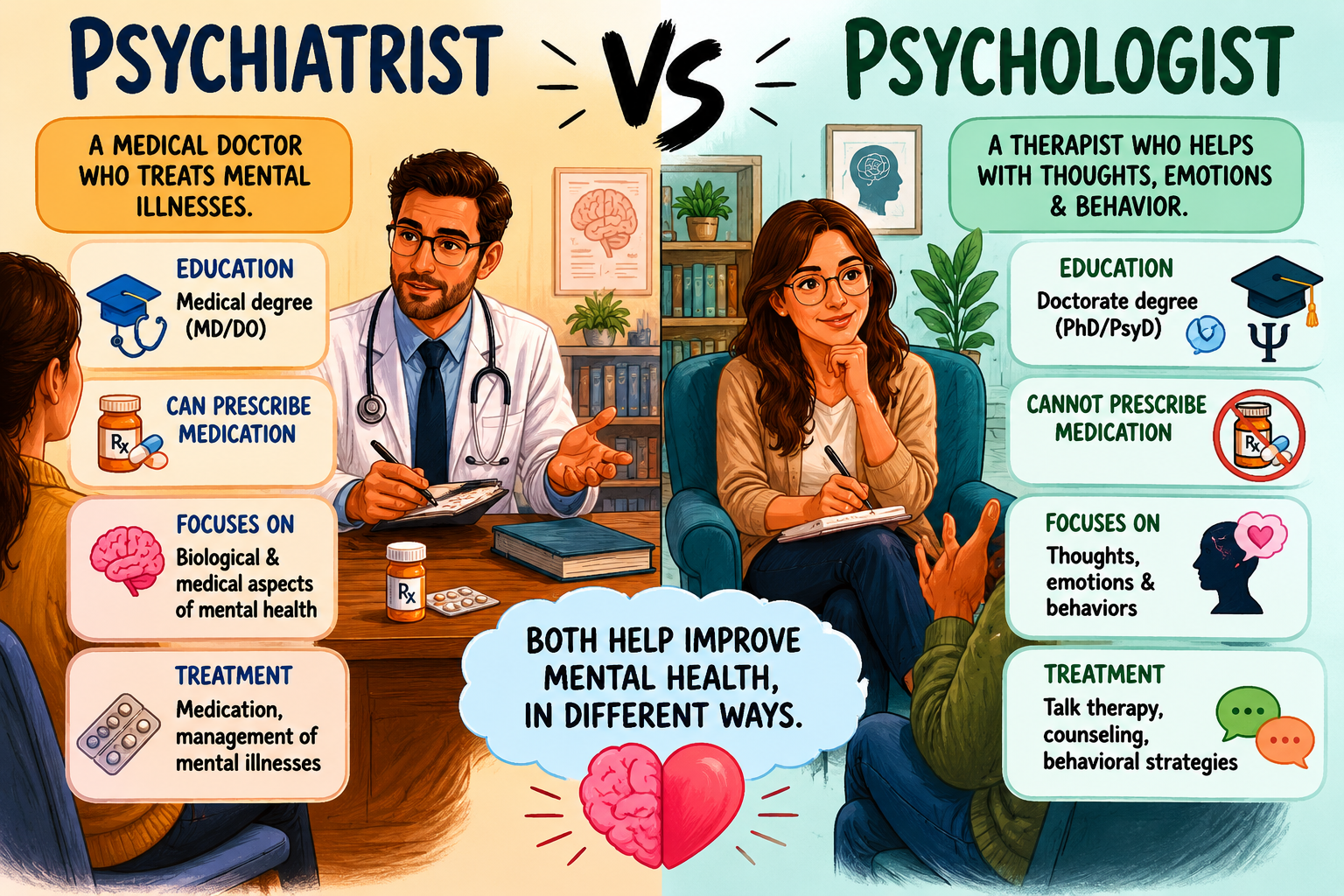
- Pediatrician or primary care provider: first-line screening and medical rule-out.
- Child psychologist or licensed therapist: offers CBT, parent training, play therapy, or family therapy.
- Child and adolescent psychiatrist: evaluates for medication when needed, often in combination with therapy.
- School psychologist/counselor: supports school-based interventions.
Therapy approaches:
- Cognitive Behavioral Therapy (CBT) is the most supported treatment for child anxiety.
- Exposure-based techniques gradually reduce avoidance.
- Play therapy and parent-child interaction therapy work well for preschoolers.
- In some cases, selective serotonin reuptake inhibitors (SSRIs) are considered under specialist guidance.
Sources and guidelines: See recommendations from the [American Academy of Pediatrics (AAP)] and [Anxiety and Depression Association of America (ADAA)].
Crisis signs and immediate steps to take
Seek immediate help if:
- Your child expresses intent to harm themselves or others.
- There are sudden, severe behavioral changes or psychotic symptoms.
- You are worried about safety or imminent danger.
Immediate actions:
- Stay with your child and remove any means of harm.
- Call local emergency services (e.g., 911 in the U.S., 999 in the UK).
- Contact your local mental health crisis line or pediatrician.
- In the U.S., dial 988 for the Suicide & Crisis Lifeline. In the UK, call NHS 111 or emergency services if at immediate risk.
Conclusion
Recap of key signs and practical steps
Recognizing signs of anxiety in children means watching for persistent emotional, behavioral, and physical changes. Understanding child anxiety signs and child anxiety triggers and signs helps parents act early. Practical parenting tips for anxious children include maintaining routines, validating feelings, and using gradual exposure combined with CBT-informed coping tools. Helping children manage anxiety starts with small steps at home, collaboration with schools, and seeking professional help when needed.
Encouragement to act early and use available supports
Early action makes a difference. If you notice warning signs—whether anxiety symptoms in preschoolers or social withdrawal in older children—reach out. Small, consistent supports can prevent problems from worsening and build lifelong coping skills.
Practical next steps:
- Keep a simple symptom log for 2–4 weeks (what, when, triggers).
- Talk with your pediatrician about screening.
- Reach out to your school counselor for support plans.
- Consider a referral to a child psychologist if symptoms persist or interfere with daily life.
If you're concerned, act now: schedule a primary care visit, ask about behavioral health referrals, and use school supports. Early, compassionate action helps children regain confidence and calm.