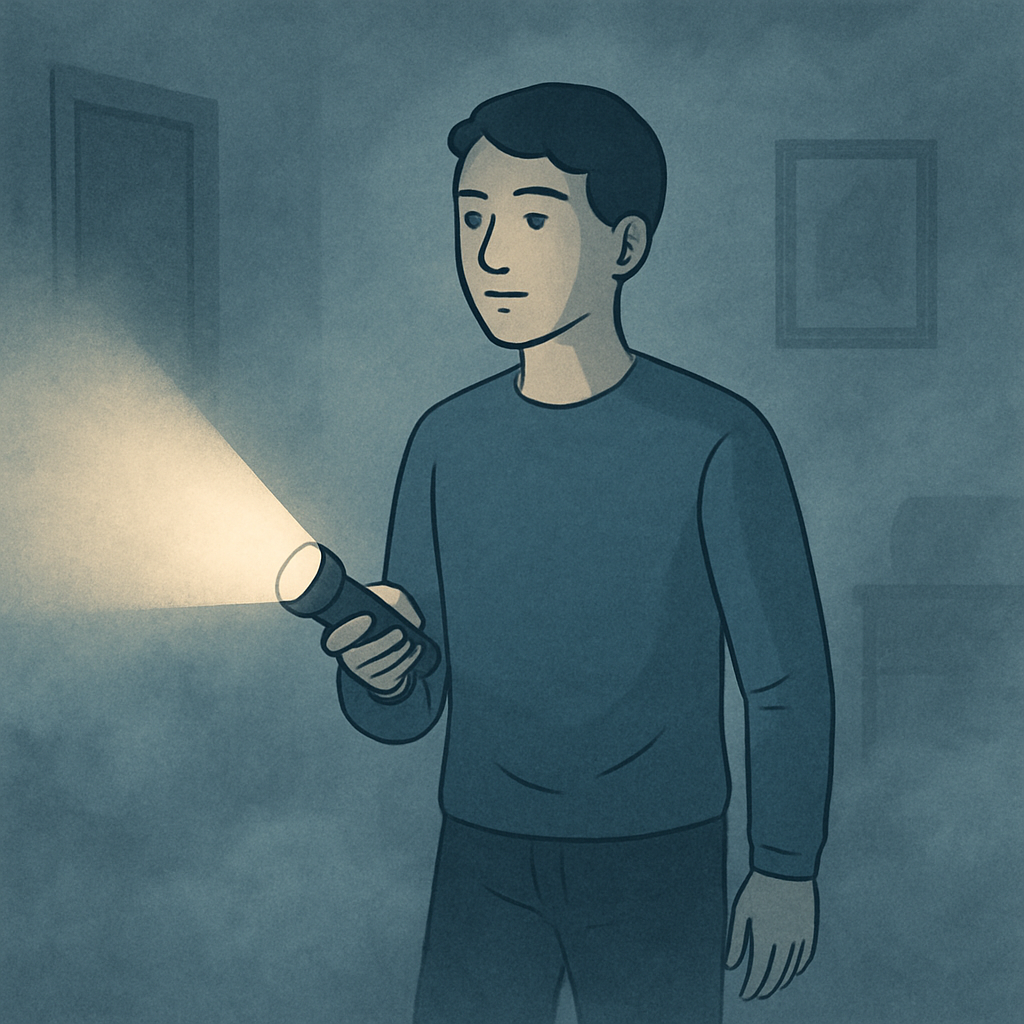
10 Signs of High-Functioning Anxiety
High-Functioning Anxiety: 10 Common Signs You Shouldn’t Ignore
Many people who struggle with high-functioning anxiety appear calm, capable, and successful on the outside. They may excel professionally, stay organized, care deeply about others, and manage responsibilities well. Internally, however, they often experience constant worry, racing thoughts, self-pressure, and emotional exhaustion that others rarely see.
Because high-functioning anxiety is frequently hidden behind productivity and achievement, it can go unnoticed for years. Some people do not realize how much stress they carry until they feel burned out. They may have sleep problems, panic symptoms, relationship strain, or ongoing emotional fatigue.
High-functioning anxiety is not always a formal clinical diagnosis. Still, it is very real for many people. It often involves living in a near-constant state of internal tension while continuing to meet the demands of everyday life.
Below are 10 common signs of high-functioning anxiety and how counseling can help.
1. You Overthink Everything

One of the most common signs of high-functioning anxiety is persistent overthinking. Many people replay conversations long after they happen. They analyze decisions again and again. They also worry about how others may see them. Even relatively small situations can feel mentally exhausting because the mind rarely slows down.
Individuals with high-functioning anxiety often put a lot of pressure on themselves. They try to say the “right” thing, make the “right” choice, and avoid mistakes. As a result, they may spend too much time rereading emails before sending them. They may rehearse talks in their minds. They may second-guess their choices. They may obsess over small details that others may not notice.
Over time, this constant mental overanalysis can contribute to stress, emotional fatigue, difficulty relaxing, and increased self-criticism.
2. You Feel Responsible for Everything
People with high-functioning anxiety frequently carry an intense sense of responsibility. They may feel pressure to keep everyone happy. They may try to stop problems before they start. They may try to stay in control of situations they cannot control.
This can lead to taking on too many tasks. It can make it hard to say no. You may feel guilty when you put your needs first. Many individuals become so accustomed to caring for others that they rarely allow themselves time to rest emotionally.
While being dependable and caring are good qualities, it can be harmful to always act out of pressure and duty.
This can lead to stress.
It can also cause burnout.
3. You Appear Calm on the Outside but Feel Anxious Internally

Many individuals with high-functioning anxiety become skilled at hiding their emotional struggles. To others, they may appear successful, composed, organized, and highly functioning. Internally, however, they may feel overwhelmed, restless, or mentally drained most of the time.
Because they still meet expectations and handle duties, friends, family, or coworkers may not see their hidden anxiety. This disconnect can sometimes leave individuals feeling isolated or misunderstood.
Over time, maintaining a calm external appearance while struggling internally can become emotionally exhausting and difficult to sustain.
4. You Have Trouble Relaxing
For many people with high-functioning anxiety, slowing down feels uncomfortable rather than peaceful. Even during moments of rest, the mind may continue racing with worries, planning, mental checklists, or future concerns.
Some individuals begin associating productivity with self-worth, making it difficult to truly relax without feeling guilty or unproductive. Vacations, weekends, or quiet evenings may feel unfamiliar because your nervous system is used to constant activity and stimulation.
As a result, rest may feel undeserved or anxiety-provoking instead of restorative.
5. You Struggle With Perfectionism
Perfectionism is commonly linked to high-functioning anxiety. Many individuals place extremely high expectations on themselves and fear criticism, failure, or disappointing others.
While striving for excellence can be healthy in moderation, perfectionism driven by anxiety often creates relentless internal pressure. People may avoid risks, procrastinate because they fear mistakes, or become too self-critical when things do not go as planned.
Unfortunately, perfectionism rarely creates lasting peace or satisfaction. Instead, it often reinforces anxiety by creating the belief that personal worth depends on performance or achievement.
6. You Experience Physical Symptoms of Stress
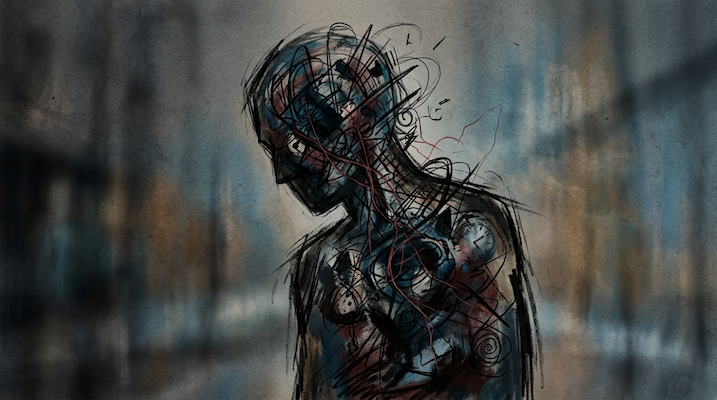
Anxiety affects both the mind and the body. Many people with high-functioning anxiety have ongoing physical symptoms without realizing stress may be causing them.
Chronic anxiety can cause muscle tension, headaches, fatigue, stomach discomfort, and a rapid heartbeat.
It can also lead to jaw clenching, trouble sleeping, and physical restlessness. Because the body remains in a prolonged state of alertness, the nervous system may struggle to fully relax.
Over time, chronic stress can harm emotional and physical well-being. This is more likely when anxiety goes unaddressed for a long time.
7. You Constantly Stay Busy
Keeping busy can sometimes become a way of avoiding uncomfortable thoughts or emotions. Many people with high-functioning anxiety feel uneasy when life gets too quiet.
Stillness can give anxious thoughts room to surface.
As a result, they may overwork, overschedule themselves, or remain constantly occupied with tasks, projects, or responsibilities. Productivity can become a coping mechanism that temporarily distracts from emotional stress.
Although staying busy may help for a short time, it can stop people from slowing down.
It can also keep them from processing feelings or dealing with the real causes of anxiety.
8. You Seek Reassurance Frequently
People with high-functioning anxiety often struggle with uncertainty. They may seek reassurance from others to feel calmer or more secure.
This can appear in relationships, work situations, parenting, or everyday decisions. Individuals may frequently wonder whether they upset someone, made the correct choice, or handled a situation appropriately. Even when reassurance is received, the relief is often temporary because anxiety tends to return once uncertainty reappears.
Over time, this cycle can create emotional exhaustion and reinforce anxious thought patterns.
9. You Have Difficulty Sleeping
Sleep difficulties are extremely common among individuals experiencing chronic anxiety. Many people find their minds are most active at night. External distractions decrease, and anxious thoughts become more noticeable.
Some people struggle to fall asleep due to racing thoughts or worry. Others wake often at night feeling alert or tense. Even after sleeping, they may continue feeling emotionally drained or unrested.
Because good sleep helps control emotions and manage stress, ongoing sleep problems can worsen anxiety over time.
10. You Feel Exhausted Even While Functioning Well
One of the most overlooked signs of high-functioning anxiety is emotional exhaustion hidden beneath outward success. Even when individuals are accomplishing goals, managing responsibilities, and appearing productive, they may internally feel overwhelmed, depleted, or constantly “on edge.”
Living in a prolonged state of mental alertness requires significant emotional energy. Over time, constantly monitoring thoughts, emotions, responsibilities, and expectations can leave individuals feeling disconnected from peace, rest, or enjoyment.
Many people eventually reach a point when they realize they no longer want to just “get through” life. They want a healthier sense of balance, calm, and emotional well-being.
How Counseling Can Help With High-Functioning Anxiety

Counseling can help individuals better understand the underlying causes of anxiety while developing healthier ways to manage stress, emotions, self-pressure, and negative thought patterns.
Therapy may help individuals:
reduce overthinking and racing thoughts,
improve emotional regulation,
develop healthier boundaries,
address perfectionism and self-criticism,
process unresolved emotional experiences,
and learn practical coping strategies for stress and anxiety.
Approaches such as cognitive behavioral therapy (CBT) can help people build emotional balance and self-awareness. Mindfulness techniques, stress management strategies, and hypnotherapy can also help.
At Kelly Johnston Counseling, counseling and hypnotherapy services are available for anxiety and stress. They also help with trauma recovery, self-esteem, and personal growth. Services are offered in Conroe, TX and across Texas through telehealth.
Final Thoughts
High-functioning anxiety often remains hidden because individuals continue showing up for work, relationships, responsibilities, and daily life despite their internal stress. However, functioning well externally does not always mean someone feels emotionally healthy internally.
Over time, chronic anxiety can affect emotional well-being, physical health, relationships, sleep, confidence, and overall quality of life.
Recognizing the signs of high-functioning anxiety is an important first step toward creating healthier patterns. It can help improve emotional balance and build more peace and self-compassion.
If anxiety has begun interfering with your ability to rest, relax, enjoy life, or feel emotionally present, support is available.
FAQ Section
FAQ 1
What is high-functioning anxiety?
High-functioning anxiety means ongoing anxiety in people who seem successful and capable but feel stressed inside.
FAQ 2
What are common signs of high-functioning anxiety?
Common signs include overthinking, perfectionism, difficulty relaxing, chronic stress, people-pleasing, racing thoughts, and sleep problems.
FAQ 3
Can counseling help with anxiety?
Yes. Counseling can help individuals develop coping skills, reduce stress, improve emotional regulation, and address the underlying causes of anxiety.
FAQ 4
Is high-functioning anxiety treatable?
Yes. Therapy can help reduce anxiety symptoms and improve emotional well-being. Stress management techniques can also help. CBT, mindfulness, and hypnotherapy may reduce anxiety symptoms too.