Support for Teen Anxiety
Finding the Right Support for Teen Anxiety: A Practical Guide for Parents, Caregivers, and Teens

Kelly-Johnston Counseling, Conroe Texas
Anxiety in adolescence is common, real, and treatable. Whether you’re a parent noticing new patterns, a teacher concerned about a student, or a teen wondering if your worries are “normal,” this guide is designed to help you recognize signs, compare options, and take concrete steps toward support. It blends research-backed approaches with practical next steps for English-speaking families in the U.S., U.K., Canada, and Australia.
Understanding Teen Anxiety: Signs, Causes, and When to Seek Help

Common signs of anxiety in adolescents
Anxiety shows up in many ways. Watch for behavioral, emotional, and physical indicators:
- Behavioral
- Avoidance of school, friends, or activities they once liked
- Changes in study habits or school performance
- Increased irritability, clinginess, or oppositional behavior
- Emotional
- Excessive worry about school, appearance, or social acceptance
- Persistent feelings of dread, being on edge, or fear of judgment
- Panic attacks: intense fear, racing heart, shortness of breath
- Physical
- Sleep problems (insomnia or frequent waking)
- Headaches, stomachaches, muscle tension
- Changes in appetite or unexplained fatigue
These observable signs are central to helping teens with anxiety because early detection leads to better outcomes. If symptoms last more than a few weeks, interfere with everyday functioning, or escalate rapidly, it’s time to consider professional support.
Common causes and risk factors for teen anxiety
Anxiety in adolescents usually arises from a mix of factors:
- Biological: family history of anxiety or mood disorders, temperament
- Developmental: brain changes during puberty that affect emotion regulation
- Social and academic: bullying, social media pressures, exam stress
- Family dynamics: parental mental health, family conflict, major life events
- Trauma and chronic stress: bereavement, abuse, or financial instability
Knowing these contributors helps match mental health resources for teens to individual needs. For example, school-based support may address academic stress, while specialized therapy could target trauma-related anxiety.
When anxiety becomes a problem worth professional support
Everyday worry is part of growing up, but seek help when:
- Anxiety significantly limits school attendance, friendships, or family life
- Symptoms persist beyond several weeks or worsen
- There are repeated panic attacks or avoidance of important activities
- The teen expresses thoughts of self-harm or engages in risky behavior
Early intervention matters. Research shows that evidence-based treatments delivered early reduce symptom severity and improve long-term functioning. If you’re unsure, start by contacting a primary care provider, school counselor, or a local mental health organization for guidance on finding help for anxious teens.
Exploring Anxiety Support for Adolescents: Who Can Help
Transition: After recognizing signs and causes, it’s useful to know the landscape of supports available.
Primary care providers and pediatricians
Primary care clinicians and pediatricians often serve as the first point of contact. Their role includes:
- Screening for anxiety during routine visits
- Providing initial guidance and psychoeducation
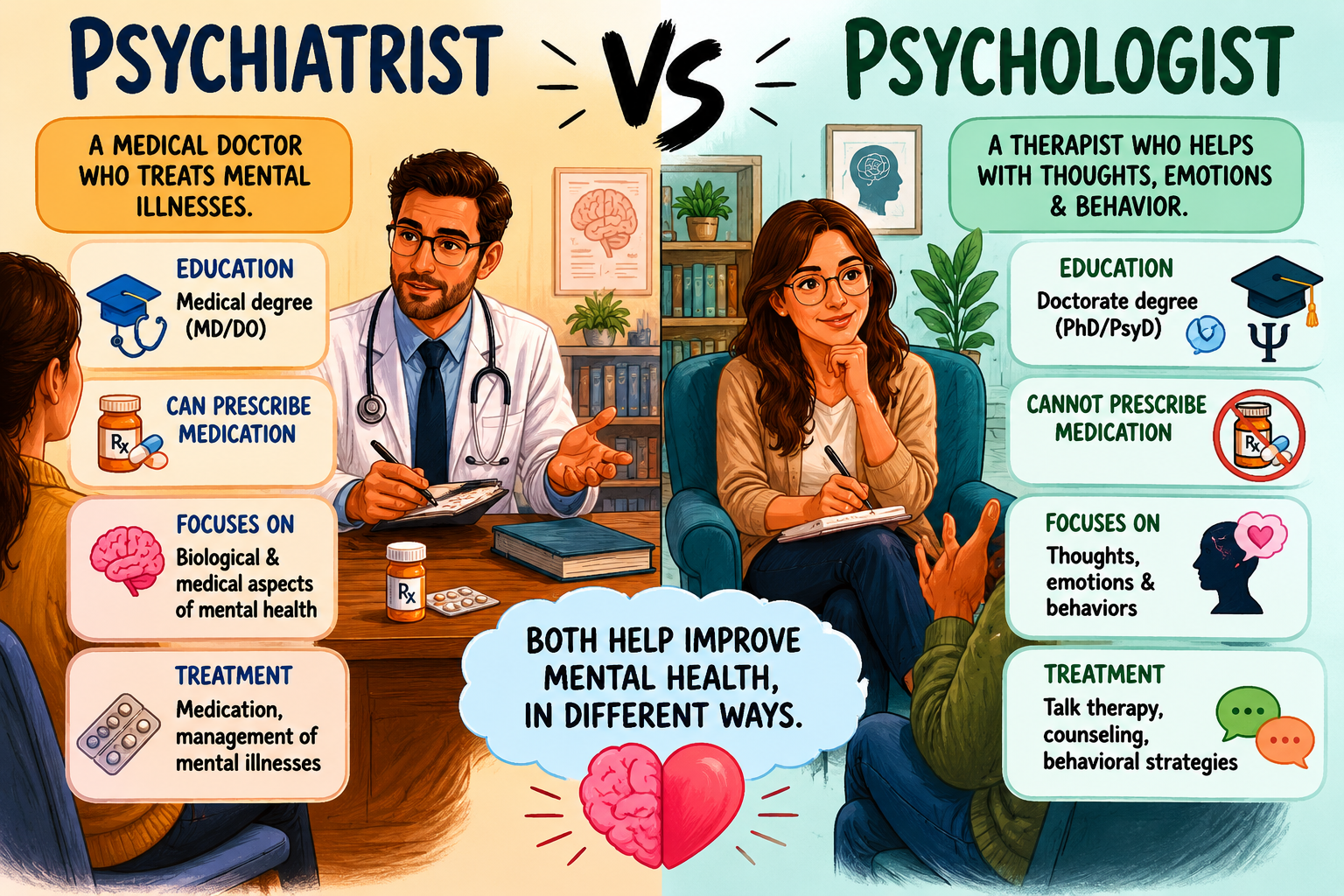
- Referring families to specialists (child psychologist, psychiatrist)
- Prescribing or coordinating medication when indicated
If your teen is reluctant to see a mental health specialist, a pediatrician conversation can be a less intimidating start. In many regions, pediatric practices now use standardized screening tools, such as the GAD-7 adapted for adolescents, to flag anxiety.
School-based supports and counselors
Schools are a crucial access point for support for teen anxiety:
- School counselors and psychologists can provide short-term counseling and behavioral interventions
- School-based mental health programs often run evidence-based groups (CBT skills, social skills)
- Schools can recommend accommodations (504 plans or IEPs) to support learning during treatment
For many families, school supports are low-cost and timely. If your teen struggles academically because of anxiety, ask the school about their counseling services and referral processes.
Community organizations and peer support groups
Community resources expand access:
- Local nonprofits (e.g., NAMI in the U.S., Young Minds in the U.K., Kids Help Phone in Canada) offer support groups and family resources
- Peer-led groups or youth clubs can help normalize experiences and reduce isolation
- Faith-based and community centers sometimes provide counseling or referrals
Peer support is especially beneficial for adolescents who respond well to connection and shared experience. These groups are part of the broader network offering anxiety support for adolescents.
Teen Anxiety Counseling Options: What Works and How to Choose
Transition: With multiple support options, choosing the right treatment is key. Below are evidence-based approaches and how to evaluate them.
Evidence-based therapies for teens (CBT, ACT, DBT)
Several therapies have strong evidence for adolescent anxiety:
- Cognitive-Behavioral Therapy (CBT)
- Focus: changing unhelpful thoughts and behaviors
- Proven efficacy for generalized anxiety, social anxiety, panic disorder
- Typical format: 8–20 sessions; includes exposure exercises and skills training
- Acceptance and Commitment Therapy (ACT)
- Focus: values-based living and acceptance of uncomfortable feelings
- Useful when anxiety includes avoidance or rigid control strategies
- Dialectical Behavior Therapy (DBT) adapted for adolescents
- Focus: emotion regulation, distress tolerance, interpersonal effectiveness
- Often used when anxiety coexists with mood instability or self-harm risk
CBT is the most extensively studied for adolescent anxiety and frequently appears in clinical guidelines. These approaches are central to helping teens with anxiety and often form the backbone of teen anxiety treatment resources.
Medication and combined treatments
Medication can be effective, especially when combined with therapy:
- Selective serotonin reuptake inhibitors (SSRIs) are commonly prescribed for adolescent anxiety
- Benefits: can reduce symptom severity and allow better engagement in therapy
- Risks: side effects, need for careful monitoring, and discussion of benefits vs. risks
- Combined treatment: medication + CBT often yields better outcomes in moderate-to-severe cases
Medication decisions should involve a child psychiatrist or pediatrician, informed consent, and careful follow-up. For families in the U.S., the American Academy of Child and Adolescent Psychiatry provides guidelines.
Teletherapy, hybrid care, and choosing a clinician
Teletherapy expanded rapidly and offers advantages:
- Pros: accessibility, convenience, greater provider options (especially in rural areas)
- Cons: limited for crisis care, requires reliable internet and a private space
- Hybrid care (in-person + telehealth) can combine benefits
Choosing a clinician:
- Check credentials (licensed psychologist, LCSW, LCSW, LPC/therapist; in the U.K., look for HCPC-registered practitioners)
- Seek providers with adolescent experience and training in CBT/DBT/ACT
- Ask about outcome measures, session structure, and family involvement
- Evaluate comfort level: rapport matters—consider an initial consultation
These are practical ways to weigh teen anxiety counseling options.
Practical Steps to Find Help for Anxious Teens
Transition: The following step-by-step guidance will help you locate and evaluate supports.
How to search for and evaluate mental health resources for teens
Start with trusted directories and referral tools:
- National directories:
- U.S.: SAMHSA Treatment Locator
- U.K.: NHS mental health services
- Canada: Kids Help Phone and provincial resources
- Australia: Headspace and government mental health services
- Professional directories: Psychology Today, GoodTherapy, Zencare
- Local sources: school counselor, pediatrician, community health centers
Evaluate programs using these criteria:
- Evidence of experience with adolescents and anxiety
- Use of evidence-based therapies (CBT/ACT/DBT)
- Clear policies on confidentiality and parental involvement
- Insurance coverage or sliding-scale fees
- Verified credentials and licensure
This approach simplifies finding help for anxious teens and locating appropriate mental health resources for teens.
Making the first appointment and preparing the teen
Practical tips to prepare:
Talk with your teen privately; be honest and nonjudgmental
Use a short script if needed:
"I've noticed you've been [describe behavior] and I'm worried. I want to support you. Would you be open to talking with someone who understands what teens go through?"
Discuss confidentiality: what will be shared with parents and when (e.g., safety concerns)
Set expectations: explain what therapy sessions look like and the first assessment purpose
Role-play or rehearse with the teen if they’re anxious about the appointment
These steps make beginning support for teen anxiety less intimidating.
Cost, insurance, and low-cost alternatives
Navigating finances:
- Check insurance: call member services to confirm mental health coverage, copays, and in-network providers
- Explore employee assistance programs (EAPs) for short-term counseling
- Sliding-scale clinics, community mental health centers, university training clinics, and nonprofit organizations offer low-cost care
- School-based counseling and youth services are often free or minimal cost
Resources like SAMHSA and local health departments list low-cost options. These practical options are part of the larger map of teen anxiety treatment resources.
Supporting Teens at Home and School: Ongoing Strategies
Transition: Professional care helps, but day-to-day support at home and school sustains progress.
Communication, validation, and building coping skills
Families can do a lot to support recovery:
- Validate feelings: “I can see that’s really hard” rather than minimizing
- Teach brief coping tools:
- Grounding techniques (5-4-3-2-1 sensory exercise)
- Deep belly breathing (box breathing)
- Brief behavioral experiments to test anxious predictions (CBT technique)
- Encourage small, graded exposures to feared situations with support
- Model self-care and calm problem-solving
These practical techniques are central to helping teens with anxiety and improve resilience.
Coordinating with schools and teachers
Work collaboratively with schools:
- Request a meeting with the school counselor and the teacher to explain needs
- Consider accommodations such as: extended time on tests, a quiet place for breaks, or flexible attendance plans
- Understand 504 vs. IEP basics:
- 504 plans provide accommodations for health-related barriers
- IEPs (special education) provide individualized instruction if anxiety significantly impacts learning
- Share a treatment plan summary with consent and, if helpful, offer teacher tips to implement in class
School coordination expands the reach of mental health resources for teens into the learning environment.
Self-care, lifestyle, and peer influences
Lifestyle matters:
- Sleep: adolescents generally need 8–10 hours; prioritize consistent schedules
- Exercise: 30–60 minutes of moderate activity most days supports mood regulation
- Screen time: encourage balanced use and mindful social media habits
- Peer support: facilitate safe social connections and supervised social activities
These everyday strategies complement formal anxiety support for adolescents and help maintain gains between sessions.
Resources and Tools: Directories, Apps, and Further Reading
Transition: Below are vetted resources and tools to speed up finding help for anxious teens.
Trusted directories and hotlines
- U.S.: 988 Suicide & Crisis Lifeline (call/text 988); SAMHSA Treatment Locator
- U.K.: Samaritans (116 123); NHS mental health resources
- Canada: Kids Help Phone (1-800-668-6868, text CONNECT to 686868)
- Australia: Lifeline Australia (13 11 14); Headspace directories
National organizations like NAMI (U.S.) and Mind (U.K.) provide family guides and service directories.
Recommended apps and digital tools
Evidence-backed and teen-friendly apps:
- MindShift (designed for anxiety; free in many countries)
- Calm and Headspace (guided meditations and sleep tools; teen content)
- Woebot (chat-based CBT tools; check age eligibility)
- Mood tracking apps and digital CBT programs that partner with clinicians
Use apps as adjuncts—not replacements—for therapy. Discuss digital tools with your clinician to ensure fit.
Books, handouts, and guides for families and teens
Recommended reads:
- “Anxiety Relief for Teens” by Regine Galanti (worksheets and exercises)
- “Cognitive Behavioral Therapy for Anxiety in Children and Adolescents” (practitioner and parent guidance)
- Family handouts and workbooks available from NIMH, CDC, and local mental health organizations
Printable worksheets (worry logs, fear ladders) are useful homework tools between sessions. Many school counselors and therapists provide these resources.
Conclusion: Taking the Next Step Toward Effective Support
Recognizing anxiety, comparing teen anxiety counseling options, and tapping into mental health resources for teens are the three steps that make timely, effective help possible. Start by observing signs, talk with a trusted provider, and use school or community supports to bridge care. Early, evidence-based intervention—CBT, family-supported strategies, and, when appropriate, medication—gives teens the best chance to regain confidence and functioning.
You don’t need to solve this alone. Small steps—making one call, booking one appointment, or trying one coping skill—can change the path for a teen with anxiety.
Practical next steps:
- If in immediate danger or thinking about self-harm, call your national emergency number now (e.g., 911 in the U.S.)
- For non-urgent help: contact your pediatrician, school counselor, or use a national directory like SAMHSA or NAMI
- Keep a short log for two weeks of symptoms, triggers, and sleep to share at the first appointment
If you’d like, I can:
- Draft a short script for talking with your teen
- Search for local clinicians and low-cost clinics in your area (tell me your city/state/country)
- Recommend specific worksheets or apps tailored to your teen’s needs
Take one step today toward finding help for anxious teens—because timely support can make a lasting difference.
Sources and further reading: