
8 Proven Relaxation Strategies for Stress
Relaxation Strategies for Stress: 7 Proven Techniques to Calm Your Mind and Body
Stress affects millions of people daily, impacting mental health, productivity, and physical well-being. Fortunately, using effective relaxation strategies for stress can help you regain control, reduce anxiety, and improve your overall quality of life.
In this guide, you'll learn scientifically proven stress relief techniques that work quickly and naturally.
Why Relaxation Strategies for Stress Are Important
Chronic stress can lead to serious health problems, including:
- Anxiety and depression
- High blood pressure
- Poor sleep quality
- Fatigue and burnout
Practicing relaxation techniques for stress management helps lower cortisol levels, calm your nervous system, and restore emotional balance.
After your hypnosis session with Jaye at Kelly-Johnston Counseling.
You will be given a personalized recording of your relaxation strategies for stress, to use during meditation.
Below is the link for more information on treating stress and anxiety.
2. Deep Breathing: One of the Fastest Relaxation Strategies for Stress
Deep breathing is a simple but powerful way to activate your body's relaxation response.
How to practice deep breathing:
- Inhale slowly through your nose for 4 seconds
- Hold your breath for 4 seconds
- Exhale slowly through your mouth for 6 seconds
- Repeat for 3–5 minutes
Benefits:
- Reduces anxiety quickly
- Slows heart rate
- Promotes calmness
Keyword focus: relaxation strategies for stress, breathing exercises for stress relief
3. Mindfulness Meditation to Reduce Stress Naturally
Mindfulness meditation is one of the most effective relaxation strategies for stress reduction.
It helps you focus on the present moment and prevents overthinking.
Benefits of meditation:
- Reduces anxiety and negative thoughts
- Improves emotional regulation
- Enhances mental clarity
Practice meditation for 5–10 minutes daily for best results.
4. Physical Exercise as a Natural Stress Reliever
Exercise releases endorphins, which improve mood and reduce stress naturally.
Best exercises for stress relief:
- Walking
- Yoga
- Stretching
- Light strength training
Even 10 minutes of physical activity can help reduce stress.
Keyword focus: natural stress relief, exercise for stress management
5. Progressive Muscle Relaxation to Release Tension
Progressive Muscle Relaxation (PMR) helps release physical stress stored in your body.
How it works:
- Tighten one muscle group for 5 seconds
- Release and relax
- Move to the next muscle group
This technique reduces muscle tension and promotes relaxation.
6. Improve Sleep to Support Stress Recovery
Sleep plays a critical role in stress management.
Tips to improve sleep quality:
- Maintain a consistent sleep schedule
- Avoid screens before bedtime
- Create a relaxing nighttime routine
Better sleep improves emotional stability and reduces stress levels.
7. Spend Time in Nature for Natural Relaxation
Nature has a calming effect on your brain and nervous system.
Benefits:
- Reduces cortisol levels
- Improves mood
- Enhances mental clarity
Walking outside for even 10–15 minutes can significantly reduce stress.
8. Journaling to Clear Mental Stress
Writing down your thoughts is one of the simplest relaxation strategies for stress management.
Benefits of journaling:
- Reduces mental overload
- Improves emotional processing
- Helps identify stress triggers
Journaling daily can improve mental health over time.
Daily Habits to Strengthen Relaxation and Stress Management
To get the best results, combine multiple relaxation techniques.
Build these habits:
- Practice breathing exercises daily
- Exercise regularly
- Sleep 7–9 hours per night
- Take breaks throughout the day
Consistency is key to long-term stress relief.
Conclusion: Start Using Relaxation Strategies for Stress Today
Stress is unavoidable, but effective relaxation strategies for stress can help you manage it successfully. By practicing breathing exercises, meditation, exercise, and healthy habits, you can improve your mental health and live a calmer, healthier life.
Start small and stay consistent. Even a few minutes of relaxation each day can make a significant difference.
FAQ: Relaxation Strategies for Stress
What are the best relaxation strategies for stress?
The most effective strategies include deep breathing, meditation, exercise, journaling, and improving sleep quality.
How quickly do relaxation techniques work?
Some techniques like deep breathing work within minutes, while others provide long-term benefits with consistent practice.
Can relaxation strategies improve mental health?
Yes, regular relaxation techniques can reduce anxiety, improve mood, and enhance overall mental well-being.

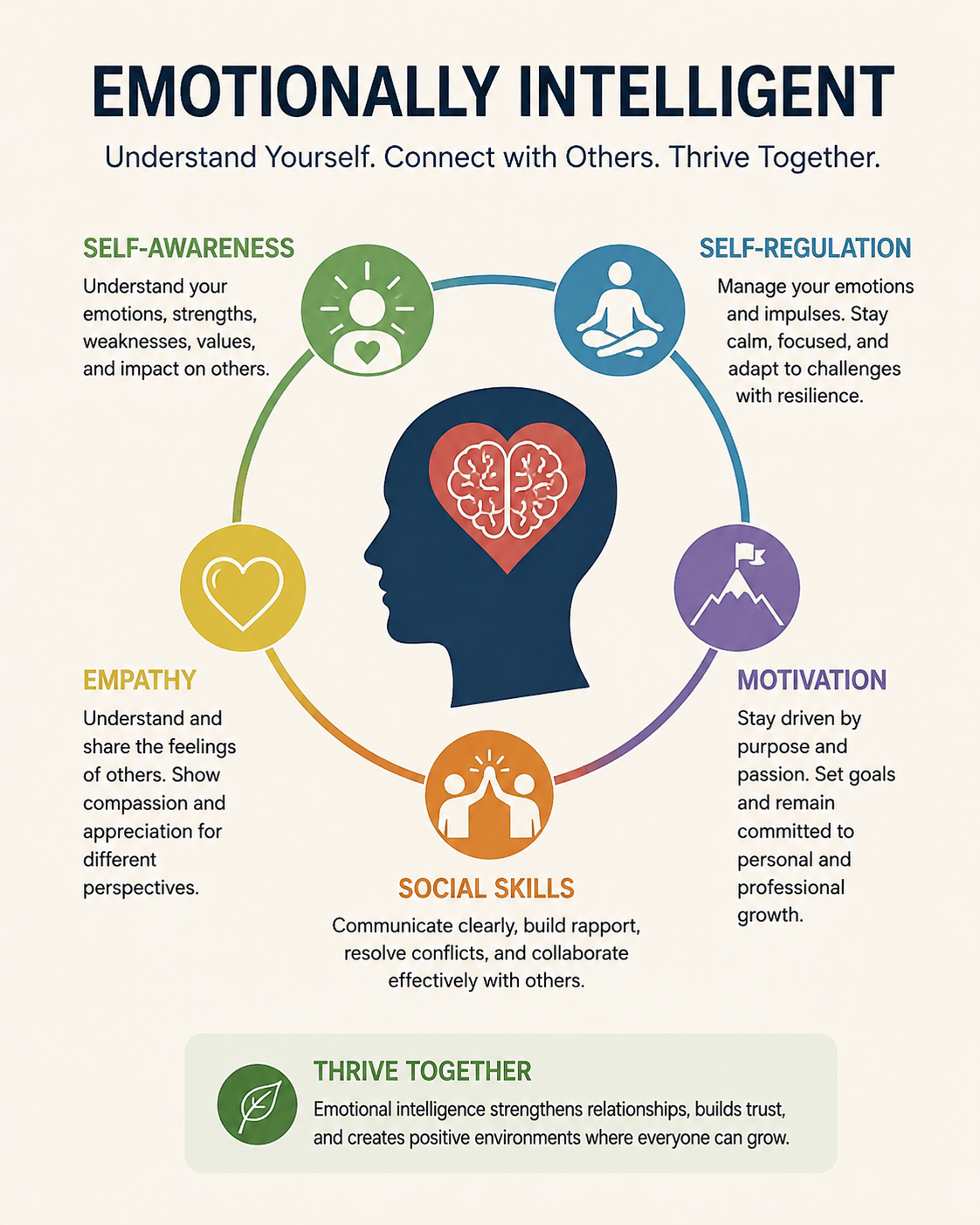

In this comprehensive guide, we will explore the root causes of our discontent, how to navigate the heaviest burdens, and actionable ways to embrace self-improvement and emotional strength.