Holistic Health Tracking
Creating Your Personalized Wellness Chart Guide
You are sleeping eight hours and eating your greens, so why do you still feel exhausted? According to wellness experts, traditional to-do lists track tasks but fail to capture your fluctuating energy levels. Physical health focuses on your body, whereas holistic wellness encompasses your entire lived experience.
Think of your well-being like a GPS system where you know your destination but lack your current coordinates. A wellness chart provides that crucial "You Are Here" dot. In practice, this tool clarifies vague burnout by measuring mental and physical harmony.
Crossing off daily chores will never fix an unbalanced life. Mapping these interconnected areas naturally starts identifying gaps in self-care routines before your internal battery completely drains.
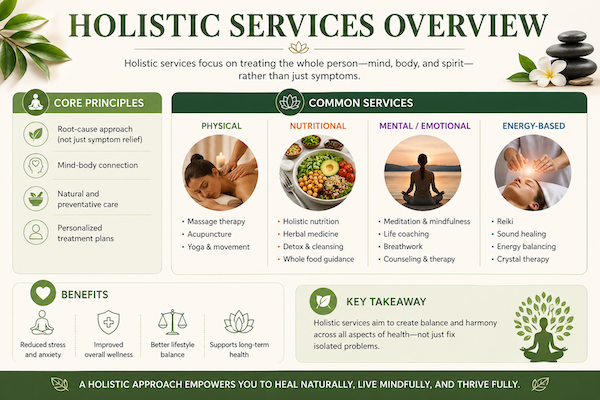
Beyond the Gym: Master the Eight Dimensions of Holistic Health
True vitality requires exploring the eight dimensions of holistic health to uncover what secretly empties your battery.
These pillars of balanced living form your complete wellness foundation:
Physical: Nurturing your body with adequate rest and movement.
Emotional: Acknowledging and respecting your daily feelings.
Social: Engaging in supportive, energizing relationships.
Intellectual: Expanding your mind with stimulating new ideas.
Spiritual: Finding personal purpose and meaning.
Occupational: Gaining satisfaction from your daily work.
Financial: Managing resources effectively to minimize stress.
Environmental: Cultivating safe and pleasant surroundings.
Think of these interconnected areas like a delicate spiderweb. When you pull too hard on the occupational string by constantly overworking, your social and physical strings immediately tighten and lose their shape, throwing your wheel of life assessment tool totally off balance.
Recognizing this interconnectedness is your first step toward reclaiming your energy. Once you know exactly what to measure, you inevitably face the great debate: choosing between digital health apps and paper trackers.
The Great Debate: Choosing Between Digital Health Apps and Paper Trackers
Moving from understanding your wellness web to measuring it brings up an immediate choice: swift smartphone convenience or a deliberate physical notebook. When evaluating digital health apps vs paper trackers, the right choice depends entirely on what currently drains your energy.
A physical journal provides tactile feedback, forcing you to slow down and process feelings manually—perfect if screen time causes you stress. Conversely, digital platforms excel at automation, instantly connecting the dots between your Tuesday meetings and your Wednesday fatigue. These distinct benefits of consistent health journaling help you select a method that feels supportive rather than burdensome.
Ultimately, the best tool is simply the one you will still use when your motivation is lowest. By matching your tracking style to your natural daily habits, you build a self-care accountability system that actually sticks. Once you select your preferred medium, you are ready to start building your system and learn how to track daily wellness habits without the overwhelm.
Building Your System: How to Track Daily Wellness Habits Without the Overwhelm
Wellness Foundation Chart PDF Download or view
WELLNESS FOUNDATION Simplfied
Spiritual
▲
│
Intellectual ◄──┼──► Occupational
│
Social ◄────────────── YOU ──────────────► Financial
│
Emotional ◄──┼──► Environmental
│
▼
Physical
Staring at a blank tracking page shouldn't feel like another overwhelming chore. Learning how to track daily wellness habits is about simplicity, not capturing every waking minute of your schedule. Your initial goal is just to identify the hidden triggers of afternoon energy crashes without stressing yourself out.
A sustainable system focuses strictly on these five essential metrics:
Sleep quality
Hydration levels
Movement minutes
Mood score
Energy peaks
Simplifying your nutrition and hydration tracking can help you notice quick physical connections. For example, drinking a glass of water can prevent midday brain fog.
Think of your emotional capacity like a smartphone. When building your emotional state tracking log, use a "Battery Level" scale from 1 to 10. A "10" means you are fully charged and ready to socialize, while a "2" signals you need quiet rest to recharge. This quantifies your mental space effortlessly, without forcing you to find the perfect descriptive words.
Over time, these brief check-ins show your circadian rhythm patterns. They reveal predictable peaks and dips in your daily energy. Working with these rhythms rather than fighting them keeps you feeling balanced. Soon, this simple data becomes your best tool for spotting the burnout signal: using your chart to identify gaps in self-care.
Simple Self-Check Version
Rate each area from 1–10:
Physical: ____ /10
Emotional: ____ /10
Social: ____ /10
Intellectual: ____ /10
Spiritual: ____ /10
Occupational: ____ /10
Financial: ____ /10
Environmental: ____ /10
This helps identify strengths and areas needing more attention.
Spotting the Burnout Signal: Using Your Chart to Identify Gaps in Self-Care
You’ve recorded your daily battery levels, but the magic happens when you look at the bigger picture. Those scattered data points soon act like an emotional weather forecast, alerting you to incoming storms. Effectively monitoring burnout symptoms at home means noticing small changes.
For example, poor sleep may come before a mood crash.
This can happen before exhaustion forces a sick day.
If your wellness chart shows that late-night meetings often ruin your energy the next day, you found a key pattern. Recognizing this interconnectedness serves as your burnout early-warning system, highlighting exactly what drains your reserves.
Turning this information into action transforms your routine from just getting by to genuinely thriving. Creating a step-by-step lifestyle audit guide with your own metrics helps you find habits that need change. As you tweak your schedule, seeing your growth progress can feel very motivating. You can clearly see your baseline numbers improve.
The vague feeling of overwhelm quickly disappears once you have a concrete plan. You are not guessing why you feel off anymore. You are managing your energy and finally feel in control. To put this into practice today, focus on your first 24 hours: a simple lifestyle audit to kickstart your progress.
Your First 24 Hours: A Simple Lifestyle Audit to Kickstart Your Progress
Before, you might have felt lost in the daily grind, but now you have the coordinates to map your well-being. Your wellness chart gives clear data to guide your daily habits. Turn it on and stay aware. That is half the battle.
To build a consistent health journaling routine, complete this 24-hour plan:
Choose a tool (a digital health tracker or paper fitness planner).
Pick just 2 dimensions to track to avoid overwhelm.
Set a daily "check-in" alarm on your phone.
Success isn't about tracking weight or cutting calories; it's about waking up feeling balanced, focused, and energized. Start this simple routine today, trust your new map, and watch your small daily check-ins naturally steer you toward a more vibrant life.