OCD Test: Essential Guide Understanding and Taking It
Understanding OCD Tests: What You Need to Know
Have you ever found yourself double-checking locks again and again?
Do you wash your hands too much?
Do you have upsetting thoughts that show up without warning and won’t go away? If these behaviors are beginning to interfere with your daily life, you might be wondering if it is time to take an ocd test.
Navigating mental health can feel overwhelming, but using an initial screening tool is often a key first step. It can help you gain clarity. The benefits of early OCD detection are profound. Finding the condition sooner helps people get proven therapy. It also helps them build effective coping skills. This can help them regain peace of mind.
Here is everything you need to know about understanding, taking, and interpreting obsessive compulsive disorder tests.
Recognizing the Signs: When to Seek Assessment
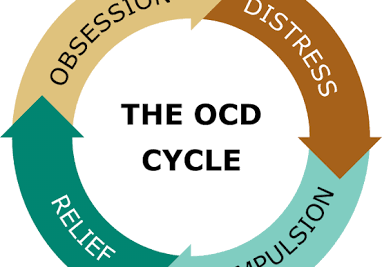
Knowing when to seek answers begins with identifying intrusive thoughts and compulsions. Intrusive thoughts are unwanted and upsetting thoughts, images, or urges. Compulsions are repeated actions meant to reduce the anxiety these thoughts cause.
Understanding the difference between healthy habits and OCD rituals is vital. For example, double-checking your alarm clock once before bed is a healthy habit. However, turning the alarm clock on and off ten times to prevent a feared disaster suggests a deeper issue. By noticing repeated ritual behaviors in your life, you can tell when it is time to check yourself.
This can help you spot possible obsessive-compulsive behaviors.
It is also helpful to familiarize yourself with the common subtypes of OCD symptoms. These can manifest as:
Contamination fears: Excessive cleaning or avoidance of "unclean" spaces.
Symmetry and ordering: A need to arrange items perfectly to avoid intense distress.
Checking compulsions: Repeatedly checking locks, appliances, or even memories.
Unacceptable thoughts: Experiencing taboo intrusive thoughts regarding harm, religion, or intimacy.
The Role of Online Screening Tools
In today’s digital age, if you struggle with distressing routines, you may look for an OCD test online. There are many digital resources available. These range from a quick “do I have OCD quiz” to a free ocd test.
Whether you need an OCD test for adults or an assessment for childhood-onset OCD, these tools are a great start. They can also help a younger family member. Often, people find themselves typing "do I have OCD test" into a search engine during a moment of high anxiety. Taking a straightforward ocd quiz can provide immediate vocabulary for what you are experiencing.
However, you must be aware of the validity of digital mental health tools. While a well-designed online assessment can accurately flag potential symptoms, it cannot replace a doctor. An online quiz is designed to suggest whether your behaviors warrant professional attention, not to diagnose a condition definitively.
Professional Assessments: Moving Beyond the Quiz
Once an online screening indicates a likelihood of OCD, the next step involves a professional mental health evaluation process. Transitioning from internet self-help to a clinical setting ensures you receive an accurate, comprehensive diagnosis.
Psychiatrists and therapists use DSM-5 criteria for obsessive-compulsive disorder to make an official diagnosis. The DSM-5 requires obsessions and compulsions to be time-consuming. They must take more than one hour a day. They must also cause clinically significant distress or impairment.
To measure the severity of these symptoms, professionals use highly standardized tools. The most universally respected of these is the Yale-Brown Obsessive Compulsive Scale (Y-BOCS).
Y-BOCS PDF Open,save and print locally.
A brief comparison of OCD rating scales shows that the Y-BOCS remains the gold standard. It measures time spent on obsessions. It measures how much symptoms interfere with daily life. It measures the distress symptoms cause. It also measures the patient’s ability to resist compulsions.
The Overlap with Other Mental Health Conditions
Mental health symptoms rarely exist in a vacuum. Often, OCD can mimic or coexist with other psychological conditions, which is why professional diagnostic clarity is so important.
Because OCD is rooted in fear and distress, a doctor will also screen for anxiety disorders. If you feel general panic, not specific ritual compulsions, a standard anxiety test may help tell them apart. Furthermore, constant rumination from OCD can disrupt sleep patterns. It may make an insomnia test a helpful part of your health evaluation.
It is also crucial to rule out other complex conditions that share overlapping traits:
Trauma responses: Severe hypervigilance can look like OCD. It often comes from past trauma. A PTSD test may help.
Emotional dysregulation: If distress comes with intense mood swings, a professional may suggest bipolar or borderline personality disorder tests. This helps ensure all symptoms are addressed.
Food and body rituals: Sometimes, strict rituals about eating and body image can blur the lines between conditions. In these cases, taking a “do I have an eating disorder quiz” helps. It also works with traditional obsessive-compulsive disorder tests. Together, they help clinicians find the root cause of the behaviors.
Next Steps: From Results to Treatment
If you have utilized a digital screening tool, knowing how to interpret screening results is your bridge to getting help. A high score means your symptoms match common OCD traits. You should seek a formal psychiatric diagnosis soon.
Here are practical, actionable steps to take if your ocd test suggests you may have the disorder:
Document your symptoms: Keep a journal of your intrusive thoughts and the compulsions you perform. Note how much time they consume each day.
Print your results: Bring the results of your online assessments to your first therapy or psychiatric appointment. It gives the clinician a helpful baseline.
Seek specialized care: Find a therapist trained in Exposure and Response Prevention (ERP). ERP is the leading proven treatment for OCD.
Be completely transparent: OCD thrives on shame and secrecy. Being fully honest during your clinical evaluation helps ensure an accurate diagnosis and an effective treatment plan.
While taking an ocd test can initially feel daunting, it is ultimately a deeply empowering action. It transitions your experience from silent suffering to proactive problem-solving. By utilizing both digital tools and clinical evaluations, you are paving the way for a healthier, more balanced life.