
Sex Lies and Deception: Unraveling Truths in Relationships
Unraveling the Truth Behind Sexual Deception
We’ve all felt a slight tightening in the chest when a partner’s story doesn’t add up.
It’s not because we’re looking for trouble, but because our intuition spots a gap. Perhaps they hesitated when asked about a past relationship, or glossed over a late-night text. According to relationship psychologists, this gut feeling isn’t paranoia.
It’s a valid clue that may warn you about sex, lies, and deception.
Rather than signaling an immediate moral failure, hiding the truth is often a deeply human struggle. Studies suggest that the primary driver behind this concealment is actually a profound fear of judgment. Maintaining complete honesty in relationships can feel scary. People may worry their true desires, past, or mistakes could cost them the one they love.
Questioning your own memory when a loved one dodges a direct question only breeds deeper trust issues. You are absolutely not crazy for noticing the missing pieces of their narrative.
To navigate this murky territory, we must shift from simply reacting to understanding the underlying motives. Identifying these behavior patterns and taking clear steps to recover is essential. Remember, your goal is clarity, not staying together at all costs.
The Weight of a Secret: Categorizing Lies from 'White' to Pathological
Most people assume betrayal is always a massive, dramatic event. In reality, everyday sex lies and deception often start small, driven by a desire to avoid conflict. Think of a single white lie as a tiny pebble; holding it in your pocket is effortless. However, after a year, these small lies become a heavy backpack of stones. They weigh down your bond and cause deep relationship fatigue.
To understand how this burden accumulates, we must examine the underlying motives behind our untruths. Psychologists generally categorize everyday dishonesty into two distinct types:
Pro-Social Lies: These are small lies told to protect a partner’s feelings. Examples include faking satisfaction to spare their ego. Another example is downplaying a harmless crush.
Anti-Social Lies: These are told only for personal gain. They manipulate outcomes or avoid accountability for crossing a boundary.
When anti-social deceit becomes a reflex, you may be seeing patterns of pathological lying.
This toxic dynamic can harm mental health for everyone involved. Pinpointing where a protective lie turns into controlling manipulation is essential for your emotional safety. Once you recognize these active fabrications, it is vital to address omissions. Do this by separating healthy privacy from harmful secrecy.

Relationship Lying and deception
The Selective Lighting Framework: Distinguishing Healthy Privacy from Destructive Secrecy
We often convince ourselves that if we haven't spoken a direct falsehood, we haven't actually lied. Yet, leaving out key details on purpose—called lies of omission—can damage a bond as much as direct lies. To understand this silent damage, we use the "Selective Lighting" framework.
Imagine your shared life is a single room. Omission is like deliberately turning off the lights in specific corners so your partner cannot see the entire picture. When the lights finally turn on, the person who was in the dark sees that their reality has changed. This breaks basic honesty in relationships.
Navigating these dark corners requires grasping the critical difference between privacy and secrecy. True privacy is a healthy boundary that protects your personal freedom. Secrecy is a hidden barrier meant to shut out your partner. It often involves betrayal.
Applying the Selective Lighting test to your own disclosures gives quick clarity. It shows if you are setting a boundary or hiding the truth. Ask yourself if sharing the hidden information would change your partner’s choices. If yes, you are keeping a secret. Unpacking why we hoard these facts reveals the deeper motives of fear and control that drive the concealment of romantic and sexual histories.
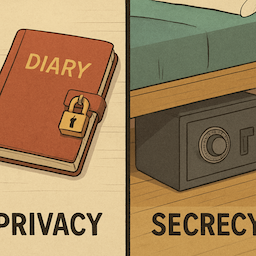
privacy and secrecy
Fear vs. Control: Deciphering the Reasons for Hiding Romantic and Sexual Histories
The urge to gloss over a messy breakup or downplay the past when meeting someone new is almost universal. Curating history initially feels safer than total vulnerability. Yet, understanding the reasons for hiding romantic history is crucial. The motive behind it can decide if broken trust can be repaired.
Experts say people often hide their sexual history for four reasons. They may feel shame. They may fear rejection. They may want a fresh start. Or they may try to manipulate others. The first three are "shame-based" deceptions, acting as a protective shield for those terrified of being deemed unlovable. Conversely, the fourth is "control-based," acting as a weaponized sword. This darker motive directly signals narcissistic manipulation in relationships, where a partner deliberately distorts reality to maintain dominance and keep you off balance.
Breaking this cycle of secrecy is vital, particularly for individuals overcoming compulsive sexual behaviors who require genuine transparency to achieve true intimacy. When you need to face a difficult past, use an inviting script, not a defensive confession.
"I have some history I’m not proud of. I respect you too much to start us with half-truths."
Distinguishing a fearful partner who needs reassurance from a toxic one who thrives on control is your ultimate safeguard. When deceit shifts from anxious self-protection to planned exploitation, this is no longer simple insecurity.
You are stepping into the sweetheart scam, a planned tactic used by sexual con artists living double lives.
The Sweetheart Scam: How to Spot the Tactics of a Sexual Con Artist and Double Lives
Most assume a manipulator looks like a movie villain, but they usually arrive wearing the "Sweetheart" persona. Unlike a flawed partner hiding a messy past out of shame, this deceiver uses intense charm to actively blind you. This is the sweetheart sex lies and deception of a con man, not simple insecurity.
To maintain this illusion, they deploy "love bombing"—overwhelming affection meant to distract from their glaring inconsistencies. When someone showers you with grandiose promises incredibly early on, it isn't always romance. It is often a calculated smoke screen designed to prevent you from asking logical questions.
Looking closely at their routine reveals the warning signs of double life behavior. Instead of healthy privacy, you may notice three clear warning signs. One is time that goes missing with no clear reason. Another is details about daily events that do not match. The last is strong defensiveness when you ask simple questions about their schedule.
Unearthing this calculated betrayal creates a profound psychological earthquake. The complex process of coping with secret lives requires recognizing that this deliberate reality erosion was never your fault. Healing truly begins when you stop blaming your own intuition and hold their toxic blueprint accountable.
Physical absence isn't the only way a partner can construct an alternate reality. As our smartphones become locked vaults, betrayal often shifts from the real world to our hands. It shows up as digital deception and virtual infidelity.
Digital Deception: Identifying Emotional Cheating and the Impact of Virtual Infidelity
A sudden flash of unease often strikes when a partner abruptly dims their phone screen as you enter the room. Technology has changed the rules of romance. It makes it dangerously easy to cross lines without leaving the couch. This is where “micro-cheating” starts. It involves small, seemingly harmless online interactions, like often sending flirtatious emojis to a coworker.
Because these actions lack physical touch, the perpetrator often convinces themselves it isn't actual infidelity. However, the dopamine rush triggered by a secret notification creates a highly addictive neurochemical cycle. This digital thrill-seeking can quickly grow into deep emotional cheating, hurting the betrayed partner. They may realize their shared intimacy was quietly drained through a glowing screen.
Establishing firm digital boundaries is crucial to prevent this modern form of betrayal from eroding your trust. To protect your relationship, you must learn to spot the clear red flags for digital infidelity:
Excessive privacy with devices
Hidden apps
Late-night scrolling patterns
Catching these signs of emotional infidelity forces you to confront the painful reality of modern sex lies and deception. When a partner minimizes this virtual betrayal to avoid accountability, it often triggers a destructive psychological defense that systematically erodes your reality.
Reality Erosion: Protecting Your Mental Health Against Gaslighting and Narcissistic Manipulation
Holding clear proof of a lie, yet believing your partner's denial over your own eyes, is disorienting. When we trust someone deeply, our brain has trouble with conflicting evidence. It often protects the bond instead of facing a painful truth. This internal tug-of-war initiates the profound dishonesty effects on mental health.
To understand how deception escalates, experts point to the "Reality Erosion" model, a three-step process dismantling your perception. It begins with a tiny seed of doubt, like your partner casually insisting a conversation never happened. Next comes their aggressive defense of the lie, quickly pivoting to blame your "paranoia." Ultimately, this pushes you into questioning your sanity, making you dependent on their manufactured story.
Surviving this brand of narcissistic manipulation in relationships requires recognizing how chronic deception alters your reality. Gaslighting does more than break your trust in a loved one. It also slowly destroys your ability to trust yourself.
When the fog rolls in, use cognitive grounding to protect your mind. Try repeating firm grounding statements like, “I know what I experienced,” or, “I will not debate facts.”
Use them to help you stay grounded in reality. Reclaiming your truth is essential before evaluating whether to pursue reconciliation or end the relationship entirely.
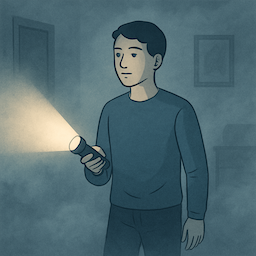
The Fork in the Road: Evaluating Reconciliation vs. Ending Relationships After Betrayal
Society trains us to think an apology fixes everything.
But finding out about a big lie puts you at a scary crossroads. Choosing between reconciliation vs ending relationships requires prioritizing "clarity over comfort"—facing the hard facts rather than settling for a false, fragile peace. The first step to finding clarity is to tell the difference between regret and remorse.
Regret is pain about being caught or facing consequences. Remorse is real empathy for the pain they caused you. Only true remorse provides a safe foundation for the stages of healing from betrayal.
Even if you forgive the deception, remember that forgiveness never obligates you to stay. If you decide to rebuild trust, your partner must do the heavy lifting. They must meet the three “must-haves” for relationship reconciliation:
Complete disclosure: No more trickled truths or "selective lighting."
Voluntary accountability: Willingly answering questions before you have to play detective.
A timeline for change: Measurable behavioral shifts instead of vague promises to "do better."
Healing is rarely linear; surviving the five stages of shock, anger, bargaining, depression, and acceptance requires immense patience. To successfully navigate this journey together, your partner must abandon secrecy entirely and embrace concrete steps for radical transparency.
Beyond 'I'm Sorry': Concrete Steps for Rebuilding Trust Through Radical Transparency
Most couples trying to rebuild trust fall into a painful trap. The betrayed partner can accidentally become a full-time detective. To break this exhausting cycle, experts recommend a temporary but absolute shift to Radical Transparency. This concept dictates that the burden of proof completely shifts to the person who lied. Instead of constantly checking their phone or questioning where they are, your partner shares this information first.
Implementing a “Scheduled Disclosure” routine helps both partners feel less anxious each day.
Set a time each week to openly discuss feelings, triggers, and reassurances. During these check-ins, couples can do an "Honesty Audit." They take a gentle but firm look at transparency. They see if both partners truly honor their commitments. A dedicated space keeps paranoia from affecting everyday conversations. It also sets clear boundaries. This supports healthy communication while the relationship heals.
Watching how your partner handles these audits will show "Green Flags" of real effort.
For example, they may answer hard questions without getting defensive. Sustaining true honesty in relationships needs this level of vulnerability. It sets the stage for choosing clarity over comfort as a lasting path forward.
Living in the Light: Choosing Clarity Over Comfort as a Path Forward
You no longer have to question your own reality. By learning about the complex dynamics of sex, lies, and deception, you can reclaim the power to write your own story. The fog of doubt has lifted. You now have clear insight to set a firm personal truth. You will no longer compromise it. Authentic honesty in relationships needs a shared commitment to this reality. Now you know exactly how to protect your relationship.
As you move through healing after betrayal, remember that true success means finding your own peace. Whether you rebuild a connection or move forward alone, commit to a clear future. Living in the light—where what you see is truly what you get—is the only way to thrive. Trust your intuition, prioritize your mental health, and step confidently into your truth.

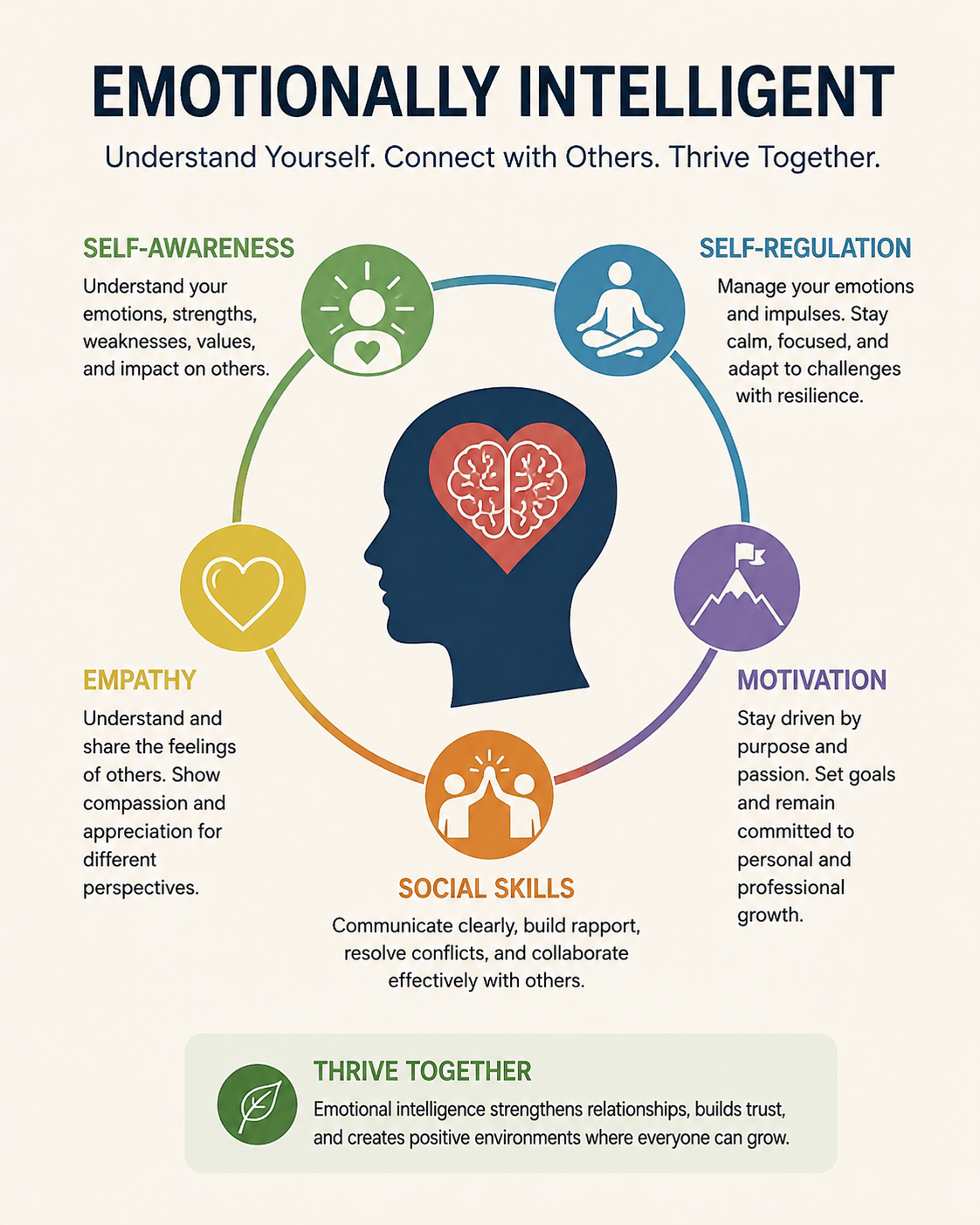

In this comprehensive guide, we will explore the root causes of our discontent, how to navigate the heaviest burdens, and actionable ways to embrace self-improvement and emotional strength.