
I Need Help!
When You Hate Your Life: Steps to Get Support and Feel Better
Feeling overwhelmed by life is more common than you might think. Many people experience moments of despair and negativity.
It's important to acknowledge these feelings without judgment. This is the first step toward healing and finding support.
Understanding why you feel this way can help you regain control. Identifying specific triggers is crucial in this process.
Reaching out for support is a sign of strength, not weakness. Trusted friends, family, or professionals can offer valuable guidance.
Practicing mindfulness and self-compassion can lead to inner peace. These practices help in dealing with negativity and mental health challenges.
Setting small, achievable goals can make life feel more manageable. This approach helps in overcoming life struggles and coping with despair.
Remember, you are not alone in this journey. Support is available, and change is possible with patience and effort.
This guide will provide practical steps to help you feel better. Let's explore how to navigate these challenges together.
Understanding Why You Feel This Way
Understanding your feelings is the first move toward healing. It allows you to unpack the layers of emotions. Without judgment, acknowledge that sometimes life can feel overwhelming.
Several factors contribute to feelings of despair. They may stem from personal experiences, societal pressures, or mental health challenges. Recognizing these sources can provide clarity and a path forward.
It's normal to feel lost when circumstances feel uncontrollable. This understanding can bring some relief. Remember, everyone's journey with emotions is unique.
Identify the aspects of your life causing distress. Are they related to work, relationships, or health? Knowing these helps in tackling issues effectively.
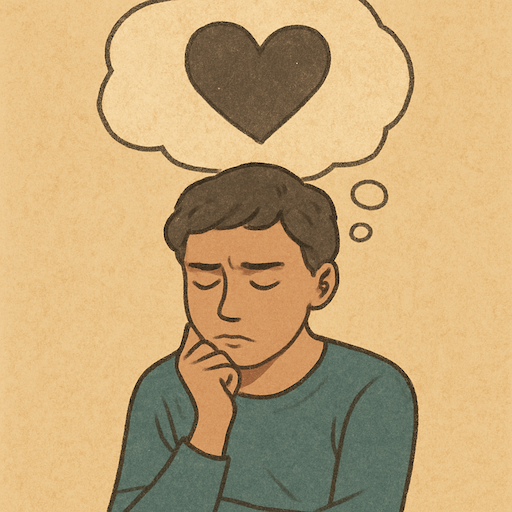
List the common sources of your negative feelings:
Personal setbacks or failures.
Changes in relationships or family dynamics.
Financial or job-related stress.
Social isolation or lack of support.
By defining what's affecting you, you can start addressing these areas. Gaining insight into your emotions is empowering. It prepares you to take practical steps toward improvement.
Taking time to understand your feelings is not indulgent. It's a crucial part of self-discovery and finding inner peace. You're not alone in these struggles; recognizing them is a strength.
Common Triggers and Life Circumstances
Life's complexities can often trigger overwhelming feelings. Understanding these triggers is essential to manage them effectively. By identifying what affects your mood, you can create a plan to cope.
Many triggers stem from everyday situations. They can arise from both personal and external sources. Recognizing these can help in finding the right support.
Some common life circumstances that might contribute to negative feelings include financial stress, work pressures, and relationship issues. Major life changes, like moving or losing a loved one, can also be significant stressors. Everyone's triggers are unique.
Here are some prevalent life circumstances that may lead to feelings of despair:
Persistent financial difficulties.
Uncertainty in job security.
Challenging relationships or conflicts.
Major life transitions or losses.
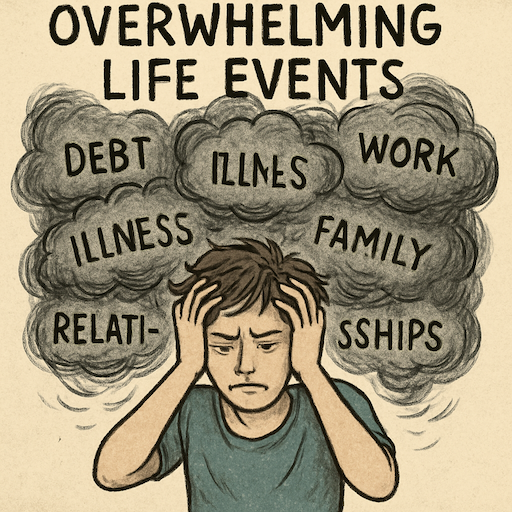
Acknowledging these triggers without blame is vital. It enables you to focus on areas where you can bring positive changes. Taking steps to mitigate these triggers can facilitate a more balanced emotional state. By being aware, you set the stage for improvement and resilience.
The Impact of Negativity and Despair on Mental Health
Negativity can weigh heavily on your mental well-being. Persistent feelings of despair often lead to further mental health challenges. These feelings can distort how you perceive the world and yourself.
Living in a state of constant negativity may increase anxiety and stress levels. Such an environment fosters a toxic mindset, making it challenging to see positivity. It can create a vicious cycle that's hard to break.
Physical symptoms often accompany mental strain. You might notice fatigue, insomnia, or appetite changes. These symptoms can exacerbate the sense of despair, affecting daily functioning.
It's crucial to address negativity to protect mental health. By recognizing its impacts, you can begin working towards healthier thoughts and habits. Taking small steps toward positive change can improve your mental outlook and overall quality of life.
Recognizing When You Need Help
Acknowledging that you need help is vital. It shows strength and a willingness to improve. Many people struggle with this realization.
Signs you need support can vary. Persistent sadness or withdrawal from loved ones may indicate it's time to reach out. An inability to cope with daily tasks might also signal a need for assistance.
Pay attention to significant changes in behavior and mood. These changes can often be subtler than you expect. Keep track of any patterns that arise over time.
Consider these indicators as crucial checkpoints:
Feeling overwhelmed most days.
Losing interest in activities you once loved.
Difficulty concentrating or making decisions.
When you notice these signs, don't hesitate to seek support. Early intervention can lead to better outcomes and a healthier mental state.
First Steps: Acknowledging and Accepting Your Feelings
Emotions are complex, and acknowledging them is the first step toward healing. Accept your feelings without judgment, allowing yourself to experience them fully. This acceptance is crucial for personal growth.
Recognize that your emotions are valid. Everyone goes through challenging periods, and feeling overwhelmed is a part of life. Accepting this can be liberating.
Take time to explore what you're feeling. Use a journal to document your thoughts. This practice can offer insight into your emotional state and reveal underlying issues.
Being mindful of your emotions is empowering. It enables you to approach feelings with empathy and understanding. This step is essential in navigating negativity and finding peace.
Building Your Support Network
A strong support network is invaluable. It provides comfort and guidance during difficult times. Start by identifying people you trust.
Reach out to friends and family who offer nonjudgmental support. Share your feelings with them. Honest conversations can lead to mutual understanding.
Consider joining support groups, both online and in-person. These groups connect you with others facing similar challenges. They offer a sense of belonging and community.
In your support network, include professionals like therapists or counselors. Their expertise can provide targeted assistance and coping strategies.
Here's how to start building your network:
Identify and reach out to trusted individuals.
Seek professional guidance when needed.
Join community or online support groups.
Choosing the right support network can significantly impact your journey toward healing.

Practical Strategies for Coping With Despair
Coping with despair requires proactive strategies. Begin by acknowledging your feelings without judgment. Acceptance is the first step toward healing.
Engage in activities that uplift your mood. Physical exercise is a great tool; it releases endorphins that naturally elevate your spirits. Try walking, yoga, or dancing.
Establish a daily routine for structure and predictability. This helps cultivate a sense of stability. It can reduce feelings of chaos and anxiety.
Mindfulness and meditation practice can aid in managing overwhelming thoughts. These methods improve focus and promote relaxation, contributing to mental clarity.
Additionally, consider creative outlets like writing, painting, or music. Such activities offer expression and can alleviate emotional burden.
A list of practical strategies includes:
Acknowledge feelings with compassion
Engage in uplifting physical activities
Establish and follow a daily routine
Practice mindfulness and meditation
Explore creative outlets for self-expression
Implementing these strategies can significantly ease feelings of despair.

Finding Inner Peace: Mindfulness and Self-Compassion
Finding inner peace involves embracing mindfulness and self-compassion. These practices help you connect with the present moment without harsh judgment.
Mindfulness encourages you to observe thoughts and feelings with patience. This awareness can prevent negativity from taking over and allows more thoughtful responses.
Practicing self-compassion involves being kind to yourself. Rather than criticizing, treat yourself as you would a dear friend in difficult times.
Incorporate these techniques into your routine:
Set aside time daily for quiet reflection
Use guided meditations available online
Maintain a journal to process emotions compassionately
Engage in breathing exercises for calmness

By cultivating mindfulness and self-compassion, you nurture a supportive mental environment. This enhances resilience and fosters genuine peace. With time and dedication, these practices can transform negative thought patterns into positive and empowering narratives.
Overcoming Life Struggles: Setting Small, Achievable Goals
When life feels overwhelming, setting small goals can lead to big changes. These manageable steps help restore a sense of control.
Start by identifying specific areas where change is needed. Break larger goals into smaller, achievable tasks. This simplifies the process and makes progress visible.
Focus on completing one task at a time to build confidence. Celebrate each achievement, no matter how minor it seems. This positive reinforcement encourages further action.
Consider these steps to create actionable goals:
List key life areas needing change
Break big goals into smaller tasks
Prioritize tasks based on importance and feasibility
Track progress and adjust goals if needed
By working towards these small, achievable goals, you can overcome life struggles more effectively. This approach builds momentum, gradually paving the way for meaningful change in your life journey.
Dealing With Negativity: Challenging Harmful Thoughts
Negativity often begins in our thoughts. Identifying and challenging these harmful thoughts is crucial for mental well-being.
Our minds tend to dwell on negative experiences. This can distort reality and fuel despair. Instead, recognize these thoughts as temporary and not an absolute truth.
Question the validity of negative thoughts. Ask yourself if there's evidence to support them. Counter them with positive affirmations.
Try these strategies to manage negativity:
Recognize when a thought pattern becomes negative
Reevaluate the evidence for your thoughts
Substitute negative thoughts with rational, positive ones
Regularly practice positive affirmations
By questioning and replacing harmful thoughts, you create space for positivity. This mental shift lightens emotional burdens and improves your overall outlook.
The Role of Routine, Self-Care, and Healthy Habits
In times of despair, routines provide comfort and stability. Establishing daily routines offers predictability and structure. They help manage chaos and reduce anxiety.
Self-care is essential for maintaining mental well-being. It involves deliberate actions that nurture your body and mind. Prioritize rest, nutrition, and relaxation in your routine.
Healthy habits, such as regular exercise, strengthen resilience. Physical activity releases endorphins, which help elevate mood and reduce stress. Staying active contributes to a healthier lifestyle.
Consider incorporating these habits into your daily life:
Set a consistent sleep schedule
Eat balanced meals throughout the day
Exercise regularly, even if it's a short walk
Dedicate time for hobbies and relaxation

By prioritizing routine, self-care, and healthy habits, you create a supportive environment for healing and growth. These practices cultivate a sense of balance and well-being.
When and How to Seek Professional Support
Recognizing when professional support is needed can be challenging. You might feel overwhelmed or stuck despite trying various coping strategies. This is a crucial time to consider reaching out for help.
Mental health professionals offer guidance tailored to your needs. They provide a safe space to explore your feelings without judgment. Therapy can help uncover underlying issues and teach coping mechanisms.
If you're hesitant, start by researching available options. Determine what type of support might best suit you:
Individual therapy with a licensed counselor
Group therapy for shared experiences
Consultations with a psychiatrist for medication options
Online therapy for convenience and flexibility
Remember, seeking help is a sign of strength, not weakness. It demonstrates a commitment to your well-being. Taking this step can initiate significant, positive change in your life journey.
Frequently Asked Questions
What should I do if I feel overwhelmed?
Start by taking slow, deep breaths. Identify one simple task you can complete to reduce immediate pressure.
How do I know if therapy is right for me?
Therapy can benefit anyone feeling stuck or struggling. Consider an initial consultation to see if it suits your needs.
Are there affordable therapy options?
Yes, many therapists offer sliding scale fees. Online platforms also provide cost-effective alternatives.
How can I find a support group?
Search online or ask local health centers for recommendations. Many groups now meet virtually for convenience.
What if I don't feel comfortable seeking help?
That's common. Start with self-help books or online resources to ease into the idea of professional support.
Key Takeaways and Encouragement for Moving Forward
Understanding and accepting your feelings is the first vital step. It's important to remember that asking for help is an act of courage. Embrace every small victory, as change unfolds in gradual steps.
Focus on what's within your control to reduce anxiety. Setting small goals can foster a sense of accomplishment. Remember, inner peace often stems from your mindset, not external circumstances.
Constructive thinking and support systems can fuel personal growth. Practice self-compassion and forgive past mistakes. Sometimes the act of forgiving is essential to release emotional burdens.
Here are some essential points to keep in mind:
Acknowledge how you feel without judgment.
Prioritize mindfulness and self-care.
Seek and embrace support from trusted people.
Challenge negative thoughts with positive affirmations.
Strive for continuous self-improvement and patience.
Lastly, never underestimate your resilience. You're stronger than you think, and brighter days are ahead.

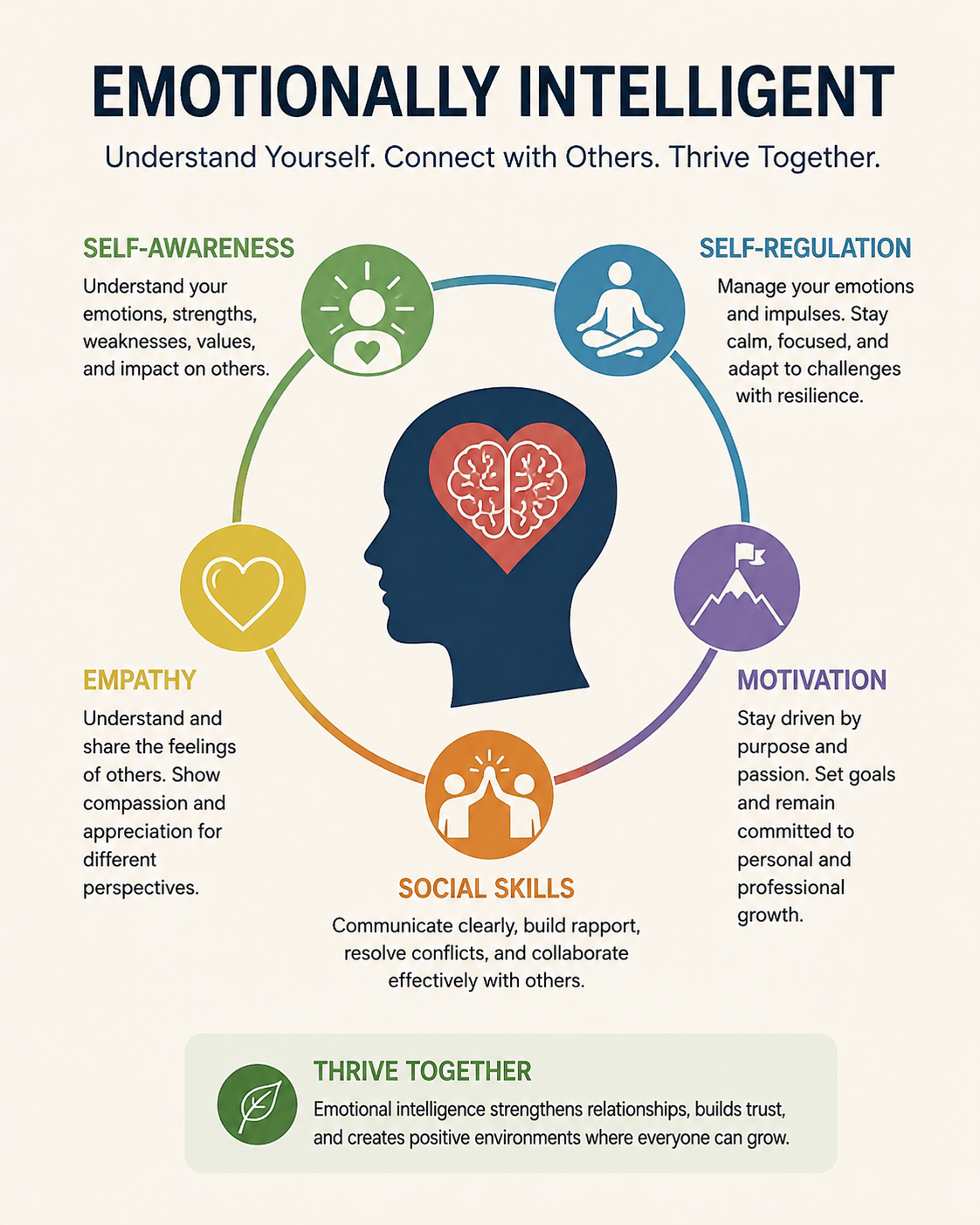

In this comprehensive guide, we will explore the root causes of our discontent, how to navigate the heaviest burdens, and actionable ways to embrace self-improvement and emotional strength.