
Searching For Relationship Counselor
Finding the Right Relationship Counselor Nearby
Searching for a relationship counselor usually happens at a breaking point. You see the "we can fix this ourselves" phase did not work.
Now you stare at a map of red pins.
You wonder who holds the key to your happiness. In practice, most partners feel overwhelmed by this search, fearing the wrong choice might only increase the tension at home.
Fortunately, attempting to find couples counseling doesn't require blind luck. Evaluating relationship professionals means adopting a specific "Search Filter" mindset. Rather than guessing from generic online reviews, you will learn to narrow your choices with confidence. Use three key filters: understand professional licenses, recognize practical treatment methods, and compare realistic costs.
Is It Time for Professional Help? 3 Signs Your Relationship Is Stuck in a 'Loop'
Every couple argues, but noticing the signs you need marriage counseling usually starts when those disagreements become completely predictable. Instead of fixing the issue, you get stuck in a relationship "loop." You have the same exhausting fight again and again, without finding a fix.
These toxic cycles often trigger a need for therapy to address communication issues, showing up in three everyday scenarios:
The Kitchen Table Stalemate: Harmless chats immediately turn into bitter standoffs.
The Roommate Syndrome: You share bills and living space, but zero emotional connection.
The Anticipatory Dread: You feel tense just hearing their car pull into the driveway.
Shifting from reactive damage control to proactive teamwork reveals the true benefits of premarital counseling or early intervention.
Deciphering the Alphabet Soup: Why LMFT vs. LCSW Matters for Your Couples Work
Searching for marriage counselors often means wading through confusing credentials like LCSW or LMFT. While most licensed professionals can legally offer relationship help, their scope of practice shapes how they see your problem. Standard counselors typically focus on the "me," treating individual internal struggles. Conversely, experts with Licensed Marriage and Family Therapist qualifications practice systemic therapy. This means they treat the relationship as the patient, and they look at how your habits, histories, and reactions affect each other.
Your success when you start counseling depends on shifting from fixing the person to fixing the dynamic. Once you find a relationship-first professional, you should know the tools they will use in sessions.
Gottman vs. EFT: Choosing the Right 'Repair Kit' for Your Emotional Connection
Feeling stuck in the same exhausting argument means you need more than a referee. You need a specific "repair kit"—what professionals call a therapeutic modality. While some counselors use integrative behavioral couple therapy to smoothly blend emotional acceptance with concrete behavior changes, two specific methods dominate the field.
The choice usually comes down to Gottman Method vs. Emotionally Focused Therapy (EFT):
Gottman (Skill-based): Best for frequent, escalating conflict. It uses practical exercises like a "Love Map" to map your partner's inner world. It gives you clear steps to improve daily communication.
EFT (Emotion-based): An attachment-based therapy ideal for deep emotional disconnection or rebuilding intimacy after infidelity. It works like an emotional GPS. It reveals hidden fears that cause distance. This helps you feel safe together again.
Decide if you want to focus on building skills or forming an emotional bond. This choice gives you a big head start. It helps you find the right expert. However, securing that perfect match won't help if the sessions break your budget.
The Logistics of Healing: Navigating Insurance, Sliding Scales, and In-Person vs. Online Options
Paying for help shouldn't spark new arguments. Navigating insurance coverage for relationship counseling is tricky, but knowing the right terminology helps. Many policies do not cover standard couples therapy. Ask if your therapist uses “Z-codes.” These are billing codes for life issues, like relationship stress. They may help your sessions get covered.
When insurance falls short, you still have affordable therapy options. Call the clinic and ask for their "sliding scale" rate. This means the counselor lowers their hourly fee based on your household income. This option can be a lifesaver on a tight budget.
Next, decide how you prefer to connect. Opting for in-person counseling makes sense if you need a neutral space away from home. Telehealth offers unmatched convenience for busy, conflicting schedules.
Mastering the 'Vibe Check': 4 Critical Questions to Ask During Your First Consultation
Scrolling past online lists of top-rated marriage counselors won’t reveal a professional's true vibe. Knowing how to choose a couples therapist often depends on the “therapeutic alliance.”
It is the shared sense of safety and teamwork you feel in the room. Good counselors also maintain strict neutrality, meaning they never play referee or pick sides when you argue about chores.
Protect your peace and spot red flags with these four key questions.
Ask them during your brief consultation with a potential counselor
What is your success rate with our specific issue?
How do you handle secrets?
How many couples do you see weekly?
What is your specific modality?
Your First 60 Minutes and Beyond: A 30-Day Roadmap for Relationship Repair
Now that you know how to confidently find the right couples therapist, it's time to act. When wondering what to expect in the first counseling session, remember it is an "intake" meeting. The therapist will gather your relationship history, not provide an instant magic fix.
Commit to a 30-day check-in to evaluate your progress together. Success early on isn't a flawless partnership; it is feeling increased emotional safety and reduced tension at home. Reaching out for professional help can feel intimidating, but take that brave first step today. Give your relationship the tools it needs to heal.

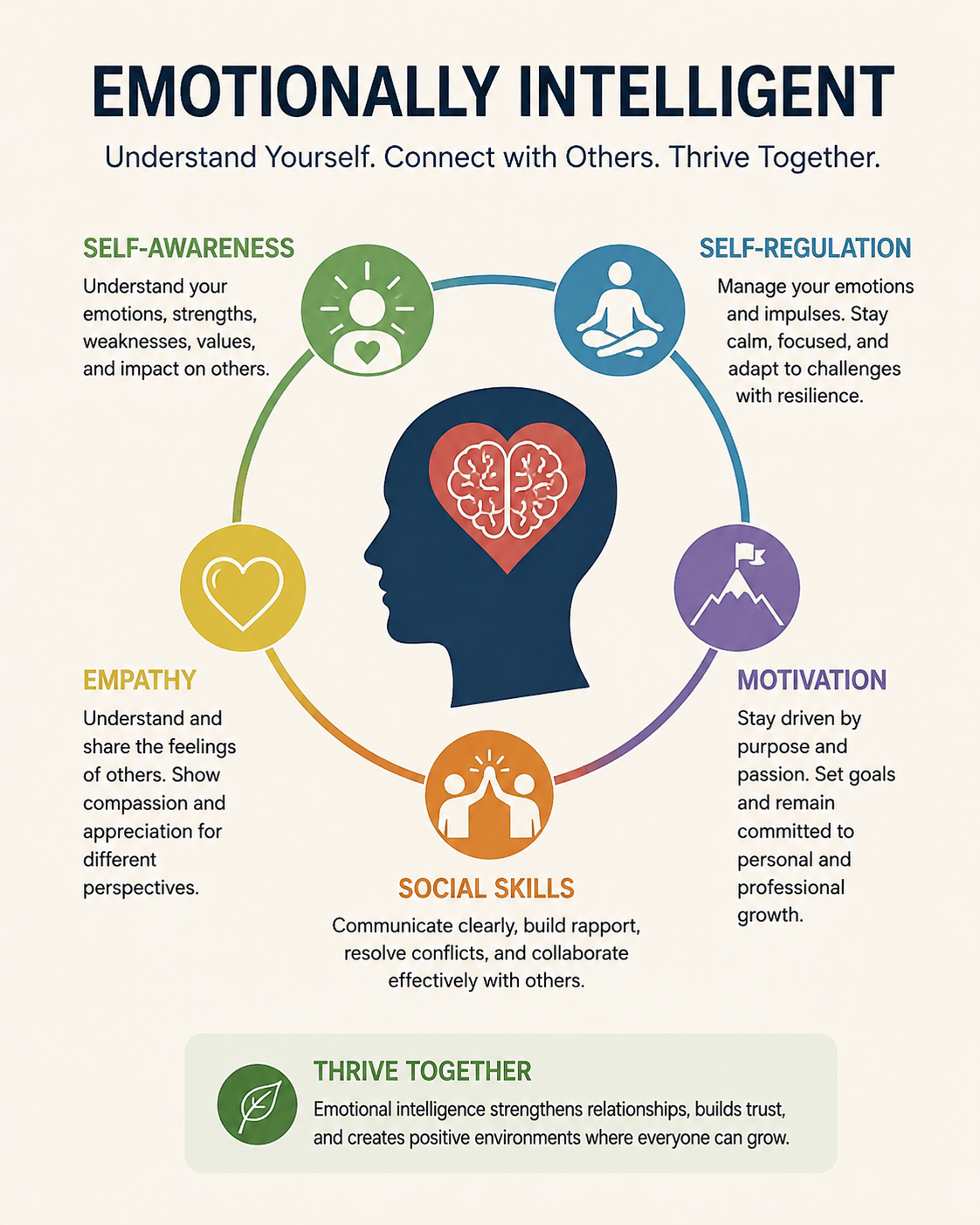
In this comprehensive guide, we will explore the root causes of our discontent, how to navigate the heaviest burdens, and actionable ways to embrace self-improvement and emotional strength.