Zoloft For Anxiety
zoloft for general anxiety disorder
Zoloft is a popular medication for treating General Anxiety Disorder (GAD). It belongs to a class of drugs known as SSRIs. These medications work by increasing serotonin levels in the brain. This can help improve mood and reduce anxiety symptoms.
Many people find Zoloft effective for both anxiety and depression. It is often prescribed due to its proven benefits. However, like all medications, it comes with potential side effects. Understanding these can help manage expectations and improve treatment outcomes.
Choosing the right time to take Zoloft can also impact its effectiveness. Some prefer mornings to avoid insomnia, while others take it at night. This flexibility allows for personalized treatment plans.
What Is Zoloft and How Does It Work for Anxiety?
Zoloft, known generically as sertraline, is commonly prescribed for anxiety. It is classified as a selective serotonin reuptake inhibitor (SSRI). SSRIs work by increasing serotonin levels in the brain. This chemical is crucial for mood regulation.
Higher serotonin levels can lead to improved mood and reduced anxiety. This makes Zoloft effective for those with General Anxiety Disorder (GAD). It's often chosen due to its established safety and efficacy profile.
Zoloft primarily targets anxiety symptoms but can also aid depression relief. It provides a dual benefit by addressing both conditions simultaneously. However, its effects might take a few weeks to become noticeable.
Key Actions of Zoloft:
Increases serotonin levels
Improves mood
Reduces anxiety symptoms
Aids in managing depression
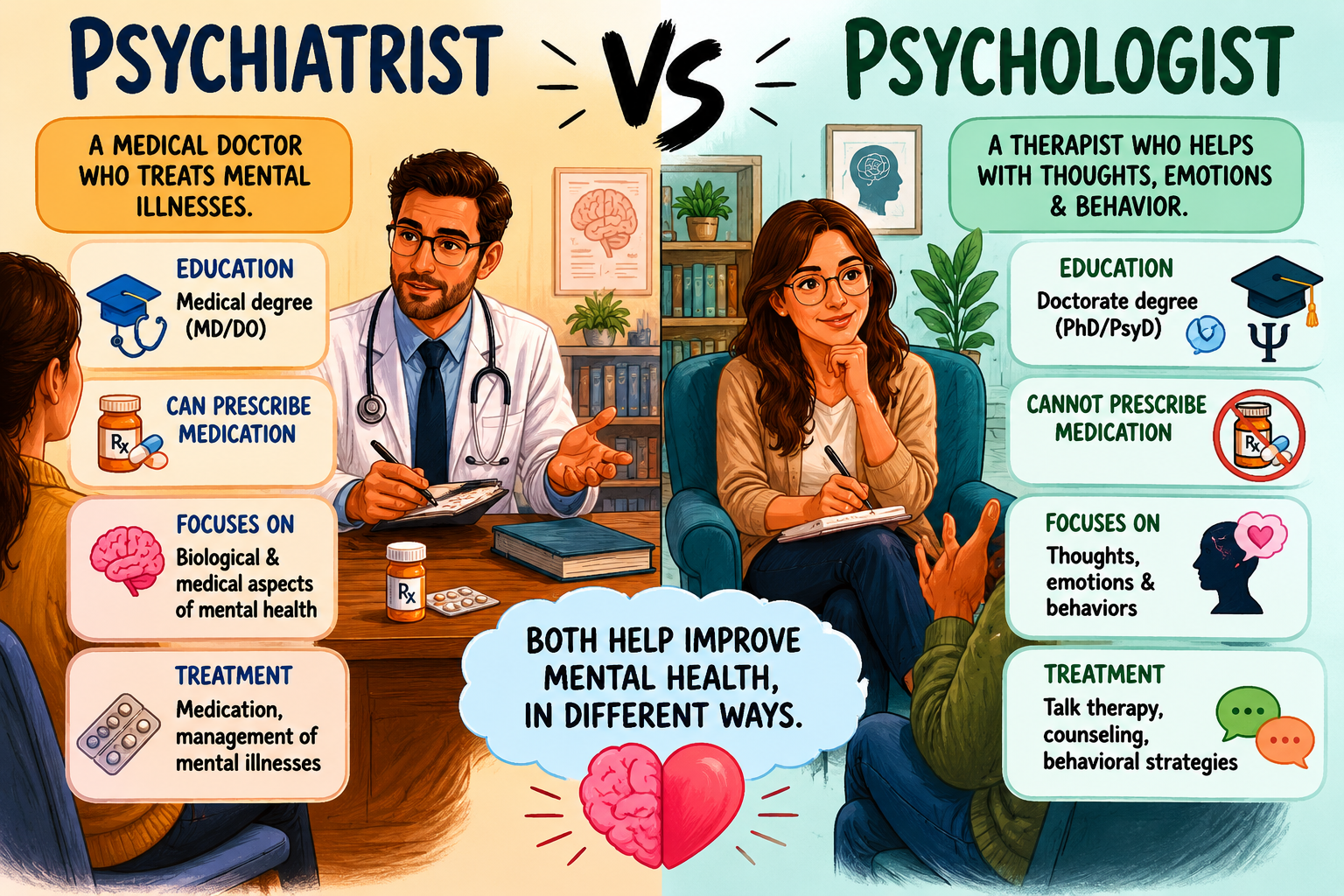
Before starting Zoloft, a thorough evaluation by a healthcare provider is essential. This helps ensure the treatment is tailored to individual needs and health conditions.
Zoloft Effectiveness for General Anxiety Disorder
Zoloft is widely recognized for its effectiveness in treating General Anxiety Disorder (GAD). Many patients experience significant anxiety relief after starting the medication. This is particularly true after the initial adjustment period.
Most people begin to notice improvements within four to six weeks. Some individuals may see positive changes even sooner. During this time, the body adjusts to the medication, and symptoms gradually lessen.
Numerous studies support Zoloft's success in managing GAD. It's considered an effective treatment by healthcare professionals. User feedback often highlights considerable reduction in anxiety levels.
Factors Influencing Effectiveness:
Individual response varies
Consistent medication intake
Lifestyle changes such as exercise
Combination with therapy
Regular follow-up appointments with a doctor are crucial. They help monitor the medication's impact and make any necessary adjustments. This ensures that patients receive the full benefit of Zoloft while minimizing potential side effects.
Zoloft Benefits: Why It’s Often Prescribed
Zoloft offers numerous benefits for individuals with anxiety. It not only reduces anxiety symptoms but also enhances overall mood. This can lead to a better quality of life.
The medication is known for its dual-action capability. Besides managing anxiety, it can effectively treat depression. These dual benefits make Zoloft a suitable option for those with both conditions.
Key Benefits of Zoloft:
Alleviates anxiety symptoms
Improves mood stability
Decreases the frequency of anxiety attacks
These advantages highlight why healthcare providers frequently prescribe Zoloft. Patients often find their daily functioning improves significantly. Such improvements can lead to a sense of normalcy and better engagement in life’s activities.
Best Time of Day to Take Zoloft for Anxiety
Finding the best time to take Zoloft varies for each person. It often depends on how the body reacts to the medication. Some individuals prefer taking it in the morning to avoid insomnia at night.
Others may take Zoloft at night to reduce daytime drowsiness. This strategy can help balance the side effects with daily activities. Paying attention to your body's response is key to deciding when to take Zoloft.
Considerations for Timing:
Morning: May prevent insomnia
Night: Can reduce daytime drowsiness
Consistency: Take it at the same time daily
Consulting with a healthcare provider about timing can provide personalized insights. This ensures that the medication works effectively without disrupting daily life.
Zoloft Dosage and How to Take It Safely
Starting Zoloft requires a thoughtful approach to dosage. Doctors typically begin with a low dose to minimize side effects. This allows the body to adjust gradually to the medication.
Dosages can vary based on individual needs and response. Your healthcare provider may adjust the dosage over time. It's crucial to follow their directions closely for the best results.
Never alter the dose without consulting your doctor first. Even if you feel better, continue taking the prescribed amount. Stopping abruptly can lead to withdrawal symptoms.
Safe Dosage Practices:
Follow doctor's instructions
Start with a low dose
Avoid sudden changes
Consistent communication with your healthcare provider ensures safe and effective use of Zoloft. Always discuss any concerns or side effects experienced during treatment.
Zoloft Side Effects: What to Expect
When starting Zoloft, it's important to be aware of potential side effects. While many people tolerate the medication well, some experience mild issues.
Common side effects can include nausea and sleep issues. Occasionally, patients report experiencing headaches or dry mouth. These symptoms often diminish as the body adapts.
Sexual dysfunction and drowsiness are also possible, though less common. If any side effect becomes severe or persistent, contact your doctor.
Rarely, more serious side effects may occur. It's crucial to be informed and vigilant.
Potential Side Effects:
Nausea
Insomnia
Headaches
Sexual dysfunction
Drowsiness
Understanding potential side effects helps manage them effectively. Open communication with healthcare providers is key to maintaining treatment success and comfort.
Zoloft Withdrawal Symptoms and How to Manage Them
Stopping Zoloft abruptly can lead to withdrawal symptoms. These might include dizziness, irritability, or flu-like feelings. It's best to taper off under medical supervision.
Gradual dose reduction helps minimize withdrawal effects. A healthcare provider can create a tapering schedule. This ensures a smoother transition and reduces discomfort.
Communicating openly with your doctor is vital. They can adjust the plan based on your response.
Common Withdrawal Symptoms:
Dizziness
Irritability
Fatigue
Headaches
Managing these symptoms effectively requires a collaborative approach. Regular follow-ups aid in adjusting treatment safely. Don't hesitate to share concerns with your healthcare team.
Zoloft and Depression: Dual Benefits
Zoloft is effective for both anxiety and depression, offering dual benefits. It works by boosting serotonin levels, improving mood and reducing anxiety simultaneously. This dual action makes it a popular choice.
For many, Zoloft addresses various symptoms, contributing to overall well-being. It's important to monitor any changes and keep your healthcare provider informed.
Benefits for Depression:
Improved mood
Reduced feelings of hopelessness
Enhanced energy levels
Discussing your progress regularly with your doctor helps ensure that Zoloft is meeting your needs effectively.
Zoloft vs Lexapro for Anxiety: A Comparison
Zoloft and Lexapro are both SSRIs often prescribed for anxiety. They work by increasing serotonin levels in the brain. While they share similarities, some differences impact treatment choices.
Patients may react differently to each medication, with varying levels of effectiveness and side effects. This means personal experience plays a crucial role in choosing between the two.
Zoloft is often chosen for both anxiety and depression due to its dual benefits. Lexapro, however, is sometimes preferred for its faster onset in reducing anxiety symptoms.
Key Differences:
Efficacy: Individual responses vary.
Side effects: Differ in type and intensity.
Onset: Lexapro may act quicker for some users.
The decision between Zoloft and Lexapro should be guided by personal health history and medical advice. Consulting with a healthcare provider ensures a tailored approach to your specific needs.
Zoloft Reviews: What Do Patients Say?
Patients' experiences with Zoloft vary, highlighting different outcomes and viewpoints. Many report significant improvements in managing anxiety symptoms. They appreciate the way Zoloft enhances mood and overall well-being.
However, there are mixed feelings about its side effects. Some patients mention experiencing nausea and insomnia. Yet, these are often manageable and diminish over time.
Patient Feedback Highlights:
Improvement in anxiety: Many find relief from anxiety symptoms.
Side effects: Common but manageable.
Overall satisfaction: Generally positive reviews.
Consulting healthcare professionals helps navigate these experiences. Patient insights can be useful, but individual reactions remain unique.
Tips for Maximizing Zoloft’s Effectiveness
Optimizing Zoloft's effectiveness involves integrating specific lifestyle habits. Regular communication with your healthcare provider is crucial to ensure the medication works well.
Incorporate these practices to enhance results:
Consistent schedule: Take Zoloft at the same time each day.
Healthy habits: Engage in regular exercise and maintain a balanced diet.
Stress management: Practice mindfulness or relaxation techniques.
Combining these strategies with your prescribed regimen can lead to better outcomes. Moreover, avoid alcohol as it can hinder Zoloft's effectiveness. Routine adjustments and monitoring help sustain the medication’s benefits.
When to Contact Your Doctor
It's vital to know when to reach out for medical advice. Some situations require prompt attention from your doctor.
Be sure to contact your doctor if you notice:
Severe side effects, such as suicidal thoughts or depression.
Symptoms of serotonin syndrome, like rapid heart rate or agitation.
New or worsening anxiety symptoms.
Conclusion: Is Zoloft Right for You?
Choosing the right anxiety medication is a personal decision. Zoloft has helped many manage General Anxiety Disorder effectively. It's important to weigh its benefits against potential side effects.
Consulting with a healthcare provider is crucial. They can assess your medical history and discuss your symptoms in detail. This conversation can guide you toward the best choice for your needs.
Remember, your mental health journey is unique. Zoloft might be the right option, but a professional opinion ensures safe and effective treatment.